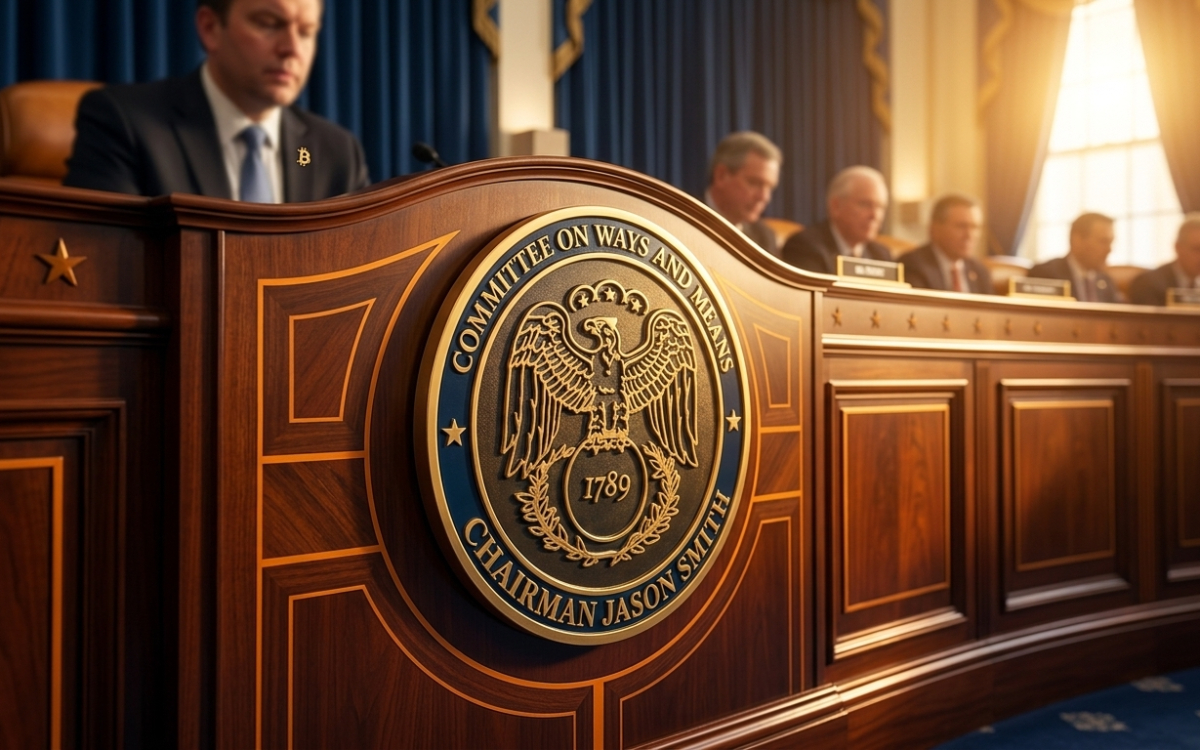
The United States Senate failed to advance the Digital Asset Market Clarity Act on September 15, dealing a major setback to efforts to establish a comprehensive federal framework for crypto markets.
The cloture motion passed 49-50, falling short of the 60 votes required to move the bill to formal Senate consideration. The official Senate record shows the motion to proceed to H.R. 3633 was rejected at 2:19 p.m. ET.
Bitcoin fell below $76,000 around the vote, while Ethereum, XRP and Solana also moved sharply lower. Bitcoin dropped as much as 4.3% from earlier levels near $78,250, while XRP fell more than 10% during the session.
The failed vote does not formally kill the legislation, but it makes passage before the November midterm elections much harder.
Senate Falls 11 Votes Short of Advancing CLARITY Act
The September 15 vote was not a final vote on whether the CLARITY Act should become law.
It was a cloture vote on the motion to proceed, meaning senators were deciding whether to move the legislation toward formal floor debate.
Under Senate rules, 60 votes were required. The final tally was 49-50, with one senator not voting.
| Senate Vote | Result |
| Votes in favor | 49 |
| Votes against | 50 |
| Not voting | 1 |
| Votes required | 60 |
| Shortfall | 11 votes |
Table 1. September 15 CLARITY Act Cloture Vote
The result did not reach the threshold needed to begin consideration of the bill in its current form.
Republicans Susan Collins, Josh Hawley, and Jerry Moran joined Democrats in opposing the motion. Senator Thom Tillis initially supported cloture before changing his vote to no.
Ethics Rules Remained the Main Sticking Point
The biggest unresolved dispute involved ethics provisions covering crypto interests held by senior government officials.
Republicans had revised the legislation shortly before the vote after President Donald Trump agreed to much of a bipartisan ethics proposal negotiated by Republican Senator Thom Tillis and Democratic Senator Ruben Gallego.
The revised framework included stronger restrictions on significant crypto-related financial interests and gave state attorneys general additional enforcement powers.
Those concessions were not enough to secure the Democratic votes needed for cloture.
Democratic negotiators argued that the legislation still did not go far enough on divestment and conflicts of interest involving federal officials.
Gallego said negotiations had been making progress before Republican leaders moved ahead with the vote.
Republican sponsors disputed that characterization, saying the latest draft already reflected extensive bipartisan negotiations.
The disagreement therefore was not over whether ethics provisions should exist, but over how far those restrictions should go and how they should be enforced.
Stablecoin Yield and DeFi Rules Also Complicated Negotiations
Lawmakers also negotiated rules governing stablecoin rewards and decentralized finance (DeFi).
Banks have argued that allowing crypto platforms to pay interest-like rewards on stablecoins could pull deposits away from traditional financial institutions.
Crypto companies have pushed back against restrictions they argue could limit legitimate rewards tied to transactions or other platform activity.
DeFi provisions created another point of disagreement, particularly around liability and compliance requirements for software developers and decentralized protocols.
What the CLARITY Act Would Have Changed
The CLARITY Act would create a federal market structure framework for digital assets.
One of its central goals is to clarify how responsibility is divided between the Securities and Exchange Commission (SEC) and the Commodity Futures Trading Commission (CFTC).
The bill would create rules for digital commodities, trading platforms, registration, and other parts of the crypto market while attempting to define when an asset falls under securities law versus commodities regulation.
The House passed H.R. 3633 in July 2025 by a vote of 294-134. The Senate later developed its own version through committee negotiations before bringing the cloture motion to the floor.
Bitcoin Fell Before and After the Vote
Crypto markets were already weakening before the Senate result became official.
Bitcoin fell below $77,000 earlier on September 15 as confidence in the bill’s passage declined. Prediction-market odds had also dropped as lawmakers remained divided over the final language.
After the procedural vote failed, Bitcoin traded as low as roughly $74,967, down about 4.3% from an earlier level near $78,250.
Ethereum fell more than 5% to around $2,397, while XRP dropped about 10.3%. Solana declined more than 4%.
However, the selloff should not be attributed to the CLARITY Act alone, as markets were also preparing for the September 16 Federal Open Market Committee (FOMC) decision, with interest-rate expectations and Treasury yields creating additional pressure on risk assets.
Why the Market Reaction Matters
The failed vote removes one near-term path toward clearer US crypto market structure rules.
Bitcoin itself already trades through regulated spot exchange-traded funds (ETFs) and has a more established regulatory treatment than many smaller tokens.
The bigger unresolved issue is how US law treats crypto trading platforms, token issuers, DeFi protocols, and assets that sit between traditional securities and commodities categories.
The CLARITY Act was intended to reduce that ambiguity by assigning clearer roles to the SEC and CFTC.
Without legislation, much of that framework still depends on existing statutes, agency rulemaking, and regulatory interpretation.
The Vote Does Not Necessarily End the Bill
Although the vote failed, a procedural route to reconsideration remains.
Tillis changed his vote to no after initially supporting cloture, allowing him to enter a motion to reconsider.
However, the Senate is expected to have limited legislative days before lawmakers turn their attention to the November midterm elections, reducing the likelihood of completing a major crypto market structure bill during the current Congress.
Any renewed vote would likely require another round of negotiations over ethics, stablecoin yield and DeFi provisions before sponsors could realistically reach the 60-vote threshold.
What Comes Next
The immediate question is whether Senate leaders attempt to revive the CLARITY Act before Congress leaves Washington ahead of the midterm elections.
A motion to reconsider remains possible, but the vote showed that the current coalition is well short of the 60 senators needed to advance the legislation. Republican sponsors would need to resolve their own defections and win support from several Democrats.
The failure also shifts more attention toward federal regulators. Without new legislation, the SEC, CFTC, Treasury, and other agencies will continue shaping crypto policy under existing law.
For crypto markets, the legislative setback now overlaps with another major catalyst, which is the September 16 FOMC decision.
What this means for you: The CLARITY Act did not fail a final passage vote. It failed at the procedural stage, which means the Senate never moved into full consideration of the bill. The legislation can technically return, but the result shows lawmakers remain far from the bipartisan coalition needed to advance a comprehensive US crypto market structure framework.