

Key Takeaways
- Warren Buffett, Jamie Dimon and other influential investors dismissed Bitcoin, but its market survived multiple crashes and gained institutional adoption.
- Bitcoin’s critics often questioned its intrinsic value, price stability, environmental impact and ability to operate outside traditional financial systems.
- By October 2026, Bitcoin had gained regulated investment products and government recognition, although several criticisms and long-term predictions remain unresolved.
Bitcoin has spent more than fifteen years proving people wrong, including some of the world’s most successful investors, economists and tech billionaires.
Warren Buffett called it rat poison, Jamie Dimon dismissed it as fraud, and Bill Gates questioned why anyone would buy something that produces nothing. Others went further, predicting that governments would eventually destroy Bitcoin or that its value would collapse to zero.
Yet Bitcoin survived multiple market crashes, reached a market cap above $2 trillion, gained approval for US spot exchange-traded products (ETPs), and eventually became part of the US government’s strategic reserve policy.
Not every criticism was wrong. Bitcoin remains volatile, consumes substantial electricity and produces no corporate earnings or dividends. Some predictions, including those with future deadlines, cannot yet be judged.
What these critics underestimated was Bitcoin’s ability to develop a global market and attract users despite those limitations.
The Pattern Behind Skepticism of Bitcoin from the Elites
Bitcoin skepticism did not come from one industry. It emerged across banking, economics, technology and traditional investing.
Despite their different backgrounds, many prominent critics shared the same assumption, which is that Bitcoin is an asset without government backing, corporate cash flow or a physical form that could not maintain substantial value over time.
Why TradFi Investors Misread Decentralized Money
Traditional investors generally value assets using familiar financial characteristics.
Stocks represent ownership in businesses that can generate earnings. Bonds provide contractual payments. Real estate can produce rent, while commodities such as gold have industrial or physical uses.
However, Bitcoin does not fit neatly into those categories. It has no company behind it, does not distribute dividends and cannot be valued through discounted corporate cash flows.
Instead, its market value depends on factors such as scarcity, network security, liquidity, adoption and investors’ willingness to hold an asset outside the conventional financial system.
That creates two competing interpretations. Critics see an unproductive asset whose price depends heavily on future demand. On the other hand, supporters see a scarce digital asset that can transfer and store value without relying on a central issuer.
Bitcoin’s subsequent adoption challenged claims that such a market could not survive. It did not establish that every Bitcoin valuation is justified.
Bitcoin Obituaries From 2010 to 2026
Predictions about Bitcoin’s demise appeared almost immediately after its creation.
In December 2010, an early published critique argued that Bitcoin could not function as a currency. Similar declarations followed during major market downturns, particularly in 2013, 2018 and 2022.
The 99Bitcoins obituary archive tracks hundreds of published claims about Bitcoin’s failure, including predictions tied to crashes, regulatory pressure and technical limitations.
However, calling Bitcoin a bubble during a period of excessive speculation is not necessarily the same as predicting its permanent disappearance.
Several critics correctly identified unsustainable rallies and serious problems within the crypto industry. Their broader conclusions became questionable when Bitcoin recovered and continued operating through subsequent cycles.
The Wall Street and TradFi Doubters
Some of Bitcoin’s most recognizable critics came from traditional finance (TradFi), where valuations are commonly based on cash flow, profitability and established regulatory structures.
Former CEO of Berkshire Hathaway – Warren Buffett
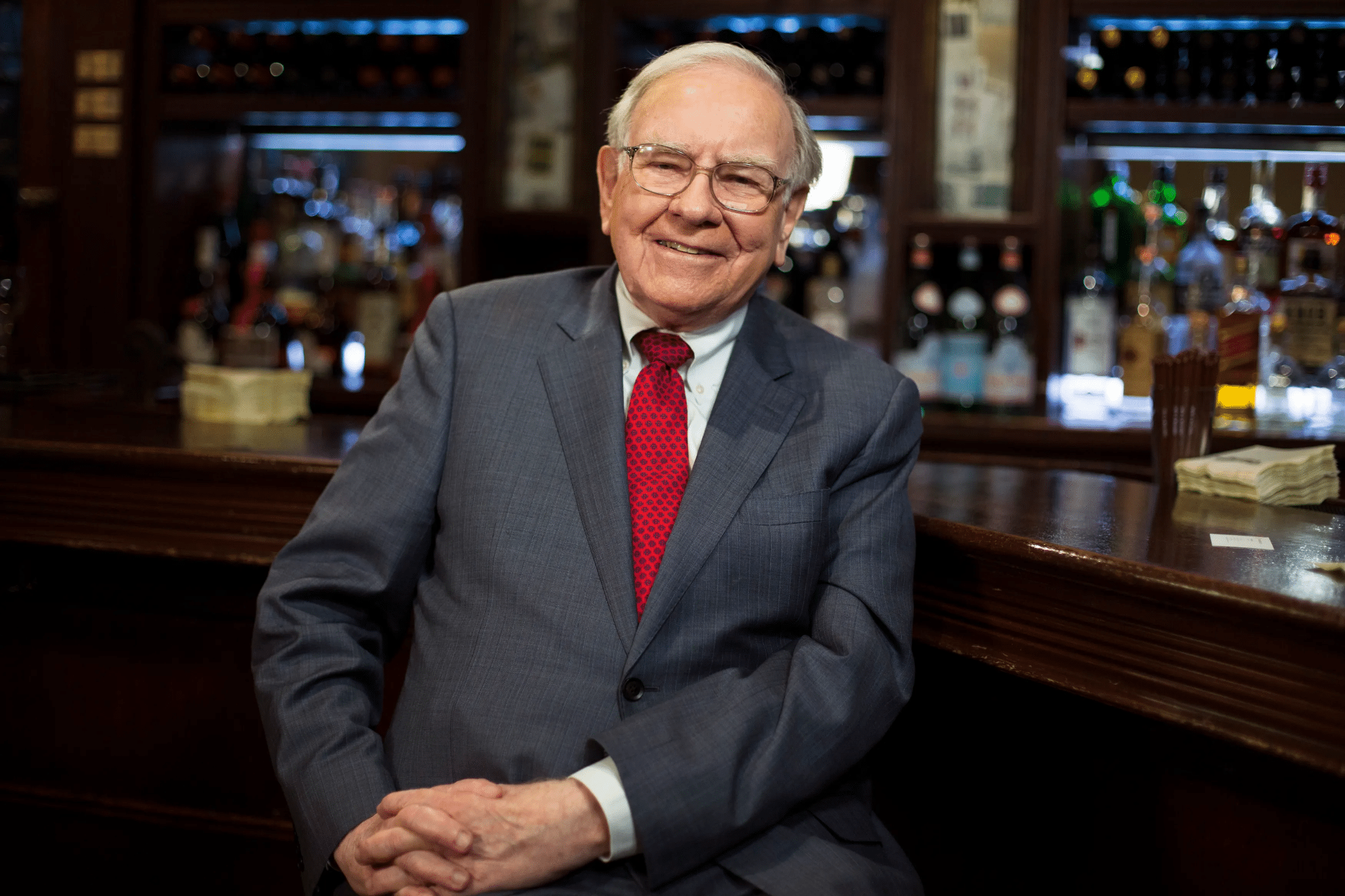
During Berkshire Hathaway’s May 2018 annual meeting weekend, Buffett described Bitcoin as “probably rat poison squared.”
Bitcoin was trading around $9,000 at the time, well below $10,000.
Buffett’s criticism centered on the difference between productive and nonproductive assets.
A business can create products, generate profits and distribute cash to shareholders. But Bitcoin does none of those things.
In his view, someone purchasing Bitcoin mainly expects another investor to pay more for it later. He has repeatedly compared that behavior to speculation rather than conventional investing.
Bitcoin later reached prices more than ten times its May 2018 level and became accessible through regulated US investment products.
The Securities and Exchange Commission (SEC) approved spot Bitcoin ETP listings in January 2024, allowing investors to obtain exposure through traditional brokerage accounts. That expansion challenged the idea that Bitcoin would remain a passing speculative niche.
However, Bitcoin’s price appreciation does not disprove Buffett’s cash-flow argument. Bitcoin still produces no business earnings, and its valuation remains fundamentally different from Berkshire Hathaway’s.
The mistake was underestimating how much demand a nonproductive monetary asset could attract over time.
Former Vice Chairman of Berkshire Hathaway – Charlie Munger

In May 2021, Berkshire Hathaway vice chairman Charlie Munger denounced Bitcoin’s success, describing the cryptocurrency’s development as “disgusting and contrary to the interest of civilization.”
He made the remarks during Berkshire’s annual shareholder meeting.
Munger viewed cryptocurrencies as vehicles for speculation and questionable financial behavior.
His concerns included criminal activity, excessive risk-taking and competition with government-issued currencies.
Unlike critics who focused mainly on Bitcoin’s price, Munger also objected to what he believed the industry encouraged people to do.
However, blockchain transaction records provided researchers with a way to measure and investigate illicit cryptocurrency activity.
According to Chainalysis, illicit addresses received at least $154 billion in crypto during 2025. Despite the large dollar amount, identified illicit transactions represented less than 1% of attributed crypto transaction volume, undermining the claim that crypto activity is predominantly criminal.
It does not establish that crypto crime is insignificant. Identified illicit activity can be revised upward, and blockchain investigations do not capture every criminal transaction.
Munger’s moral objection remains a matter of judgment, but Bitcoin has developed substantial legitimate uses alongside the risks he identified.
CEO of JPMorgan Chase – Jamie Dimon

In September 2017, JPMorgan Chase CEO Jamie Dimon called Bitcoin “a fraud.”
He also said he would fire bank traders who dealt in Bitcoin, arguing the cryptocurrency would eventually collapse. BTC was trading above $4,000 then.
Dimon questioned the sustainability of a privately created digital currency operating outside traditional banking.
He viewed Bitcoin as speculative and linked some of its demand to criminal activity.
But behind the scenes, JPMorgan later developed blockchain-based financial infrastructure, including Onyx and subsequent digital asset initiatives.
The more direct reversal came through client services. In May 2025, Dimon said JPMorgan would let clients buy Bitcoin, though the bank would not directly custody the asset under the arrangement he described.
The bank also explored lending against crypto-related holdings.
Dimon remained personally skeptical, but JPMorgan could no longer ignore customer demand for an asset its CEO had previously dismissed.
That difference between personal opinion and institutional business strategy is what makes his story particularly notable.
The Economists and Academics
Academic critics often focused on Bitcoin’s monetary properties, valuation and ability to function as a stable medium of exchange.
Their arguments raised important economic questions, although some conclusions failed to account for Bitcoin’s changing uses.
Gold Bug – Peter Schiff

Economist and gold advocate Peter Schiff has argued for more than a decade that Bitcoin lacks intrinsic value and is inferior to physical gold.
He has repeatedly warned that speculative demand could disappear and leave investors with substantial losses.
Schiff’s argument is based on gold’s history as money, its physical properties and its industrial applications.
He believes Bitcoin’s digital scarcity is insufficient to establish durable value.
In a February 2025 discussion, Schiff again argued that Bitcoin was not genuine digital money and suggested that tokenized gold could be transferred electronically instead.
After that, Bitcoin expanded from a relatively small market into a globally traded asset with a multitrillion-dollar valuation at its previous highs. Its long-term appreciation challenged predictions that demand would permanently disappear.
Bitcoin also developed a market that overlaps with gold’s investment role, particularly among investors seeking assets with constrained supply.
However, Bitcoin has substantially outperformed gold over some long-term periods but has also experienced far greater drawdowns. Gold offers different characteristics, including an established physical market and generally lower volatility.
Schiff’s continued criticism demonstrates that an asset’s market success does not necessarily settle disagreements about what gives money value.
“Dr. Doom” – Nouriel Roubini

In February 2018, economist Nouriel Roubini called Bitcoin the “mother of all bubbles” as its price fell below $8,000.
He argued that cryptocurrencies were neither stable stores of value nor effective payment systems.
Roubini became one of the industry’s most outspoken critics following Bitcoin’s 2017 rally and subsequent crash.
He questioned both the financial value of cryptocurrencies and the usefulness of blockchain infrastructure.
His criticism also extended to scams, market manipulation and the speculative behavior surrounding initial coin offerings.
Roubini correctly identified that the 2017 cryptocurrency boom contained substantial speculation.
Bitcoin ultimately fell about 80% from its December 2017 peak, while many smaller cryptocurrencies fell even further.
His broader argument was less convincing on the assumption that the collapse showed crypto had little prospect of lasting success.
Bitcoin recovered, surpassed its previous highs and survived subsequent crises, including major exchange failures.
Its continued existence does not make the earlier bubble warning wrong. Instead, it shows that identifying a speculative bubble and predicting an asset’s long-term viability are different questions.
Economist and Columnist for The New York Times – Paul Krugman
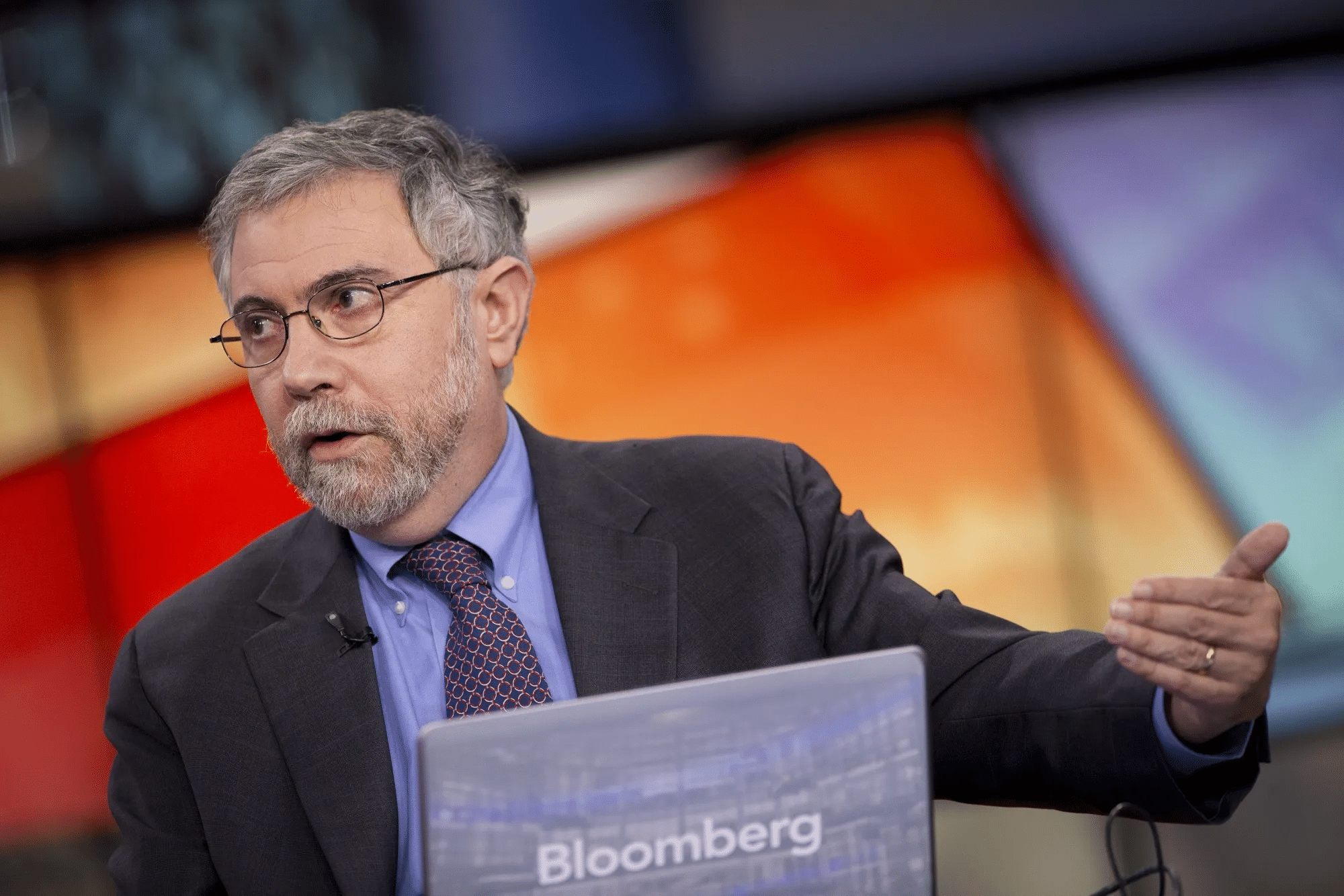
Nobel Prize-winning economist Paul Krugman published a December 2013 column titled “Bitcoin Is Evil.”
He questioned Bitcoin’s usefulness as money and challenged the political and economic assumptions behind its adoption.
Krugman’s skepticism focused on money’s purpose. A widely used currency needs enough stability and acceptance to facilitate economic activity, and Bitcoin’s extreme price fluctuations made it difficult to satisfy those requirements.
Its limited base-layer transaction capacity also made Bitcoin less practical for everyday purchases.
Bitcoin’s role developed beyond the original vision of paying for everyday goods.
Many holders began treating it primarily as a savings or investment asset, while infrastructure evolved to support additional payment and settlement applications.
For example, the Lightning Network lets participating users make payments through channels that settle against the underlying Bitcoin network.
Meanwhile, regulated financial institutions introduced investment products that let investors gain Bitcoin exposure without managing private keys themselves.
These developments weakened the argument that Bitcoin needed to compete directly with conventional retail payment networks to survive.
However, Lightning does not eliminate every usability challenge, and Bitcoin still has substantial limitations as a stable unit of account.
Economist and Nobel Laureate – Eugene Fama

In a January 2025 interview, Nobel laureate Eugene Fama was asked about the probability of Bitcoin becoming worthless within ten years.
He described the probability as close to one, while acknowledging that he could be wrong.
Fama’s argument focused on Bitcoin’s fundamental monetary characteristics, questioning how an asset with highly unstable purchasing power could function sustainably as money.
His skepticism reflects a traditional monetary framework in which a reliable medium of exchange should maintain sufficiently stable value.
Bitcoin continued operating through 2026, with established trading markets and regulated institutional access. The cryptocurrency has also maintained a meaningful role as a speculative investment and potential alternative store of value.
However, Fama’s ten-year forecast cannot reasonably be called incorrect yet, as it covers a period extending into 2035. For now, Fama represents an important unresolved challenge to Bitcoin’s long-term investment thesis.
Tech Pioneers and High-Profile Converts
Some critics later became investors, while others continued opposing Bitcoin even as the technology and market developed.
Co-Founder of Microsoft – Bill Gates

In June 2022, Microsoft co-founder Bill Gates described cryptocurrencies and non-fungible tokens as “100% based on the greater fool theory.”
He preferred assets that produce tangible goods or business output.
Gates has also raised concerns about cryptocurrency mining’s energy consumption since Bitcoin mining requires substantial electricity because its Proof of Work system depends on computing resources to secure the network.
The environmental debate became particularly important as mining operations expanded. Bitcoin mining developed additional relationships with the energy industry, including renewable power projects, flexible electricity demand and the use of natural gas that might otherwise be flared.
Research from the Cambridge Center for Alternative Finance estimated that 52.4% of the electricity used by surveyed Bitcoin miners came from sustainable sources, including renewables and nuclear power.
The same research estimated annual network consumption at approximately 138 terawatt-hours, or 0.54% of global electricity use. The study also found evidence that miners reduced electricity consumption when power was needed elsewhere.
These developments challenge the idea that Bitcoin mining offers no potential benefit to energy systems.
They do not eliminate its environmental costs. The Cambridge study still attributed 47.6% of surveyed mining electricity to fossil fuels.
Gates’ concerns about energy consumption remain relevant, even as the industry’s electricity mix changes.
“Mr. Wonderful” and Shark Tank Star – Kevin O’Leary
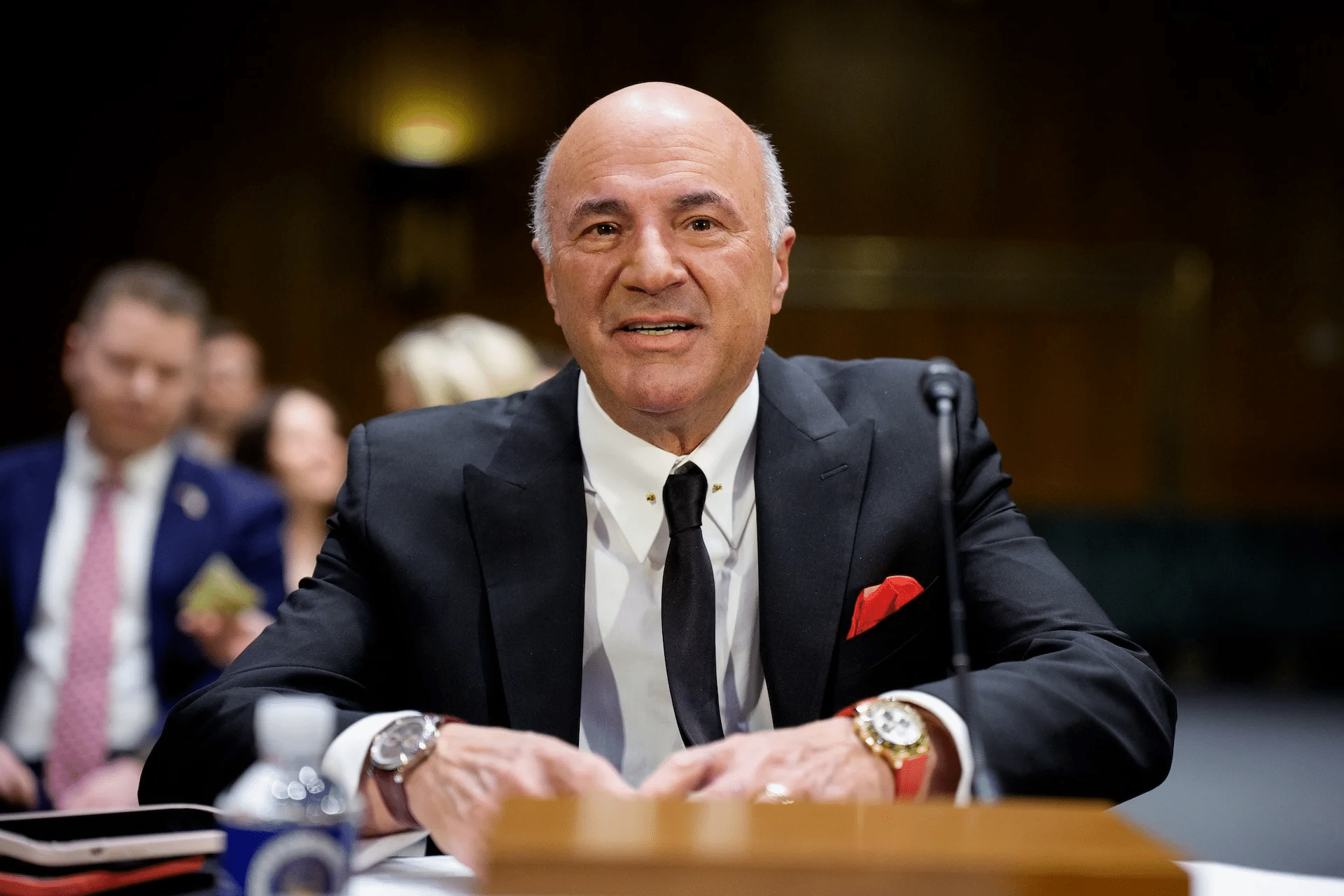
In January 2021, Shark Tank investor Kevin O’Leary described Bitcoin as a “giant nothing burger.”
At the time, he expressed skepticism about investing in an asset that lacked sufficient regulatory acceptance.
O’Leary initially questioned Bitcoin’s practical investment value and suitability for institutional portfolios.
His position gradually changed as crypto markets became more accessible to professional investors.
By 2021, O’Leary began discussing Bitcoin allocations in his own portfolio.
In March 2022, he said approximately 20% of his portfolio was allocated to cryptocurrencies and blockchain-related investments.
He later described holding diversified positions across different blockchain networks rather than concentrating exclusively on Bitcoin.
His change in position demonstrates how investors can revise their views when markets develop better custody, liquidity and regulatory infrastructure.
However, his subsequent involvement with FTX also illustrates the dangers of assuming that institutional participation guarantees safety.
O’Leary’s experience supports a broader lesson, which is that recognizing the potential of crypto does not remove counterparty, investment or operational risks.
Founder of Bridgewater Associates – Ray Dalio
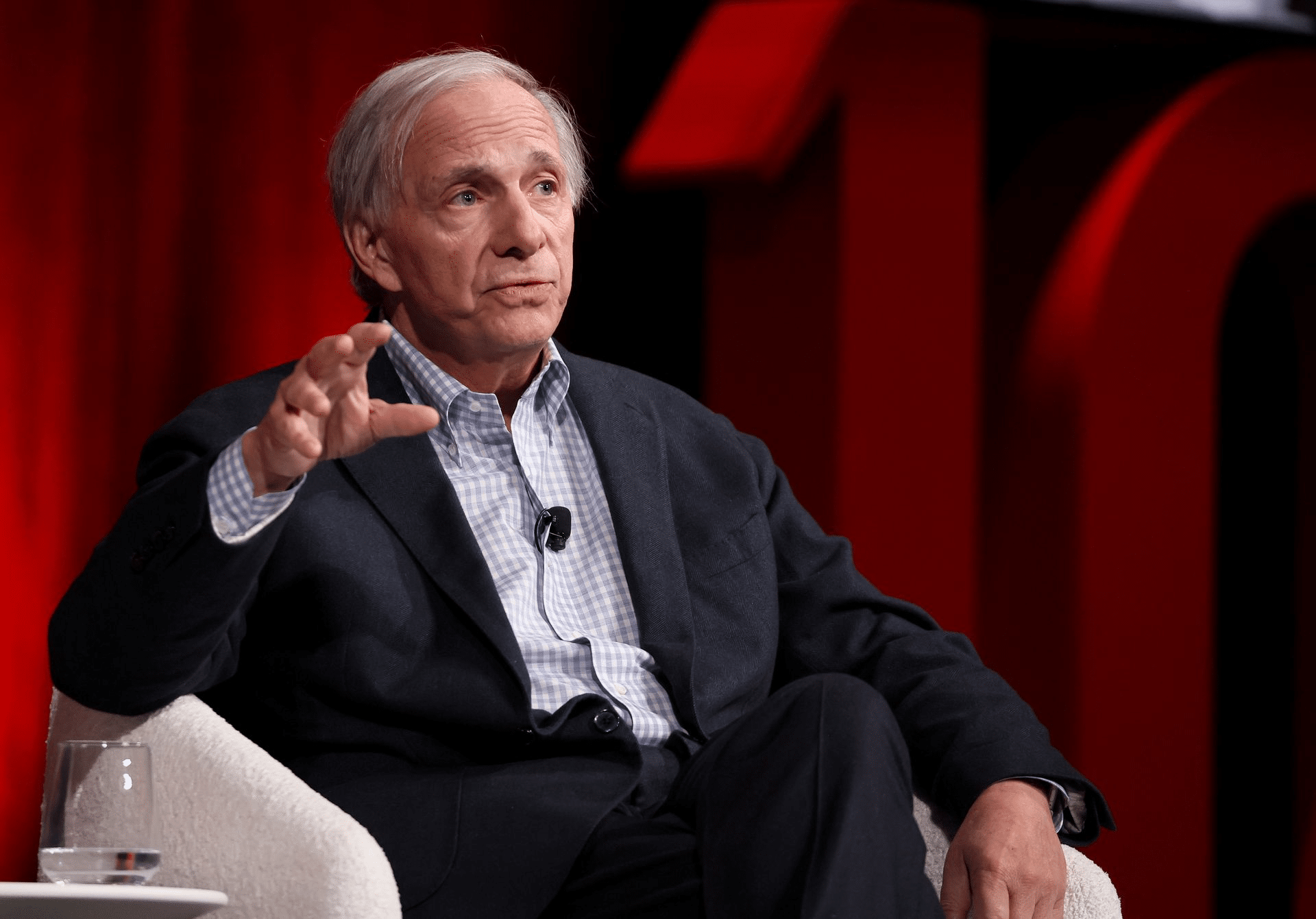
Bridgewater Associates founder Ray Dalio warned that governments might restrict or prohibit Bitcoin if it became sufficiently successful.
He viewed government control of money and credit as a potential source of conflict with decentralized alternatives.
Dalio’s concerns focused on political and monetary power. Governments control their national currencies, collect taxes and supervise financial institutions. A widely adopted alternative monetary asset could complicate those responsibilities.
His warning therefore focused on how governments might react if Bitcoin challenged traditional financial systems.
In May 2021, Dalio acknowledged that he personally owned some Bitcoin, even as he continued to warn about government intervention.
The United States later approved spot Bitcoin ETPs in January 2024.
In March 2025, the White House issued an executive order establishing a Strategic Bitcoin Reserve using eligible government-held Bitcoin obtained through forfeiture proceedings.
Those developments represent a substantially different US policy direction from an outright prohibition.
However, Dalio’s warning should not be treated as permanently disproven. Governments can still restrict crypto activity, and policies can change.
His shift from skepticism to ownership also shows that an investor can recognize Bitcoin’s potential while staying concerned about regulatory risks.
For a closer look at how government policy may shape Bitcoin’s future, see our coverage of the 2026 US midterm elections and crypto regulation.
Key Lessons From a Decade of Failed Predictions
The ten examples reveal a recurring problem with early Bitcoin predictions, which is that many observers judged the asset entirely by established financial frameworks and then underestimated how its market could evolve.
| Bitcoin Critic | Original Concern | What Later Developments Showed |
| Warren Buffett | Bitcoin produces no cash flow | Nonproductive assets can still attract substantial long-term investment demand |
| Charlie Munger | Crypto encourages speculation and crime | Legitimate activity dominates measured transaction volume, although illicit activity remains significant |
| Jamie Dimon | Bitcoin is fraudulent and unsustainable | JPMorgan eventually supported client access to Bitcoin |
| Peter Schiff | Bitcoin cannot compete with gold | Bitcoin developed a significant market as an alternative scarce asset |
| Nouriel Roubini | Bitcoin was a speculative bubble | Bitcoin recovered after major crashes, although bubble warnings sometimes proved accurate |
| Paul Krugman | Bitcoin is ineffective as money | Investment and settlement uses expanded beyond everyday retail payments |
| Eugene Fama | Bitcoin will likely become worthless | The prediction remains unresolved until its future deadline |
| Bill Gates | Bitcoin lacks productive value and consumes energy | Mining developed energy-sector applications, but environmental costs remain |
| Kevin O’Leary | Bitcoin lacked investment credibility | O’Leary later became an active cryptocurrency investor |
| Ray Dalio | Governments could outlaw Bitcoin | US policy moved toward regulated investment access and reserve holdings |
Table 1. Ten Famous Bitcoin Critics and How Their Arguments Aged
Linear Thinking Versus Exponential Network Effects
Many of Bitcoin’s early critics evaluated it as if its usefulness and demand would remain fixed.
They observed a small market with limited merchant acceptance, weak infrastructure and extreme price volatility.
From that starting point, predicting failure seemed reasonable.
What proved harder to anticipate was the development of an ecosystem involving exchanges, custody providers, payment systems, miners, investment funds and professional market participants.
As infrastructure improved, more investors could access and hold Bitcoin.
That expansion created new demand sources beyond the early technology enthusiasts who initially supported the network.
However, network growth should not be assumed to produce permanently exponential price appreciation. Bitcoin remains exposed to changing demand, liquidity conditions, competition and regulation.
Why Code-Enforced Scarcity Defies Traditional Valuation Models
Bitcoin’s supply schedule is another feature that challenges conventional asset valuation.
The protocol caps total issuance at about 21 million BTC. New coins enter circulation under predetermined rules, with mining rewards periodically cut by halving events.
Unlike a company, Bitcoin cannot increase its issuance to fund expansion or distribute equity to new investors.
Its scarcity is therefore governed by network consensus rather than the decisions of a central issuer.
However, scarcity alone does not create value.
An asset can be scarce and still have little demand. Bitcoin’s long-term value depends on whether investors and users continue to consider its security, transferability and monetary characteristics useful.
Traditional discounted cash-flow models suit Bitcoin poorly because it does not generate contractual payments.
Alternative approaches examine adoption, market liquidity, network activity, and their relationship to other scarce assets, but none provides an undisputed measure of fair value.
Final Thoughts: What Bitcoin’s Critics Got Wrong
Bitcoin’s biggest skeptics often recognized real weaknesses but underestimated how the network and its market could evolve. Its survival, institutional adoption and growing financial infrastructure have challenged predictions of an inevitable collapse, although they have not eliminated concerns about volatility, speculation or regulation.
The most useful lesson is not that famous investors are always wrong or that Bitcoin will always recover. It is that even experienced financial leaders can misjudge an unfamiliar asset when its future uses are still developing.
Frequently Asked Questions
Need a refresher? Here are the questions most readers ask about famous Bitcoin critics and their predictions.
Has Anyone Ever Accurately Predicted Bitcoin’s Top or Bottom?
Some analysts and investors have correctly anticipated major Bitcoin crashes or turning points, but consistently identifying exact market tops and bottoms remains extremely difficult.
Bitcoin’s price is affected by factors including liquidity, monetary policy, investor behavior and market leverage. A correct prediction in one cycle does not prove someone can reliably forecast future cycles.
For example, Nouriel Roubini correctly identified excessive speculation surrounding the 2017 cryptocurrency boom, but Bitcoin’s subsequent recovery challenged broader claims that cryptocurrency had little long-term future.
Why Do Financial Billionaires Continue to Oppose Bitcoin?
Different investors oppose Bitcoin for different reasons.
Some question its lack of cash flow and intrinsic productive value. Others are concerned about price volatility, financial crime, energy consumption or government regulation.
Many of those concerns remain legitimate even after Bitcoin’s growth.
The central disagreement is whether Bitcoin’s scarcity, security and network adoption create sufficient economic value to justify its market price.
Where Can I Track Historical Bitcoin Obituaries?
The 99Bitcoins Bitcoin Obituaries archive collects historical articles and statements predicting Bitcoin’s failure or demise
It lets readers see when those predictions were made and how Bitcoin performed afterward.
However, the collection includes different types of criticism, so not every entry should be interpreted as a literal prediction that Bitcoin would reach zero.