Key Takeaways
- The biggest names in Corporate America have dismissed Bitcoin, but the crypto market has survived multiple crashes and even gained institutional adoption over time.
- Bitcoin’s critics often questioned its intrinsic value, price stability, environmental impact and the ability to operate outside TradFi.
- By October 2026, as of this writing, Bitcoin already has institutional investment products and government recognition, although some criticisms and long-term predictions remain unresolved.
The CEO of JPMorgan called it a fraud. The ‘Mother and Father of All Bubbles’ said it was worthless. And a Nobel Prize winner said Bitcoin would be forgotten by 2035.
We have all seen it. Suits on televisions, economists with PhDs and even Wall Street all telling you at home there that Bitcoin was garbage.
I went back and found the most brutal predictions ever made about crypto with receipts, dates, and exact quotes.
Because here’s the thing, being wrong about Bitcoin did not just hurt their ego; it cost regular people millions of dollars in missed opportunities.
Below are ten experts divided into three sections showing exactly how wrong they were.
Why Do Most Elites Share Similarities When Dismissing Bitcoin and Misreading Decentralized Money?
For generations, traditional investing followed a set of rules. For example, you bought a stock to own a slice of a company’s profits. You may also have bought a Treasury bond to get a guaranteed check in the mail at maturity. Some may have bought real estate to collect rent for passive income, or gold because it is tangible and can be melted down.
Then came Bitcoin, breaking every rule in the book. There was no headquarters, board of directors, revenue, and even dividends. You could not even run a standard financial model on it because there were no cash flows to project.
Its worth came not from what it produced, but from what it was, which is its limited supply, an unhackable network and its independence from the traditional system.
Its value existed purely because a growing global network agreed it did, which has split the world into two camps.
The critics saw this as a dangerous bubble. But to the believers, it was revolutionary because it was the world’s first scarce digital asset built to store and move wealth without needing permission from an institution or government.
But the former insisted a system with no backing would inevitably collapse. Instead, adoption exploded.
Bitcoin proved one thing beyond doubt, which is that the old rules of value were no longer the only rules.
Bitcoin Obituaries From 2010 to 2026
Predictions of Bitcoin’s demise started immediately after its creation.
As early as 2010 of December, critics declared that Bitcoin and even other digital assets could never function as a real currency. Each major market collapse in 2013, 2018, and 2022 triggered a new wave of public obituaries.
99Bitcoins eventually first began tracking these ‘death’ notices. As of this writing, the site is no longer active but other websites are keeping it up to date like Bitcoin Deaths.
Overall, time and again, the underlying network survived, recovered, and moved on to the next cycle.
Wall Street and TradFi
Most critics actually came from TradFi, wherein their thought processes are more biased toward company valuations, cash flow, profitability and established regulatory structures. Let’s get to know three of them.
Former CEO of Berkshire Hathaway – Warren Buffett
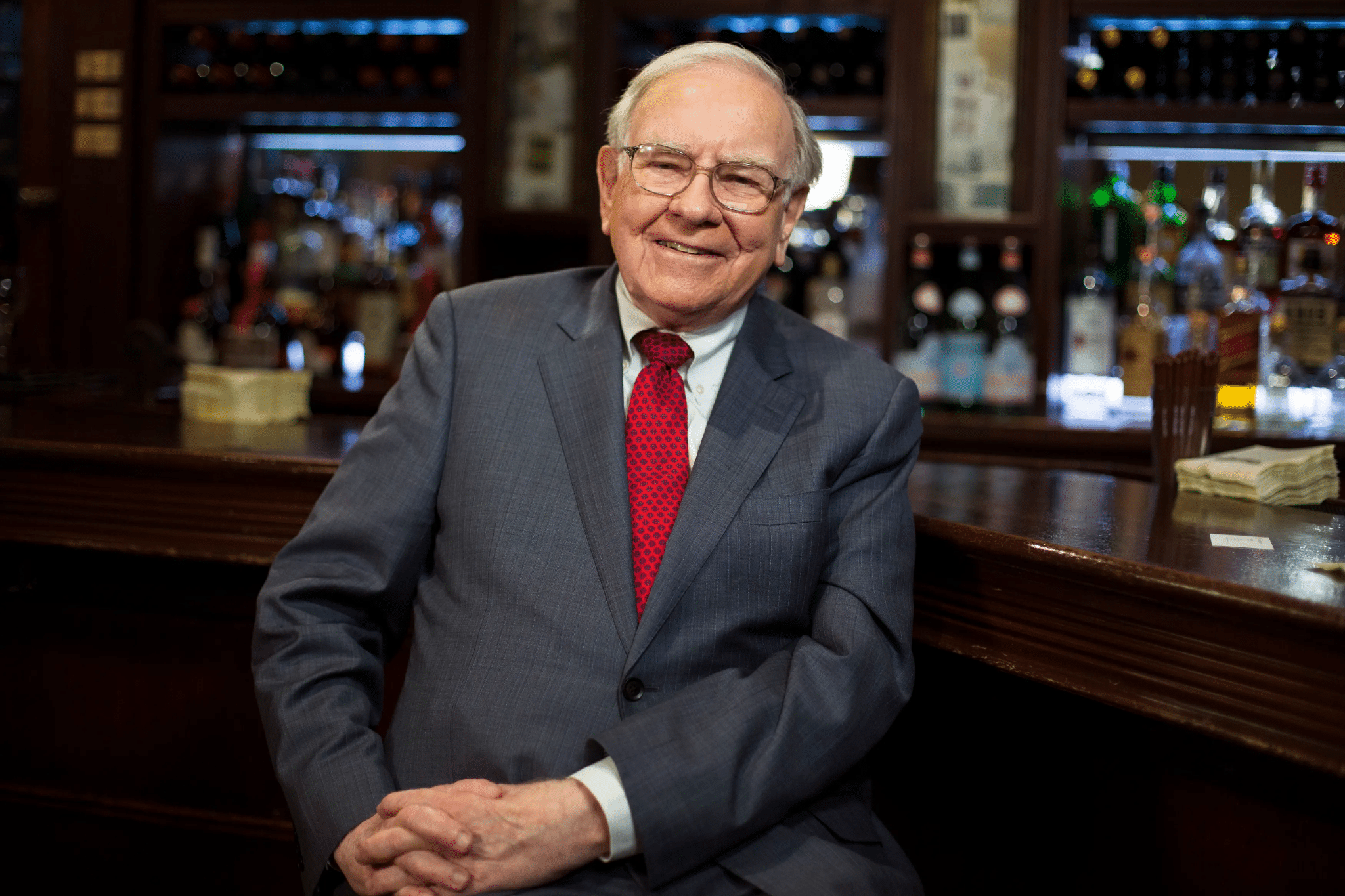
Coming from Omaha, Nebraska, with a net worth of more than $142 billion and arguably the greatest investor of the 20th century, Warren Buffett said some pretty nasty things about Bitcoin, calling it “rat poison squared.”
However, the irony was that Berkshire Hathaway invested $1 billion into Nu Holdings in Q4 of 2021, a Brazilian digital bank heavily involved in crypto services. The holding company fully exited the stock in Q1 2025 and profited $250 million from its overall investment.
In fairness to Buffett, Nu Holdings is not Bitcoin directly; he will tell you that. But the man who called crypto worthless was invested in crypto and fintech services.
Former Vice Chairman of Berkshire Hathaway – Charlie Munger

Charlie Munger served as an alter ego and sidekick to Warren Buffett. For almost 60 years, they transformed Berkshire Hathaway from a failing textile maker into an empire.
The world respects these two investors but many people have noticed they have not done too well with tech. And of course, they hated Bitcoin and crypto.
Speaking at the Zoomtopia Conference in 2023, Munger labeled it as “overhyped” arguing that it is receiving and remained skeptical about the extent to which it can deliver on its promises until his passing a month later.
With all that aside, people still have a ton of respect for Charlie Munger and Warren Buffett. And you have to respect the amount of money they have made over the years and they have been investing for a long time.
CEO of JPMorgan Chase – Jamie Dimon
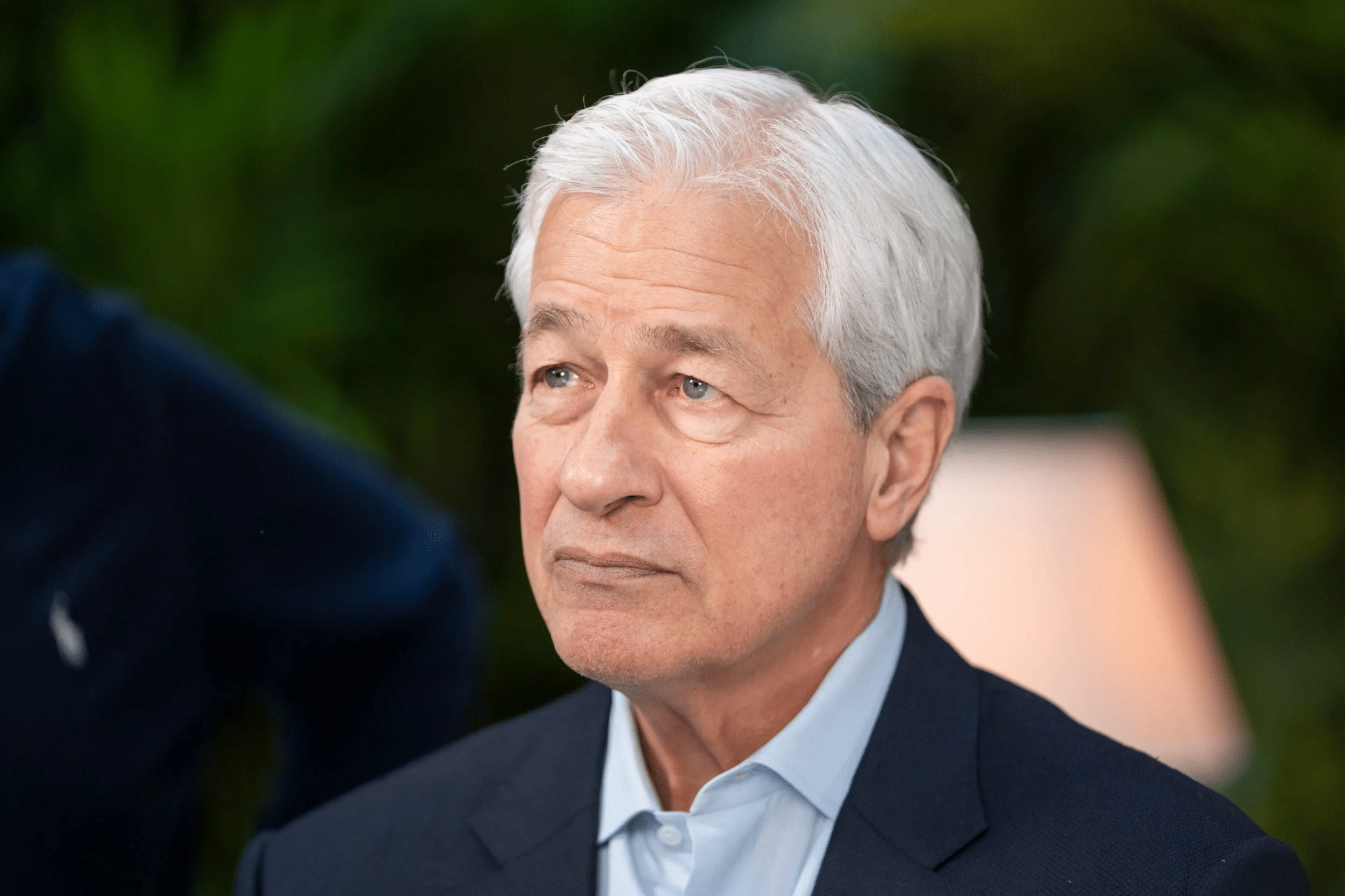
Jamie Dimon is the CEO of JPMorgan Chase, which is one of the most powerful banks on earth.
In September 2017 at a financial conference in New York, he said, “Bitcoin is a fraud that will ultimately blow up. It is worse than tulip bulbs.”
He compared it to the tulip mania of the 1630s, an economic equivalent of calling someone a dinosaur.
What happened next was that Bitcoin rose from $4,000 to an all-time high of $20,000 in December of the same year.
The JPMorgan CEO walked it back in January 2018, saying he regrets calling Bitcoin a fraud. Then in 2025, the bank filed regulatory paperwork for structured notes tied to existing Bitcoin ETF products like BlackRock’s IBIT.
The Economists
Now let’s move on to the economists as their arguments raised economic questions, though some conclusions have failed to account for Bitcoin’s changing uses.
Gold Bug – Peter Schiff

Renowned stockbroker and gold bug Peter Schiff has never been a fan of Bitcoin while casually shilling gold as the most valuable asset to own at this time on X.
He is known for his anti-Bitcoin stance, regularly engages debates with the crypto community and even upped his critique against the asset after spot Bitcoin ETFs were approved in 2024.
He believes that its success is thriving off hype and looks forward to when “the massacre” will begin.
Along the way, he admitted to owning Bitcoin in the Bitcoin 2025 conference, and said that early adopters donated it to him way back in 2010.
For context, that was at a time when Bitcoin was only trading below a dollar per coin. Unfortunately, he claimed that he had already lost track of the wallets holding the gifted Bitcoin.
Overall, the irony here is that the man who pictures himself as a Bitcoin hater on social media, gets invited to crypto conferences to which he happily accepts, making a marketing machine of his brand and businesses.
“Dr. Doom” – Nouriel Roubini
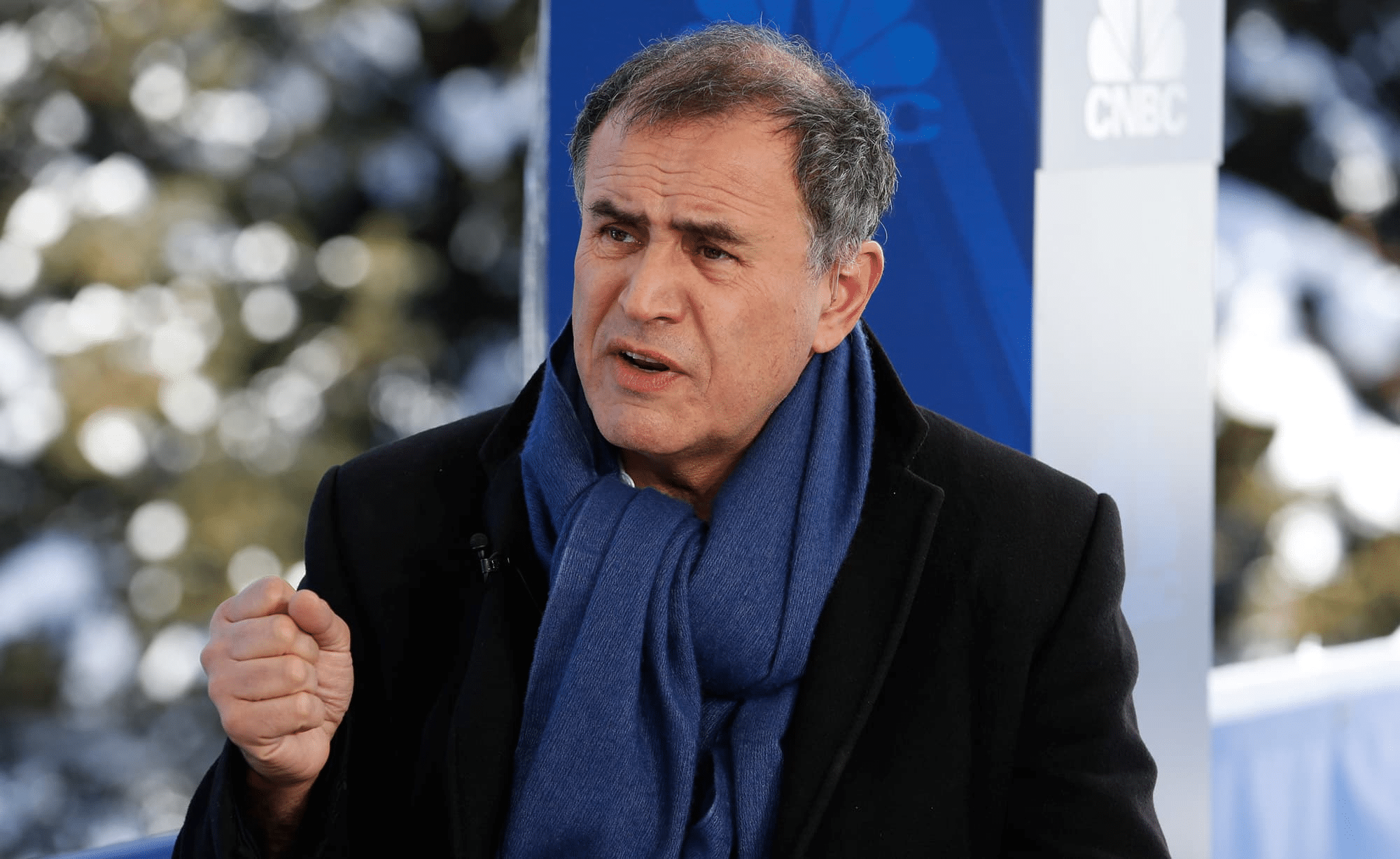
Nouriel Roubini is an economist and New York University (NYU) professor who correctly predicted the 2008 financial crisis.
In October 2018, he testified to the United States Senate and called Bitcoin “the mother of all scams and bubbles.” He also called blockchain “the most overhyped technology in human history.”
When he testified, Bitcoin’s price was $6,300. But three years later, Bitcoin pumped to $69,000.
Economist and Former Columnist for The New York Times – Paul Krugman
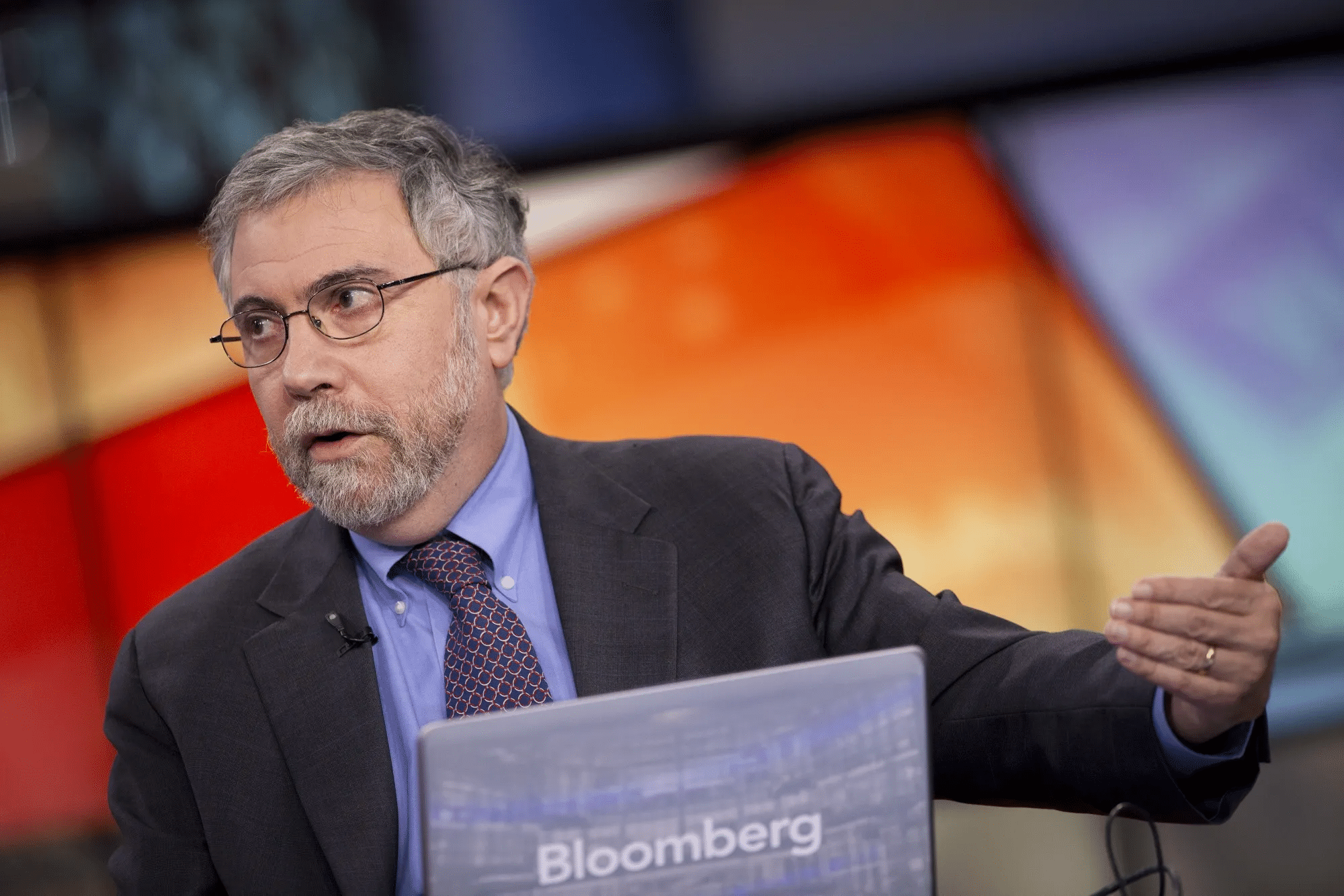
Paul Krugman is an economist who won the Nobel Prize in economics in 2018, a columnist for The New York Times (NYT) until 2024 and notably one of the most respected economic voices in 1998.
Before Bitcoin existed, he made a prediction about the internet that its growth would slow down by the year 2000. By 2005 or so, it became clear that the internet’s impact on the economy has been no greater than fax machines. Bitcoin has not existed at this time yet, but that’s just a warm-up.
Fast forward to 2013 when Bitcoin was getting attention, Krugman wrote an article for the NYT with the title “Bitcoin Is Evil”.
He then predicted in 2021 that Bitcoin would be worthless and compared crypto investors to cult members.
Economist and Nobel Laureate – Eugene Fama
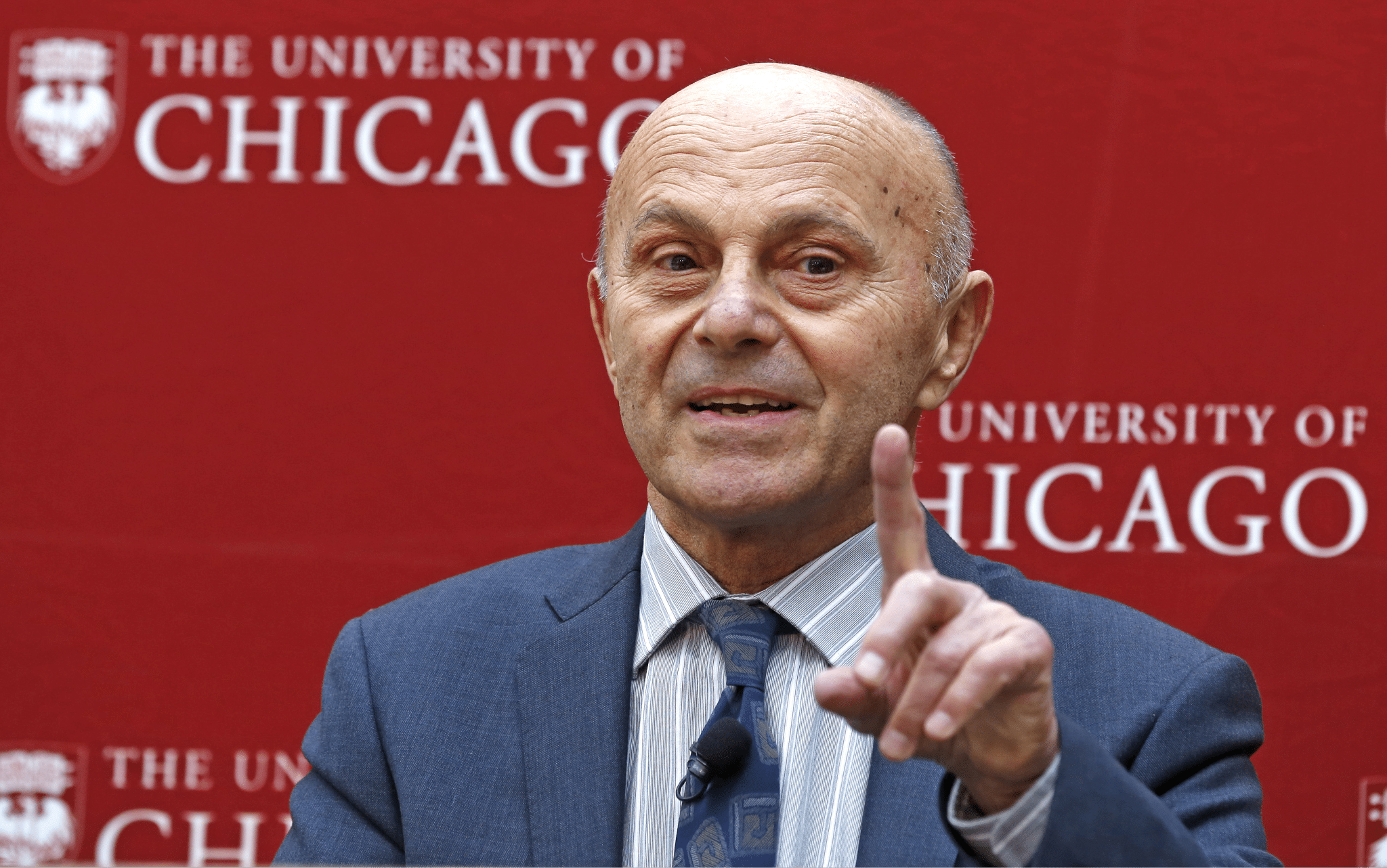
Eugene Fama, who is often nicknamed “the father of modern finance” believes that Bitcoin will disappear.
The Nobel Prize-winning economist predicted in 2025 that the value of Bitcoin could fall to zero in the next ten years or in 2035.
He argues that Bitcoin is fundamentally flawed due to its extreme volatility, lack of intrinsic value, and violation of basic principles.
Notably, he says it’s “just air” and warns that if governments step in, they could send it to zero instantly, and believes its extreme volatility makes it unusable.
Most would say he is underestimating the most powerful financial revolution in our time, but as of this writing, the United States currently holds 329,693 BTC which is worth $27.5 billion at current market prices, and now that institutions and governments are now involved in the industry, it did not send it to zero like Fama visioned. But we’ll wait and see how it goes in 2035.
Technology Pioneers
Now on to our final section in the tech industry, with some becoming investors while others continued to oppose Bitcoin even as the technology and market developed.
Co-Founder of Microsoft – Bill Gates

Microsoft co-founder and former CEO Bill Gates is a visionary who made major contributions to the advancement of modern computers, becoming the richest man in the world thanks to the success of his inventions and his company’s creations.
Given his love for innovations, he had not been shy of showing that he was not a fan of Bitcoin or anything related to crypto. In fact, he seemed to have never missed an opportunity talking negatively about Bitcoin at any chance he could get.
In his interview with Bloomberg way back in 2021, the Microsoft co-founder warned viewers of the risks associated with Bitcoin because of its price volatility and cautioned those who were barely making a living to steer away from it.
And adding to the fact that Bitcoin has always been criticized for its high energy use, which always had the eyes of tree-huggers like Gates rolling.
“Mr. Wonderful” and Shark Tank Star – Kevin O’Leary
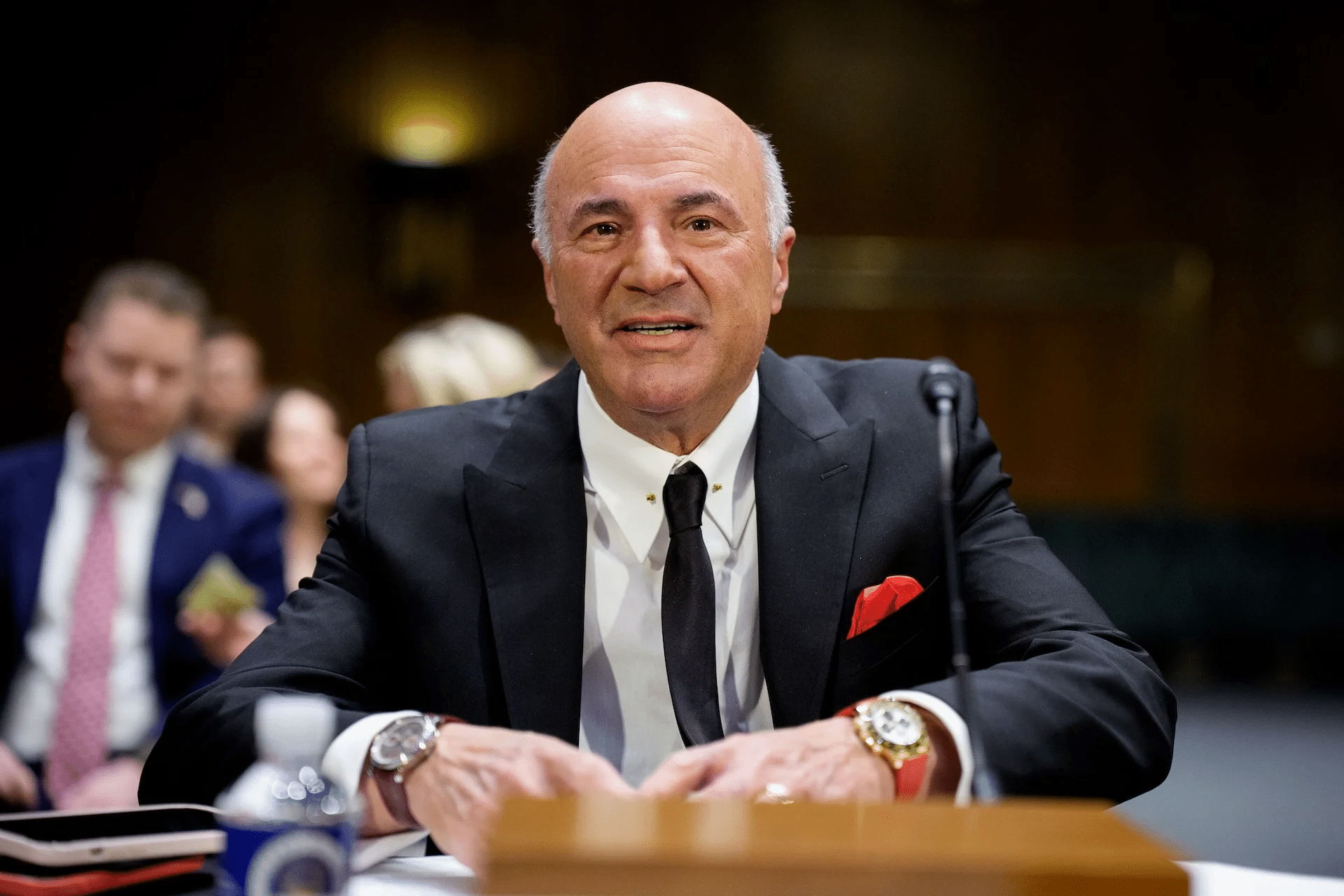
In 2019 Shark Tank star Kevin O’Leary was very public in his opinions that Bitcoin is worthless. But it turns out he has actually owned the asset since 2017.
But if you followed him before 2019, he’s a long value investor who has bought cheap stocks with free cash flows compared to their market cap and that pays dividends. He even said in an interview in 2016 that he would never buy an asset that does not pay a dividend.
Since Bitcoin does not generate dividends and has no free-flowing cash flow, he had been stating on public television telling the world it is a scam, but at the same time personally owned the asset for more than a year.
If you have watched any episode of Shark Tank or even reels of the show on Instagram or TikTok, you know he is an opportunistic businessman and would do anything to make money and increase his net worth, hence flip-flopping his stance on Bitcoin and crypto in the past.
Founder of Bridgewater Associates – Ray Dalio
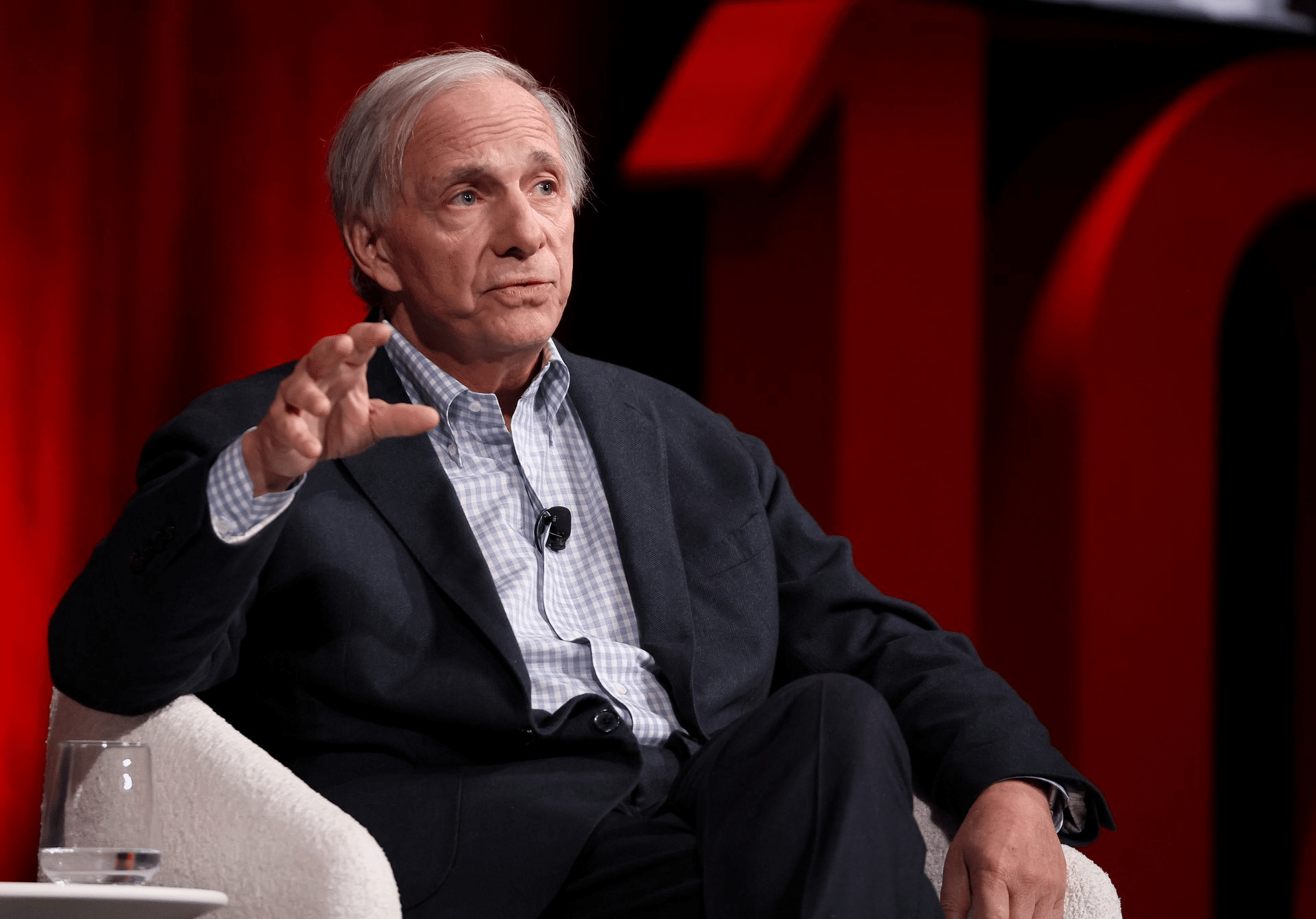
Bridgewater Associates founder Ray Dalio issued a warning about Bitcoin that it has failed as a gold-like hedge. But the same forces keeping rates high, from exploding national debt to relentless fiat issuance, are making the case for Bitcoin stronger.
Notably, in 2021 after being critical of crypto as a new asset class, he endorsed Bitcoin and said he owns some of it and that he believes it is a better investment than bonds. Recent headlines even show Dalio stating that investors should own a bit of Bitcoin as the United States’ debt keeps rising.
If you look at his history of statements about Bitcoin, you would really notice the way he’s always flip-flopping things as long as the narrative fits. So it would not be surprising if he comes out later revoking his previous statements however.
Lessons We Can Learn From These Predictions
The examples above reveal a repeating problem with early predictions around Bitcoin, which is that many judge the asset entirely against old financial frameworks and then underestimate how its market could flourish. But we can almost be certain they know that their remarks and public statements carry a lot of weight.
Linear Thinking Versus Exponential Network Effects
Many critics thought Bitcoin would fail because in their point of view, they looked at it as a finished product rather than a growing technology. Bitcoin at the time had really high volatility, only a few places to spend it, and almost no reliable tools to trade or store it safely.
What these people missed was how fast the Web3 industry has been growing. We now have crypto exchanges, digital wallets, payment systems, and even Bitcoin mining companies publicly listed on the U.S. stock market. TradFi institutions even launched their Bitcoin investment funds at competitive management fee rates.
That said, growth in the past does not guarantee it will keep skyrocketing forever. Bitcoin’s value can still rise or fall depending on changes in investor demand, macroeconomic conditions and government regulations.
Why Code-Enforced Scarcity Defies Traditional Valuation Models
Let’s not forget that there will only be 21 million BTC that will get mined and no more.
The cryptocurrency cannot increase its supply just how a stock adds more outstanding shares in circulation in the form of stock splits.
Bitcoin’s value is dependent on whether investors continue to consider it in regards to scarcity and protection from inflation.
Final Thoughts
We have to give the benefit of the doubt that these high-net worth individuals are human too and make wrong predictions like a regular person. Anything that was publicly stated on public for the world to see must be internally processed as an investor of this market. So if another influential figure comes out and says negative things about Bitcoin, always assess the situation with a follow up question on why and evaluate if the reason is highly convincing or not.
Frequently Asked Questions
Here are some questions most readers ask about famous Bitcoin critics and their previous predictions.
Has Anyone Ever Accurately Predicted Bitcoin’s Top or Bottom?
Most influential people would claim they have correctly predicted this or that because it gives them the branding people would perceive in the attention economy. But correctly predicting Bitcoin’s top and bottom cycles is extremely difficult as no one has a crystal ball on what will happen in the future.
Why Do Financial Billionaires Continue to Oppose Bitcoin?
Most billionaires continue to oppose Bitcoin because most of them built their wealth the hard way with a set of rules placed by the traditional financial system. Anything that is perceived as a ‘threat’ when building wealth is a natural defense mechanism by people who made it in life from the ground up to oppose the new technology.
Where Can I Track Historical Bitcoin Obituaries?
The latest website tracking the death statements against Bitcoin up to date can be found on Bitcoin Deaths.
More on Bitcoin: Bitcoin hub · Bitcoin price today · Bitcoin price prediction · How to buy Bitcoin safely