Key Takeaways:
- Cameron Winklevoss cut 200 Gemini jobs while exiting international markets to focus on U.S. and Singapore
- His early Bitcoin purchases below $10 per coin created billion-dollar holdings for the twins
- Cameron Winklevoss advises Trump administration while investing in American Bitcoin Corp mining firm
Cameron Winklevoss co-founded Gemini cryptocurrency exchange and owns approximately 1% of Bitcoin’s total supply purchased below $10 per coin. The entrepreneur announced a 25% workforce reduction in February 2026 while withdrawing from UK, EU, and Australian markets. Cameron Winklevoss now advises the Trump administration on crypto policy after Gemini went public in September 2025. The company’s stock dropped over 70% from IPO price by early 2026.
How Did Cameron Winklevoss Become a Bitcoin Billionaire?
Cameron Winklevoss entered cryptocurrency through an unusual combination of legal settlement, athletic discipline, and contrarian investing. His path from Harvard rower to crypto billionaire demonstrates how early conviction creates generational wealth.
The Facebook Settlement Origin
Cameron Winklevoss gained initial capital through settlement with Mark Zuckerberg. The brothers sued Zuckerberg claiming he stole their ConnectU social network concept. The 2008 settlement provided $20 million cash plus $65 million in Facebook stock.
The legal battle became famous through The Social Network movie. Many viewers assumed the settlement represented the brothers’ peak achievement. Cameron Winklevoss used the capital to make even bigger bets on emerging technology.
The Facebook experience taught lessons about first-mover advantage and intellectual property. These insights shaped how Cameron Winklevoss approached cryptocurrency investing. The willingness to fight powerful opponents translated to crypto advocacy against regulatory overreach.
Early Bitcoin Accumulation Strategy
Cameron Winklevoss began purchasing Bitcoin in 2012 at prices under $10 per coin. The investment required believing in an asset most considered worthless or fraudulent. Few institutional investors touched Bitcoin at that time.
By 2013, the twins claimed ownership of approximately 1% of Bitcoin’s total supply. This massive position cost relatively little but required enormous conviction. Cameron Winklevoss held through multiple boom-bust cycles that shook out weaker hands.
The “Bitcoin as digital gold” thesis drove their accumulation strategy. Cameron Winklevoss viewed Bitcoin as inflation hedge and store of value. This framework positioned Bitcoin differently than payments or technology platform narratives.
The brothers never sold their core Bitcoin holdings despite prices reaching $69,000 in 2021. Cameron Winklevoss’s refusal to take profits demonstrated absolute long-term conviction. This diamond hands approach created multi-billion dollar wealth.
Building Gemini Exchange Infrastructure
Cameron Winklevoss co-founded Gemini in 2014 with Tyler. The exchange aimed to bring Wall Street-grade infrastructure to cryptocurrency. Regulatory compliance distinguished Gemini from competitors operating offshore.
New York’s Department of Financial Services granted Gemini early BitLicense approval. Cameron Winklevoss worked closely with regulators to establish compliance frameworks. This approach created operational overhead but provided legitimacy.
The exchange targeted institutional clients needing regulated custody solutions. Crypto exchanges like Coinbase pursued similar strategies. Cameron Winklevoss positioned Gemini as the trusted, compliant alternative.
Why Is Cameron Winklevoss Cutting Gemini’s Workforce?
Cameron Winklevoss announced major restructuring in February 2026. The company eliminated 200 positions representing 25% of total workforce. The cuts accompanied complete withdrawal from multiple international markets.
Geographic Retreat Strategy
Gemini is exiting UK, EU, and Australian operations by April 2026. The company will focus exclusively on United States and Singapore markets. Cameron Winklevoss cited regulatory complexity as primary reason for consolidation.
European MiCA regulations created compliance burdens the company deemed unsustainable. The UK’s Financial Conduct Authority imposed strict requirements on crypto exchanges. Cameron Winklevoss decided these markets didn’t justify operational costs.
Singapore’s clear regulatory framework made it attractive retention target. The city-state provides Asian market access with reasonable compliance requirements. Cameron Winklevoss maintains operations where regulations support business models.
The geographic consolidation follows broader industry trend. Many crypto companies retreated from difficult regulatory environments. Cameron Winklevoss leads this strategic withdrawal publicly.
Post-IPO Performance Pressure
Gemini went public on NASDAQ in September 2025 under ticker GEMI. The IPO valued the company at approximately $3.3 billion. Cameron Winklevoss transitioned from private company CEO to public company executive.
The stock dropped over 70% from offering price by early 2026. Public market investors expected profitability and growth simultaneously. Cameron Winklevoss faced pressure to demonstrate sustainable business model.
Quarterly earnings reports now scrutinize every operational decision. Private companies can prioritize growth over short-term profits. Cameron Winklevoss adapted management style for public market accountability.
The workforce reduction aims to achieve profitability faster. Cameron Winklevoss signals commitment to meeting public company expectations. Cost-cutting demonstrates responsiveness to shareholder concerns.
Bear Market Revenue Challenges
Cryptocurrency trading volumes declined significantly from 2021 peaks. Lower volumes directly reduce exchange revenue. Cameron Winklevoss needed to right-size operations for lower revenue environment.
Competition from Binance and offshore exchanges intensified. These platforms offered more trading pairs with lower fees. Cameron Winklevoss’s regulatory focus created cost disadvantages versus unregulated competitors.
The restructuring prioritizes profitability over market share growth. Cameron Winklevoss shifted from expansion mode to sustainable operations. This strategic pivot reflects maturation from startup to established company.
How Does Cameron Winklevoss Influence Crypto Policy?
Cameron Winklevoss emerged as significant political figure in crypto industry. His advisory role in Trump administration provides direct policy influence. The position represents culmination of years building political relationships.
Trump Administration Advisory Role
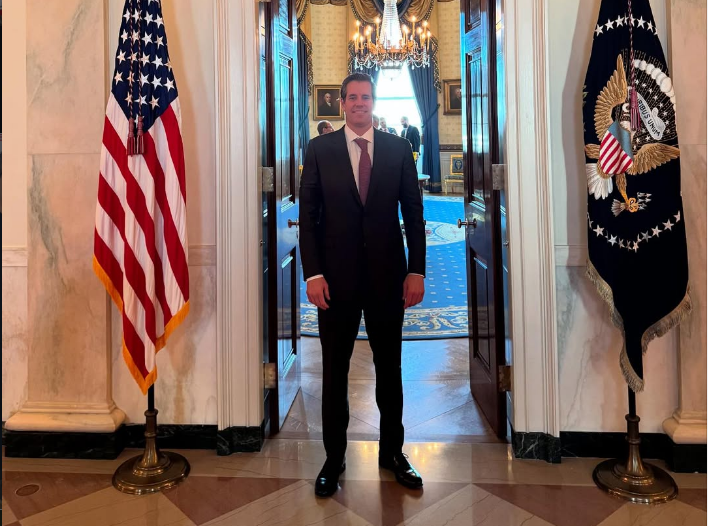
Cameron Winklevoss advises the second Trump administration on cryptocurrency policy. The advisory position provides access to key decision-makers. His practical experience operating regulated exchange informs policy recommendations.
The Trump administration adopted more pro-crypto stance than previous government. Cameron Winklevoss helped shape this policy direction through direct engagement. His twin brother Tyler also participates in these advisory discussions.
The advisory role creates potential conflicts with Gemini’s business interests. Cameron Winklevoss must balance public service with private company leadership. The dual roles require careful ethical management.
Investment in Trump-Linked Mining Venture
Cameron Winklevoss invested Bitcoin in American Bitcoin Corp. The mining company has connections to Donald Trump Jr. and Eric Trump. The investment aligns financial interests with political relationships.
Bitcoin mining represents strategic infrastructure for cryptocurrency ecosystem. Cameron Winklevoss recognizes importance of U.S.-based mining operations. The investment supports domestic Bitcoin production.
The Trump family connections create political capital for crypto industry. Cameron Winklevoss leverages these relationships for policy advocacy. The strategic investment combines financial and political objectives.
SEC Lawsuit Resolution
The SEC dropped its enforcement case against Gemini in January 2026. The lawsuit involved Gemini Earn program and allegations of unregistered securities. Cameron Winklevoss fought the case while negotiating resolution.
The Earn program allowed customers to lend crypto for yield. SEC argued this constituted illegal securities offering. Cameron Winklevoss maintained the product operated legally under existing regulations.
Genesis bankruptcy process repaid affected investors fully. This resolution satisfied SEC’s primary concern about customer losses. Cameron Winklevoss achieved favorable outcome avoiding admission of wrongdoing.

What Other Ventures Does Cameron Winklevoss Pursue?
Cameron Winklevoss operates Winklevoss Capital Management alongside Gemini. The family office invested in over 25 digital asset startups. Portfolio companies span crypto infrastructure and blockchain applications.
Venture Capital Investment Strategy
Winklevoss Capital takes hands-on approach with portfolio companies. Cameron Winklevoss provides mentorship based on Gemini operational experience. The fund invests across different cryptocurrency categories and stages.
Early-stage investments receive strategic guidance on regulatory navigation. Cameron Winklevoss applies lessons learned operating regulated exchange. Portfolio companies benefit from his compliance expertise.
The investment thesis emphasizes crypto wallet infrastructure and DeFi protocols. Cameron Winklevoss identifies foundational technologies enabling broader adoption. The portfolio balances conviction bets with diversified exposure.
Academic and Athletic Background
Cameron Winklevoss earned economics degree from Harvard University. He later completed MBA at Oxford University. The academic credentials provide business theory foundation.
He competed for U.S. Men’s National Rowing Team at 2008 Beijing Olympics. The men’s pair event placed sixth overall. Olympic discipline translated to entrepreneurial persistence.
The combination of elite education and athletic achievement creates unique profile. Cameron Winklevoss applies lessons from both domains to business challenges. Physical and mental discipline from rowing benefits long-term strategic thinking.
Frequently Asked Questions
Who is Cameron Winklevoss?
Cameron Winklevoss co-founded Gemini cryptocurrency exchange and purchased approximately 1% of Bitcoin’s total supply below $10 per coin in 2012-2013.
Why is Cameron Winklevoss cutting Gemini jobs?
Cameron Winklevoss eliminated 25% of workforce in February 2026 restructuring while exiting UK, EU, and Australian markets to focus on U.S. and Singapore operations.
How much is Cameron Winklevoss worth?
Cameron Winklevoss’s net worth is estimated around $3.5 billion as of early 2026, down from over $7 billion in late 2025 due to market corrections.
Does Cameron Winklevoss advise Trump?
Yes, Cameron Winklevoss serves as cryptocurrency policy advisor to the second Trump administration while investing in Trump-linked American Bitcoin Corp mining venture.
When did Gemini go public?
Gemini went public on NASDAQ in September 2025 at $3.3 billion valuation under Cameron Winklevoss’s leadership, but stock fell over 70% by early 2026.