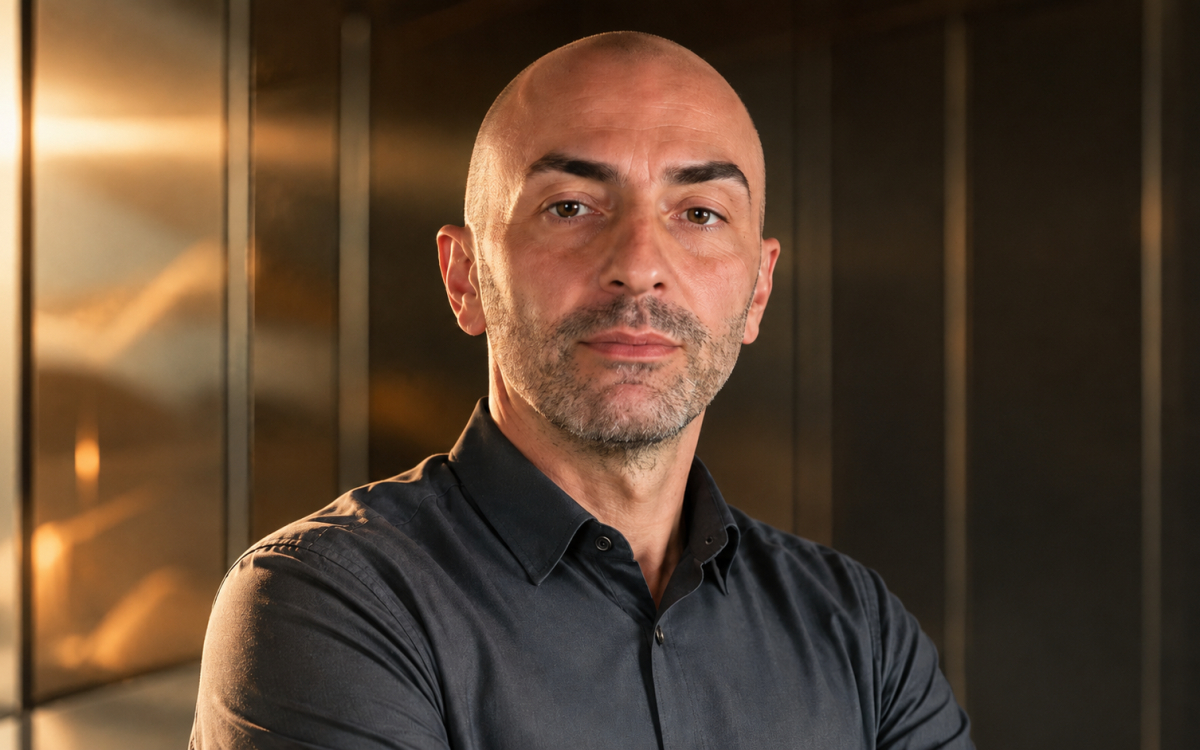
Nic Carter co-founded Coin Metrics and Castle Island Ventures after becoming Fidelity Investments’ first cryptoasset analyst, and has since built a reputation for data-driven Bitcoin commentary. His most current focus has shifted toward quantum computing’s threat to Bitcoin’s cryptography.
Who Is Nic Carter?
Nic Carter holds a degree in philosophy from the University of St Andrews and a Master’s in Finance and Investment from the University of Edinburgh, according to Castle Island Ventures’ own team page.
He was also the co-founder of Coin Metrics, a blockchain analytics firm now acquired by Talos in July 2025 to deliver the first fully integrated data and investment management platform for digital assets. Carter also served as a cryptoasset analyst at Fidelity Investments.
Nic Carter’s Career and Contributions
Before founding Castle Island Ventures, Carter worked at Fidelity Investments as the firm’s first cryptoasset analyst, developing research perspectives on public blockchains. In 2017, he co-founded Coin Metrics, a blockchain data and analytics provider that has become a key resource for institutional investors and researchers seeking reliable on-chain data, built around the premise that transparent, independently verifiable blockchain data was largely missing from the market at the time.
Carter also co-founded Castle Island Ventures, a venture capital firm investing in blockchain and cryptocurrency startups and financial infrastructure, where he serves as a general partner helping identify and support companies building on decentralized technology.
Carter has written extensively for outlets including CoinDesk and his own research site, covering Bitcoin’s monetary properties, energy consumption, and governance challenges.
In March 2023, he published “Operation Choke Point 2.0 Is Underway, And Crypto Is In Its Crosshairs,” coining the term used to describe what he characterized as a coordinated effort by US financial regulators, including the Federal Reserve, FDIC, and OCC, to discourage banks from serving crypto businesses. Carter’s thesis gained further attention following September 2024 testimony reportedly corroborating his account of regulatory pressure contributing to Silvergate Bank’s decision to cease operations.
Carter’s most current focus, based on his own site, has shifted substantially toward quantum computing risk. His ongoing series “Bitcoin and the Quantum Problem” examines how quantum computing could threaten Bitcoin’s underlying cryptography, and in April 2026 he appeared on the Bankless YouTube channel in an episode titled “Bitcoin Has 3 Years to Survive the Quantum Threat.”
His recent Substack writing has covered a wide range of angles on a certain problem, like why early-warning systems can’t be relied on for a cryptographic break, his reactions to Google and Oratomic’s quantum resource estimate papers on what it would take to crack ECC-256, and an assessment quantifying how concerned individual named Bitcoin developers are about the risk.
He has also written on the harder governance question of what to do about Satoshi-era coins if quantum computing ever threatens them, proposing a method he describes as potentially unpalatable but ultimately best for the network, an alternative to freezing those coins outright.
In one piece, he argued Bitcoin developers are “sleepwalking towards collapse” on this issue, and in another, a speculative work of hard science fiction titled “Trillion Dollar Salvage,” he explored a bittersweet hypothetical outcome for the network.
For readers wanting more background on this topic, our coverage of Bitcoin’s quantum wallet prototype and the Satoshi-era quantum freeze debate covers related developments. For profiles of other builders shaping the Web3 industry, visit our crypto personalities page.
Nic Carter’s Views and Positions
Carter has described Bitcoin as “liability-free money,” comparable to gold in its independence from centralized control, while maintaining that he isn’t exclusively focused on Bitcoin.
In a Medium post, he wrote: “I’m not Bitcoin-only intellectually, as an investor, or as a founder. It’s a big wide world out there, and I’m interested in a lot of it.”
He has pushed back on what he describes as “junk science” used in criticism of Bitcoin’s energy consumption, arguing for a more data-grounded assessment of its environmental impact.
On Bitcoin maximalism specifically, Carter has taken a notably critical stance for someone closely associated with Bitcoin advocacy, describing maximalism in one discussion as “a defensive posture that assumes Bitcoin cannot compete in a pluralistic market.”
He has argued that rigid maximalism can alienate potential allies and slow the development of complementary technologies, positioning himself as supportive of Bitcoin without treating skepticism of other crypto projects as a requirement.
More recently, Carter’s writing has expanded into adjacent policy and technology debates, including a Substack piece arguing AI is not currently the main driver of rising electricity bills, attributing that pressure instead to inflation and the broader climate transition, and a separate piece examining whether prediction markets have an inherent insider trading problem worth accepting as a tradeoff for the information they generate.
Across this body of work, Carter’s consistent throughline has been a preference for quantifiable, falsifiable claims over ideological ones, whether the subject is Bitcoin’s energy footprint, regulatory treatment of crypto banking, or the network’s exposure to a future cryptographic break.
Nic Carter’s Net Worth in 2026
Carter’s exact net worth is not publicly disclosed. Multiple sources describe him as an estimated multi-millionaire tied to his career, as he holds a co-founding stake in Castle Island Ventures, which closed a $50 million investment fund in 2021 according to CoinDesk, and a co-founding stake in Coin Metrics.
Frequently Asked Questions
Need a refresher? Here are the questions readers most often ask about Nic Carter.
What companies did Nic Carter found?
Carter co-founded Coin Metrics in 2017, a blockchain data and analytics provider, and also co-founded Castle Island Ventures, a venture capital firm investing in blockchain and cryptocurrency startups, where he serves as general partner.
What is Operation Chokepoint 2.0?
Operation Chokepoint 2.0 is a term Carter coined in a March 2023 article to describe what he characterized as a coordinated effort by US financial regulators to discourage banks from serving crypto businesses, a thesis he says gained further support from testimony tied to Silvergate Bank’s 2024 shutdown.
Is Nic Carter a Bitcoin maximalist?
No. Carter has been openly critical of rigid Bitcoin maximalism, describing it in one discussion as a defensive posture that assumes Bitcoin can’t compete in a pluralistic market, even while remaining a strong Bitcoin advocate personally.
What is Nic Carter working on now?
Carter’s most current focus is on quantum computing’s threat to Bitcoin’s cryptography, including an ongoing series titled “Bitcoin and the Quantum Problem” and recent commentary on how prepared Bitcoin’s developer community is for that risk.
Where did Nic Carter work before founding his own companies?
Carter worked at Fidelity Investments as the firm’s first cryptoasset analyst before co-founding Coin Metrics and Castle Island Ventures.