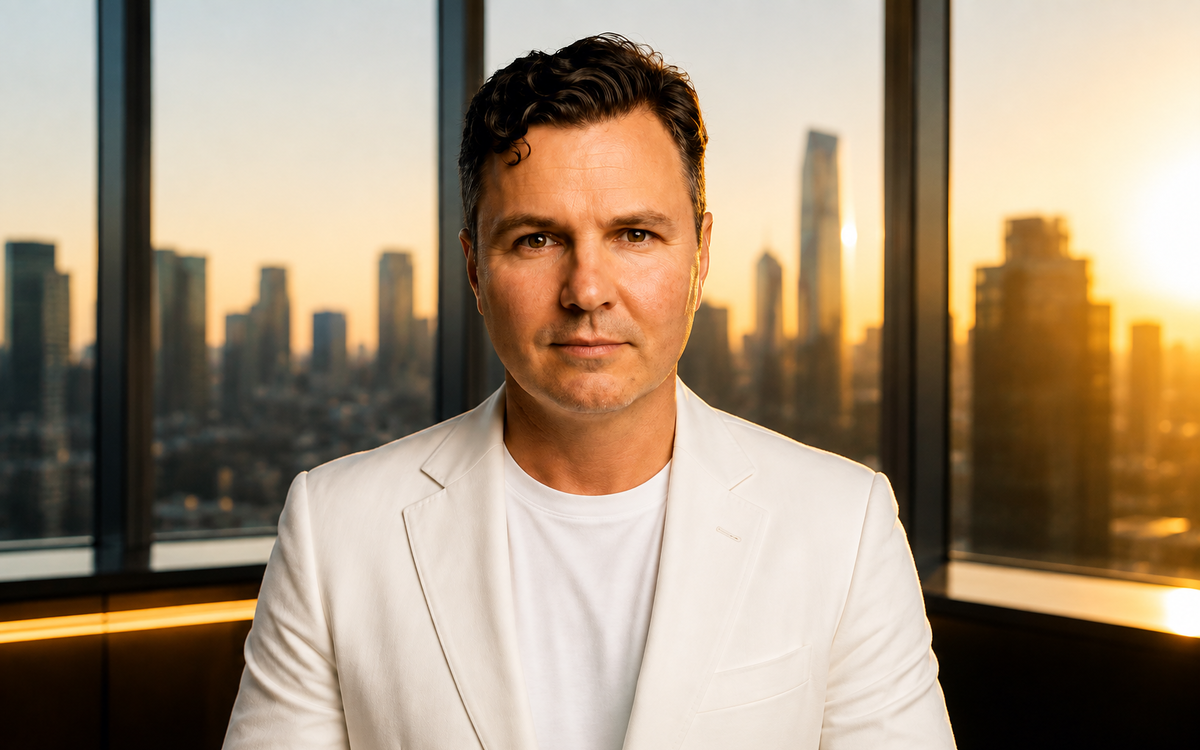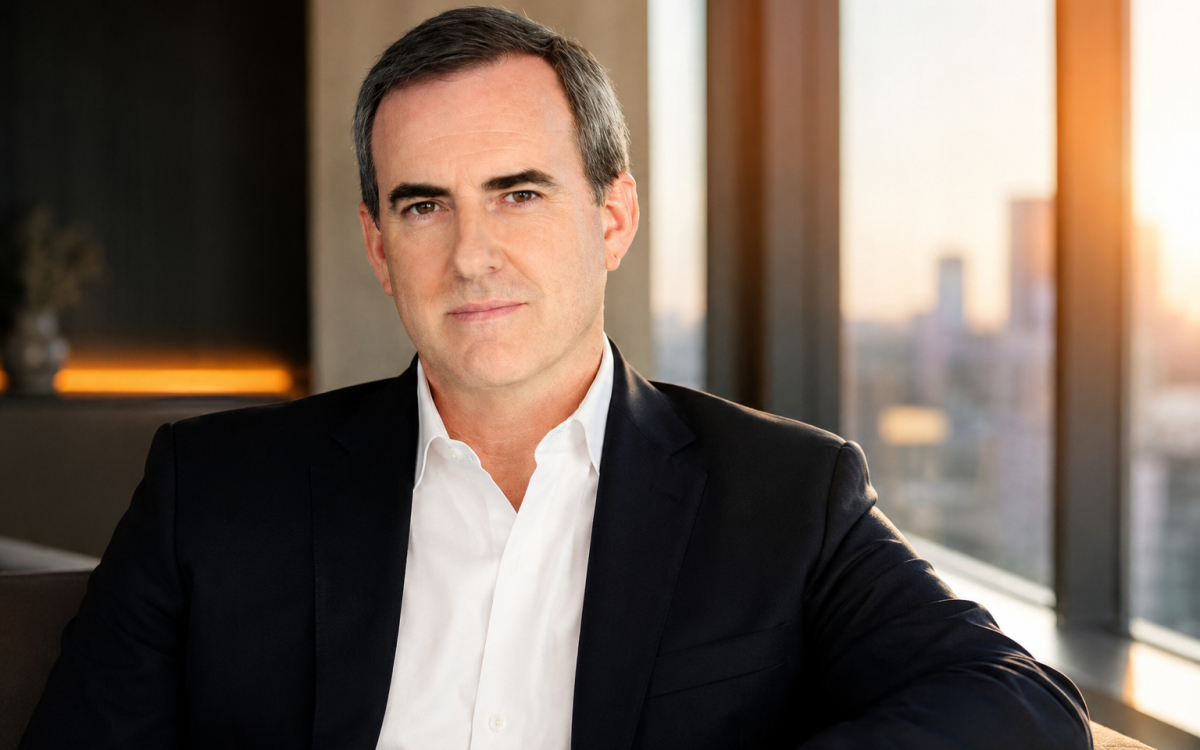
Luke Youngblood is the founder of Moonwell, a decentralized lending and borrowing protocol, and previously built staking infrastructure at Coinbase after an early career in cloud computing. He has described his work as an effort to make onchain finance as simple to use as any consumer app.
Who Is Luke Youngblood?
Luke Youngblood started his career as a systems and network engineer and, in the mid-2000s, built a large private cloud for McKesson, a large healthcare company operating across the United States, Canada, and Europe, which he has described as giving thousands of developers a platform to deploy applications.
He joined Amazon Web Services (AWS) in 2016, where he helped major customers migrate applications to the cloud, with a focus on distributed systems, according to a 2022 Coinbase interview.
Youngblood also began mining Bitcoin as a hobby in 2010 on his own gaming PC, and later explored Ethereum around 2016 to 2017.
Luke Youngblood’s Career and Contributions
While still working at AWS, he and his brother began a side project building proof-of-stake infrastructure for the Tezos Foundation in early 2018, just months ahead of the network’s betanet launch, building remote signing systems and hardware security module infrastructure across four cloud regions in a compressed timeframe.
That work led the Tezos Foundation to ask him to continue operating its baker infrastructure, which he has said he continued to do years later, even after moving to Coinbase.
The US-based crypto exchange found Youngblood through his connection at the Tezos Foundation and hired him in late 2018 to build out its staking rewards product, starting with Tezos, Cosmos, and Algorand before expanding to Ethereum’s eth2 network.
He worked as a Senior Staff Software Engineer at Coinbase Cloud. He has also described earlier participation in Cosmos’ Game of Stakes incentivized testnet in late 2018, an early example of a model many later proof-of-stake networks would copy to decentralize their validator sets and token distribution.
In 2021, Youngblood founded Moonwell, a decentralized protocol for lending and borrowing digital assets. According to Tracxn’s company profile, Moonwell’s first deployment was on Kusama’s Moonriver network, the sister network to Polkadot’s Moonbeam, with Moonriver intended as an incubation environment for new products ahead of their deployment on Moonbeam itself.
Moonwell has since expanded to additional networks including Base and Optimism, according to Youngblood’s own interviews. The protocol is governed by more than 100,000 holders of its WELL token, which Youngblood has said allows the team to upgrade contracts and add markets without centralized control.
While building Coinbase’s staking infrastructure, Youngblood described spreading validators across multiple cloud providers and regions, such as running clusters split between Amazon and Google infrastructure across different continents, as a deliberate decentralization strategy rather than a purely technical one.
He has said the underlying network economics reward this kind of spread, since concentrating too large a share of stake with any single operator raises the risk of correlated slashing if a vulnerability appears in that operator’s setup, giving large stakers a built-in incentive to decentralize rather than consolidate.
He also supported diversifying which client software validators run, citing Coinbase’s use of multiple major Ethereum client implementations rather than standardizing on one, as a further hedge against any single software defect affecting an entire validator population at once.
For profiles of other builders shaping the Web3 industry, visit our crypto personalities page.
Luke Youngblood’s Views and Positions
Youngblood has been outspoken about crypto’s accessibility problems, arguing in a 2025 interview that most early crypto applications assumed users spoke English and had access to capable hardware. However, given the barriers to adoption, he said Moonwell has tried to address them by translating its app into additional languages, including Spanish, Portuguese, Korean, and Chinese.
He has argued that passkey-based wallets represent the clearest path to onboarding users unfamiliar with crypto, since they automatically back up to existing cloud accounts and eliminate the anxiety of managing recovery phrases.
He has also pointed to transaction fees as a persistent barrier, describing Moonwell’s use of sponsored transactions and Paymasters, funded through Coinbase’s Gasless Campaign on Base and through USDC-based sponsorship on other networks, as a way to let new users try the app without first needing to acquire ETH.
Youngblood has framed self-custody as central to what he calls an open financial system, describing the freedom to custody and the freedom to transact as the core fundamentals that crypto needs to preserve, even as institutional adoption grows.
On that institutional trend specifically, he has pointed to BlackRock’s BUIDL fund as an example of how permissioned, institution-only tokenized products can coexist with permissionless retail access via intermediary banks or fintechs that complete their own KYC.
He built a feature called Beam intended to abstract away cross-chain complexity entirely, showing users a single combined balance across chains and handling bridging automatically behind the scenes when they deposit funds, using Across Protocol for routing in many cases.
Describing his approach to user trust more broadly, Youngblood has said he thinks of building onchain applications “like a Hippocratic oath,” prioritizing the protection of user funds through audits and bug bounties over any other consideration.
Youngblood has drawn a direct comparison between crypto’s current institutional adoption curve and the early skepticism cloud computing faced at companies like AWS, where he said large enterprises initially dismissed services like EC2 as a novelty for startups before eventually making cloud infrastructure their default.
He has applied a similar framing to legacy banking, arguing that instant on-chain settlement offers efficiency gains comparable to what cloud computing offered over on-premise data centers, citing faster cross-border remittances and same-day loan origination through smart contracts as concrete examples of that shift already underway.
Frequently Asked Questions
Need a refresher? Here are the questions readers most often ask about Luke Youngblood.
What companies did Luke Youngblood work for before founding Moonwell?
Youngblood built cloud infrastructure at McKesson in the mid-2000s, joined Amazon Web Services in 2016, and later worked at Coinbase as a Senior Staff Software Engineer, where he built staking rewards infrastructure for networks including Tezos, Cosmos, Algorand, and Ethereum’s eth2 network.
When did Luke Youngblood found Moonwell?
Youngblood founded Moonwell in 2021. The protocol’s first deployment was on Kusama’s Moonriver network, later expanding to additional chains, including Moonbeam, Base, and Optimism.
What is Moonwell’s Beam feature?
Beam is a feature Youngblood built to make cross-chain use feel like using a single chain, showing users a single combined balance across multiple networks and automatically bridging funds behind the scenes when they deposit, without requiring users to manually move assets between chains.
What does Luke Youngblood believe about crypto wallets?
Youngblood has argued that passkey-based wallets are the clearest way to remove onboarding friction for new crypto users, since they back up automatically through existing cloud accounts rather than requiring users to manage a physical recovery phrase.
How does Moonwell handle transaction fees for new users?
Moonwell uses sponsored transactions and Paymasters to let first-time users try the app without buying ETH upfront, funded by Coinbase’s Gasless campaign on Base and USDC-based sponsorships on other supported networks.