Key Takeaways
- Web3 uses blockchain, smart contracts, and decentralization to make the internet safer, more transparent, and more efficient for people and businesses.
- Filecoin provides secure, decentralized storage, reducing costs, eliminating single points of failure, and giving users control over their data.
- Web3 gives users more privacy, security, and control while letting them participate, earn rewards, and make verified contributions worldwide.
Web3 is reshaping the way we use the internet by introducing technologies like blockchain, smart contracts, and decentralized networks. These tools let people and businesses interact in safer, more transparent, and efficient ways. Beyond the hype, Web3 is tackling real challenges, from helping people manage digital identities and improving access to financial services to boosting energy efficiency and building trust in supply chains. It’s becoming a practical layer of the internet that goes beyond just ideas and promises.
Across different industries, innovative projects are turning these technologies into real-world solutions. They make digital identities more secure, speed up payments, cut energy waste, and ensure products are authentic and traceable. Many of these projects are already creating tangible benefits for users and businesses alike, showing that Web3 is more than just a concept. In this article, we explore 10 Web3 projects that are bringing these ideas to life and making a real impact on daily life.
1. Filecoin: Decentralized Data Storage
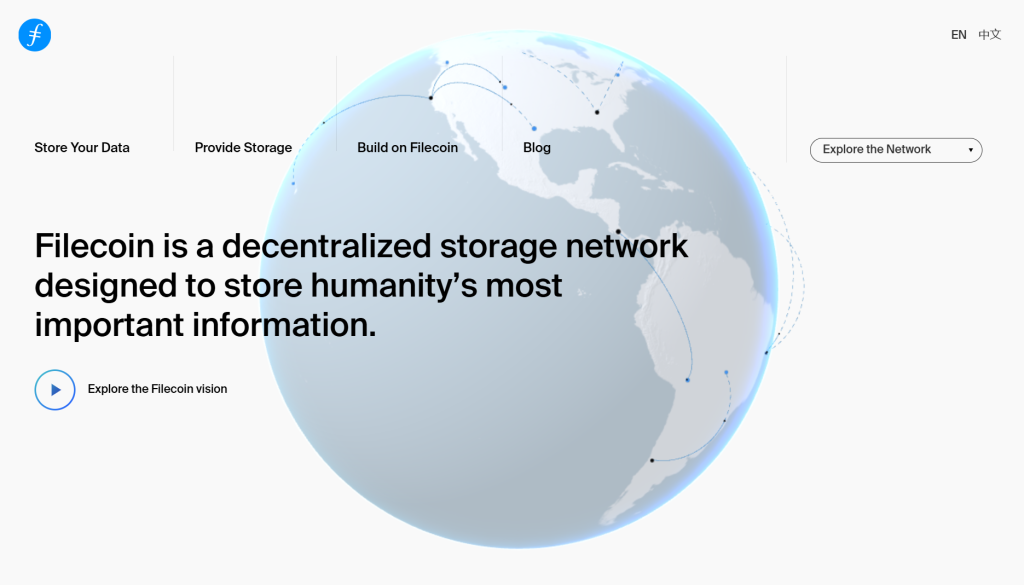
Most cloud storage relies on a few big companies, which can be expensive, slow, or even shut down your access. Filecoin changes this by using a global network of independent storage providers. Blockchain technology ensures that your data is stored securely and can be retrieved when you need it, giving you greater control and security over your files.
Filecoin solves real problems for both people and businesses. It lowers the cost of storing large volumes of data, eliminates the risk of file loss from a single point of failure, and lets users choose where and how their data is stored. It’s perfect for saving research data, backing up personal files, storing large media files like videos and images, and storing software.
2. Helium: Community Wireless Networks
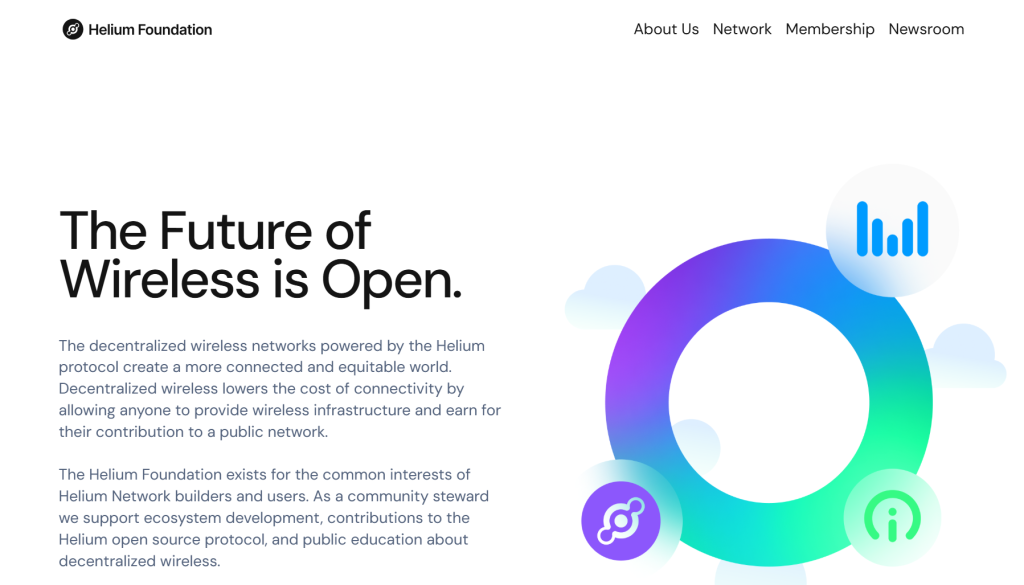
Traditional wireless networks are expensive and often don’t reach rural or hard-to-access areas. Helium solves this by letting people set up small wireless hotspots that connect Internet of Things (IoT) devices, like sensors and trackers. Users earn rewards through blockchain incentives, while the network grows stronger and more reliable as more hotspots are added.
This system makes connectivity cheaper and more flexible. Low-power devices can communicate over long distances without relying on big telecom companies. Helium is useful for tracking assets, monitoring the environment, or powering smart city sensors, giving communities and businesses an easy way to collect and use data.
3. Arweave: Permaweb and Archival Storage
Keeping digital information safe forever is a big challenge for businesses, researchers, and creators. Traditional storage can be expensive, and files may get lost or altered over time. Arweave takes a different approach with a blockchain technology called the “blockweave,” which stores data securely and permanently. Once something is uploaded, it can’t be changed or deleted, giving users confidence that their information will always be there when they need it.
Arweave also makes permanent storage simple and affordable by letting users pay just once rather than paying recurring fees. This is perfect for preserving public records, research, or websites that need to stay online indefinitely. By combining lasting storage with blockchain verification, Arweave keeps important data safe, transparent, and accessible for the long term.
4. Helios: Decentralized Identity (ID)

Managing digital identity is a growing challenge, as people face risks like identity fraud, privacy breaches, and juggling multiple login systems across different apps. Helios, a decentralized identity (DID) platform, solves this by letting users control their own identity using cryptographic keys. Instead of relying on centralized companies, individuals can securely verify who they are while keeping their personal data private.
Helios provides a practical solution by enabling self-sovereign identity, where users own and manage their credentials without intermediaries. This reduces dependence on traditional identity providers and enhances security across online services. It can be used for password-free logins, verifying professional or educational credentials, and accessing sensitive services securely, giving users both convenience and confidence in their digital interactions.
5. Giveth – Transparent Funding for Social Causes
Many traditional charities face challenges with transparency, making it hard for donors to know how their money is spent. Giveth addresses this problem by using blockchain technology to track donations from start to finish. Every contribution is recorded on an immutable ledger, allowing donors to see exactly how funds are used and the impact they create, building trust and accountability in the process.
Giveth provides a practical solution for social causes by reducing fraud and misuse of funds while ensuring that contributions reach their intended projects. It is ideal for community initiatives, disaster relief efforts, and grassroots programs where transparency and trust are very important. By making every step of the funding process visible, Giveth empowers donors to support projects confidently and helps organizations demonstrate the real-world results of their work.
6. Regen Network: Transparent Eco Tracking
Environmental data is often scattered and hard to verify, making it difficult to measure real ecological impact. Regen Network uses blockchain to record and authenticate information from landowners, scientists, and communities. This creates a permanent, transparent record of climate-positive actions, from forest growth and soil health to carbon capture, giving stakeholders confidence in the accuracy of the data.
The platform rewards sustainable practices by connecting real environmental results to incentives. Participants can earn rewards for carbon credits, better farming practices, or restoring ecosystems. By tracking verified data and offering rewards, Regen Network makes it easier to take real action and stay accountable for protecting the environment.
7. Celo: Mobile‑First Financial Inclusion
Around the world, billions of people have limited or no access to traditional banking, yet most have mobile phones. Celo leverages blockchain technology to provide easy-to-use digital payment and savings tools directly on mobile devices. By removing the need for bank accounts, email, or specialized hardware, Celo makes financial services accessible to communities that have been excluded from the traditional financial system.
Celo enables low-fee mobile payments and simple digital wallets, helping users send money, receive payments, or save securely without relying on banks. It is especially useful for crypto remittances, peer-to-peer transactions, and merchant payments in developing regions. By focusing on mobile-first solutions, Celo brings financial inclusion to millions and helps create a more connected, accessible global economy.
8. OriginTrail: Transparent Supply Chains
Today’s consumers are more concerned than ever about where products come from and whether they meet ethical, environmental, and safety standards. OriginTrail uses a decentralized network to make supply chain data transparent and verifiable. By recording every step of a product’s journey on blockchain, companies can provide trusted information about sourcing, manufacturing, and delivery, giving buyers confidence in what they purchase.
OriginTrail helps reduce fraud and mislabeling by making product histories easily auditable. It is particularly useful for verifying food origins, ethical practices in fashion, and the authenticity of pharmaceuticals. By combining reliable data with decentralized technology, OriginTrail strengthens trust between producers, retailers, and consumers while promoting accountability and responsible practices across supply chains.
9. BrightID: Privacy-Friendly Identity Verification
Digital platforms often face problems with fake accounts, duplicates, and bots, which can lead to unfair access or manipulation. BrightID helps users prove they are unique humans without sharing personal information. Using a decentralized verification system, BrightID prevents multiple-account abuse while keeping user privacy intact.
BrightID ensures fair participation in digital communities and services by making sure only real people can access certain benefits. It is useful for distributing tokens fairly, conducting secure community votes, and controlling access to gated platforms or services. By combining privacy with identity verification, BrightID creates trust in decentralized systems and gives everyone a fair chance to participate.
10. Aave: Decentralized Lending and Borrowing
Access to credit and financial services is limited for many people, especially those excluded by traditional banking systems. Aave provides a decentralized platform where anyone with cryptocurrency can lend or borrow assets without relying on banks or credit checks. Transactions are transparent and permissionless, allowing users worldwide to participate freely and securely.
Aave offers a practical way to earn interest, provide liquidity, or borrow funds directly from the network. Interest rates are determined by supply and demand rather than by banks, making lending and borrowing fairer and more efficient. This platform is particularly useful for earning yield on crypto holdings, accessing funds without intermediaries, and supporting decentralized financial ecosystems, opening opportunities for anyone with digital assets.
Final Thoughts
Web3 is changing the way we use the internet by making online interactions safer, fairer, and more transparent. The projects highlighted here show how these technologies are solving real problems, from storing data securely with Filecoin and verifying identities with BrightID, to tracking supply chains with OriginTrail and providing financial access with Celo and Aave. By making systems more open, efficient, and trustworthy, Web3 is creating practical benefits for people, businesses, and communities, showing that the future of the internet can be decentralized, accessible, and impactful for everyone.