Key Takeaways:
- Platforms like Kraken and Coinbase send money to 160+ countries with fees under $5 versus $30-50 for bank wires
- Stablecoins like USDC keep values steady during transfers while completing transactions in minutes instead of days
- Crypto transfers work 24/7 without bank holidays or weekend closures affecting your money movement
Sending money overseas through banks drains your wallet fast. Wire transfers charge $30-50 and take up to five business days. Banks close on weekends too. Your recipient waits while you watch money disappear in fees.
Crypto remittance platforms flip this completely. Transfers finish in minutes for under $5 total cost. These platforms use digital currencies to skip traditional banking systems entirely. Your money moves 24/7 regardless of holidays or time zones.
Which Platforms Work Best for International Transfers?
Several major crypto exchanges now focus specifically on cross-border money movement. Each platform takes a different approach to helping you send money abroad. Your choice depends mainly on where you’re sending and what currencies matter most.
How Does Kraken Compare to Other Options?
Kraken supports over 300 different crypto and fiat assets reaching 160+ countries. The platform created Paylinks that let you share payment requests through simple links. Your recipient just clicks and gets paid directly without typing wallet addresses.
Kraktags work like usernames instead of those long confusing wallet strings. You send to @username rather than copying 42-character addresses. This cuts down on typos that could lose your money forever.
Most crypto withdrawals cost $1-3 depending on how busy the network is. Fiat withdrawals run $5-25 but still beat bank wire fees easily. The exchange operates legally with proper licenses in all major markets.
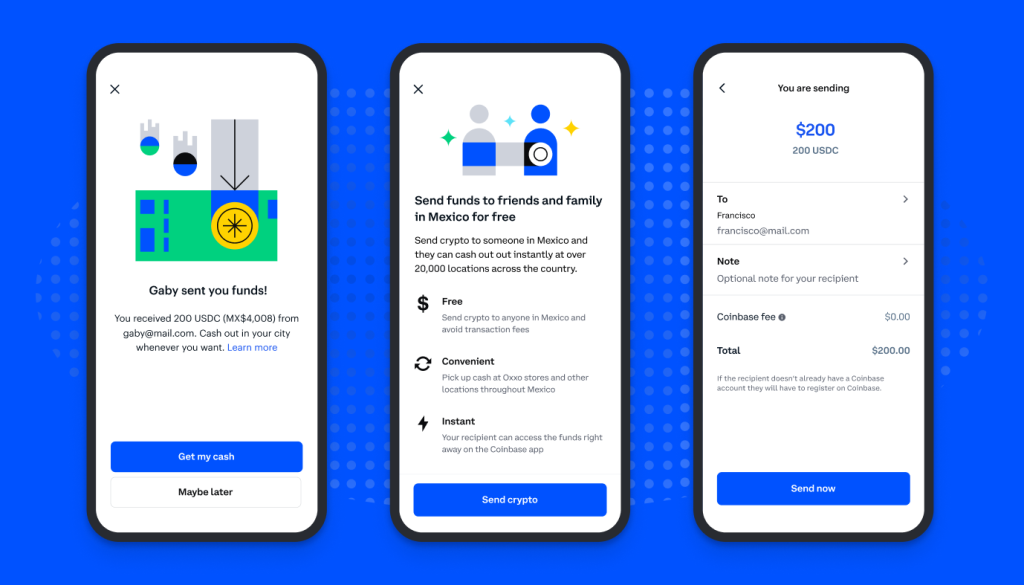
Coinbase ranks among the most regulated US exchanges available. Buying and sending crypto stays simple through their web and mobile apps. You purchase digital currency with your debit card or bank account. Then you send it anywhere worldwide within minutes.
The platform supports over 100 cryptocurrencies including Bitcoin and multiple stablecoins. Everything stays beginner-friendly despite packing in advanced features. Your digital assets get insurance coverage while sitting on the platform. Two-factor authentication and biometric login keep your account locked down.
What About Business-Focused Services?
Crypto.com built everything mobile-first with fees between 0.04% and 0.4%. They run a rewards program giving cashback on transfers and purchases. You earn their CRO tokens just for using the service regularly.
The app handles instant transfers through a global payment network. You send crypto directly or spend using their Visa card. Recipients don’t need any crypto knowledge since they can get fiat currency. The platform works in over 90 countries with proper regulatory approval everywhere.
BVNK targets business payments rather than personal money transfers. Companies use it for paying international vendors and running payroll. The platform converts between crypto and fiat really smoothly. Global regulatory coverage lets businesses operate legally across borders.
BitPay helps merchants and individuals accept crypto payments anywhere. They process Bitcoin, Ethereum, and several stablecoins. Payments settle fast with lower fees than credit card processing. Recipients choose between keeping crypto or converting to fiat automatically. For more on international options, check our guide on sending money to India using USDT or USDC.
Which Cryptocurrencies Make Sense for Sending Money?
Not every cryptocurrency works well for moving money between countries. Price swings create big problems when values change mid-transfer. Some blockchain fees eat up too much of what you’re sending. Stablecoins fix most of these headaches while keeping crypto’s speed advantages.
USD Coin (USDC) stays locked at $1 per coin through regulated dollar reserves. Circle and Coinbase run USDC with full regulatory compliance. Every token gets backed by actual dollars or equivalent assets. This means $500 sent arrives as $500 received without price drops.
The coin works on multiple blockchains including Ethereum, Solana, and Polygon. Different networks charge different fees. Sending USDC on Polygon costs under a penny while Ethereum runs $5-15. Pick your network based on what the recipient’s platform accepts.
Tether (USDT) dominates as the biggest stablecoin by usage and market cap. More exchanges support USDT than any other stablecoin out there. Wide acceptance makes cashing out easier for recipients. USDT runs on multiple chains with TRON offering the cheapest fees.
Dai (DAI) operates as a decentralized stablecoin built on Ethereum. No single company controls DAI, making it harder to censor. Smart contracts keep it pegged to the dollar automatically. DAI works great for people wanting maximum decentralization in transfers.
Here’s how the major stablecoins stack up for sending money abroad:
- USDC delivers the best regulation and transparency while working on most platforms
- USDT gets accepted widest globally, especially throughout developing markets
- DAI offers the most decentralized option for privacy-focused users
- TrueUSD provides strong reserve backing but fewer platforms support it
For hands-on guidance using stablecoins internationally, see our article on Bitcoin stablecoin remittances.
How Do Platform Fees Actually Compare?
Fee structures jump around a lot between different crypto remittance platforms. Understanding total costs helps you pick the cheapest option. Hidden fees sometimes make initially cheap transfers expensive.
Most platforms charge three fee types for international transfers. Deposit fees hit when adding money to your account. Trading fees apply when swapping between currencies. Withdrawal or network fees happen when sending crypto out.
What’s the Real Cost Breakdown?
Kraken charges 0.16% to 0.26% for buying crypto based on your volume. Bank deposits through wire cost $5-10 while ACH deposits are free. Crypto withdrawals run $0.50-$25 depending on the asset. Stablecoin withdrawals on cheap networks like TRON stay under $1.
Coinbase uses a spread around 0.5% plus a flat fee. Small purchases under $200 pay $2.99 flat. Larger amounts get percentage-based fees instead. ACH deposits cost nothing but take 3-5 days to clear. Debit cards work instantly but charge 3.99% extra.
Exchange rate markups sneak in invisible costs on some platforms. The crypto price shown might pack a 1-2% markup over real market rates. This spread makes money without showing as a direct fee. Always compare their rate to actual market prices before buying.
Receiving platforms also charge fees that shrink what arrives. If you send through Coinbase but your recipient uses a different exchange, both charge fees. The recipient pays their platform’s deposit fee. Then they pay again converting crypto to local currency.
Timing affects costs through network congestion patterns. Ethereum fees spike above $20 during busy periods. The same transfer costs $5 during quiet times. Checking gas prices before sending saves real money. Weekends usually have lower activity and cheaper fees. Learn more about converting crypto to cash efficiently.
How Fast Do Crypto Transfers Actually Complete?
Speed gives crypto one of its biggest edges over traditional remittances. Bank wires take 3-5 business days clearing internationally. Crypto transfers confirm in minutes no matter the distance or what day it is.
Bitcoin transactions take 10-60 minutes depending on the fee you pay. Ethereum confirms in 1-5 minutes typically. Solana and newer blockchains finish in seconds. Stablecoin transfers move at whatever speed their blockchain runs.
Transfer speed depends on a few key factors. Network congestion during busy times slows everything down. Lower fee payments get processed slower by validators. Exchange processing when converting to fiat adds extra delays.
Crypto.com processes crypto-to-crypto transfers instantly within their own network. External transfers take 10-30 minutes for most assets. Converting to fiat and withdrawing to banks adds 1-3 business days. But the crypto portion still moves way faster than banks.
Most platforms need confirmations before calling transfers final. Bitcoin needs 3-6 confirmations taking 30-60 minutes total. Ethereum needs 12 confirmations usually done under 5 minutes. Stablecoins on Polygon confirm in under 30 seconds with tiny fees. For country-specific guides, explore sending money to Mexico and sending money to Pakistan.
What Protects Your Money During Transfers?
Security beats speed when you’re moving money internationally. Crypto transfers can’t be reversed once confirmed. Mistakes or scams mean your money’s gone forever. Good platforms stack multiple security layers protecting you.
Kraken holds proper licenses in major places including the US. They keep customer funds separate from operating money. Two-factor authentication locks down account access. Withdrawal whitelists let you control exactly where money can go. Address book features prevent typos in wallet addresses.
Coinbase insures digital currency sitting on their platform against hacks. FDIC insurance covers your USD balances up to $250,000. The company follows strict identity verification and anti-money laundering rules. These protect both users and the platform from fraud attempts.Always start with tiny test transactions before sending big amounts. Send $10-20 first to verify everything works right. Confirm your recipient got funds in the correct currency. Then go ahead with the full transfer. This simple habit prevents expensive mistakes. For complete security practices, review our guide on understanding wallet security.