Key Takeaways:
- The best Bitcoin alternative assets serve different purposes than Bitcoin and should be evaluated on their own merits
- Ethereum, payment-focused coins, and smart contract platforms each solve distinct problems that Bitcoin does not address
- Diversifying into Bitcoin alternatives adds exposure to different growth drivers rather than just spreading the same bet across multiple assets
A Bitcoin alternative is not simply a cheaper version of Bitcoin. Each asset in this category exists because it does something Bitcoin either cannot do or was never designed to do. Ethereum runs decentralized applications. XRP settles cross-border payments for financial institutions. Solana processes high-frequency transactions at minimal cost. Understanding what problem each asset solves is what separates a thoughtful diversification decision from just buying more crypto with a different name. This guide covers the strongest Bitcoin alternatives in 2026 and the specific reasons each one belongs on your radar.
Why Do Investors Look Beyond Bitcoin?
Bitcoin dominates the crypto market by market cap and institutional adoption, but its design prioritizes security and decentralization over speed and programmability. That deliberate focus creates genuine gaps that other projects have stepped in to fill.
Investors who hold only Bitcoin miss exposure to the growth happening in DeFi, smart contract infrastructure, cross-border payments, and consumer-facing blockchain applications. Adding Bitcoin alternatives to a portfolio does not replace Bitcoin’s role as a store of value. It adds different risk and return profiles from parts of the market that Bitcoin simply does not participate in. Our guide on crypto investment strategy covers how to think about building a balanced portfolio across different asset categories.
What Are the Strongest Bitcoin Alternatives in 2026?
The assets below have each built meaningful ecosystems and real user adoption. They are not speculative bets on unknown projects. Each one has a clear value proposition and a track record of surviving multiple market cycles.
Ethereum (ETH)
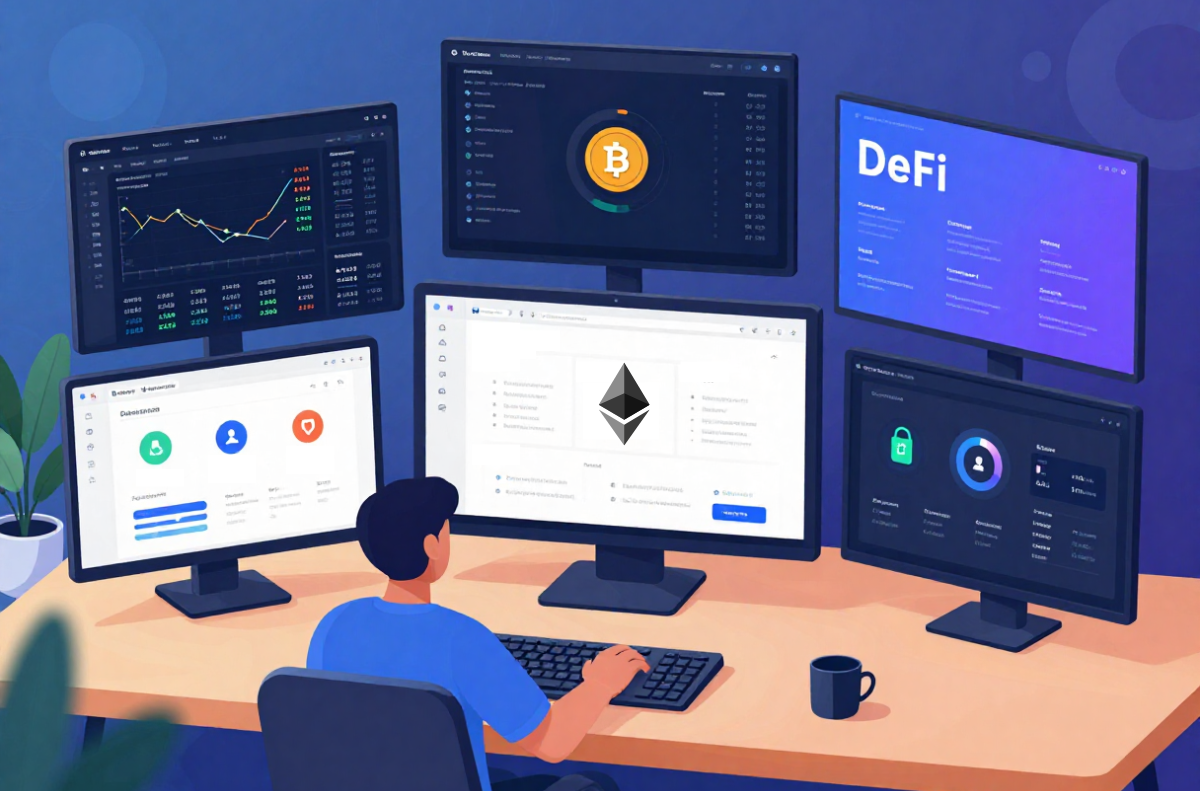
Ethereum is the most established Bitcoin alternative and the backbone of most blockchain-based financial applications. Its smart contract platform supports DeFi protocols, NFT infrastructure, stablecoin issuance, and a wide range of Web3 tools. Most new blockchain projects either build directly on Ethereum or design their systems to be compatible with it.
The introduction of proof-of-stake through the Merge reduced Ethereum’s energy consumption dramatically and created a deflationary pressure on supply through fee burning. For investors who want exposure to the infrastructure layer of crypto rather than just a store of value, Ethereum has the most defensible long-term position of any Bitcoin alternative. Both Coinbase and Kraken offer straightforward access with strong liquidity.
XRP
XRP focuses on a specific problem that Bitcoin was never designed to solve: fast, low-cost settlement between financial institutions across borders. Ripple has spent years building a network of banking and payment partners that use XRP for on-demand liquidity in cross-border transactions.
The resolution of Ripple’s SEC legal dispute improved regulatory clarity significantly for XRP in the United States. That development, combined with growing institutional payment adoption, gives XRP a clearer long-term use case than most assets in the altcoin market. For investors interested in the intersection of crypto and traditional financial infrastructure, XRP represents one of the more credible positions available.
Solana (SOL)
Solana processes thousands of transactions per second at minimal cost, making it a practical platform for applications that require high throughput. Consumer crypto apps, high-frequency DeFi trading, and NFT marketplaces have all found Solana’s performance characteristics better suited to their needs than Ethereum’s base layer.
After recovering strongly from the disruption caused by the FTX collapse in 2022, Solana rebuilt developer activity and user numbers steadily through 2023 and 2024. That recovery demonstrated genuine ecosystem resilience rather than just price recovery. For investors who want exposure to a high-performance layer-1 network beyond Ethereum, Solana has built the strongest case for sustained relevance.
Litecoin (LTC)
Litecoin has operated continuously since 2011, making it one of the oldest Bitcoin alternatives in existence. It processes transactions faster than Bitcoin and at lower fees, which has maintained its use case for everyday payments over more than a decade. Litecoin’s longevity and consistent operation across every market cycle give it a credibility that newer projects simply have not had time to build.
It does not offer smart contracts or DeFi capabilities, but for investors who want a simple, proven payment-focused alternative to Bitcoin with a long track record, Litecoin remains a relevant choice. It trades on every major platform including Binance and Kraken.
What Should Investors Consider Before Buying a Bitcoin Alternative?
Adding Bitcoin alternatives to a portfolio requires a clear framework for evaluation. Here are the key factors that distinguish a well-researched decision from buying based on price movement or social media momentum:
- Understand the specific use case. Each asset on this list does something different. Knowing what problem it solves and who is using it prevents you from holding an asset you do not understand through volatile periods.
- Check real adoption metrics. Active wallet addresses, transaction volumes, and developer activity all indicate genuine usage beyond speculation. Platforms like Messari and CoinGecko display these metrics for most established assets.
- Evaluate the competitive position. Most Bitcoin alternatives operate in categories with multiple competing projects. Understanding why a specific asset has an advantage over its direct competitors helps you assess whether its current adoption is likely to grow or erode.
- Use established exchanges with strong liquidity. Platforms like Coinbase, Binance, and Kraken offer deep liquidity for all the assets listed here, which makes entering and exiting positions at fair prices consistently achievable.
- Store significant holdings offline. A hardware wallet like Ledger or Trezor keeps your assets safe regardless of what happens to any exchange platform. Our guide on top cryptocurrency wallets covers the best storage options available in 2026.
Frequently Asked Questions
What is the best Bitcoin alternative for long-term holding?
Ethereum has the strongest long-term case as a Bitcoin alternative. Its central role in DeFi, NFTs, and Web3 infrastructure creates compounding network effects that support sustained demand over time. XRP and Solana also have credible long-term narratives backed by real-world adoption rather than speculation alone.
Is Ethereum considered a Bitcoin alternative?
Yes. Ethereum serves a fundamentally different purpose than Bitcoin. Bitcoin functions primarily as a store of value and settlement layer. Ethereum operates as programmable infrastructure for decentralized applications. Holding both gives investors exposure to two distinct value drivers within the same asset class.
Can Bitcoin alternatives replace Bitcoin in a portfolio?
No Bitcoin alternative has replaced Bitcoin’s role as the primary store of value and institutional benchmark in crypto. Alternatives complement Bitcoin by adding exposure to different growth drivers. Most experienced investors treat Bitcoin as the core holding and add alternatives selectively based on their specific use cases and risk profiles.
Where should I store my Bitcoin alternative holdings safely?
A hardware wallet like Ledger or Trezor stores private keys offline and protects your holdings from exchange-related risks. Both support a wide range of assets including Ethereum, XRP, Solana, and Litecoin. Our guide on how to choose the best Bitcoin wallet covers the key factors for selecting secure storage across different asset types.