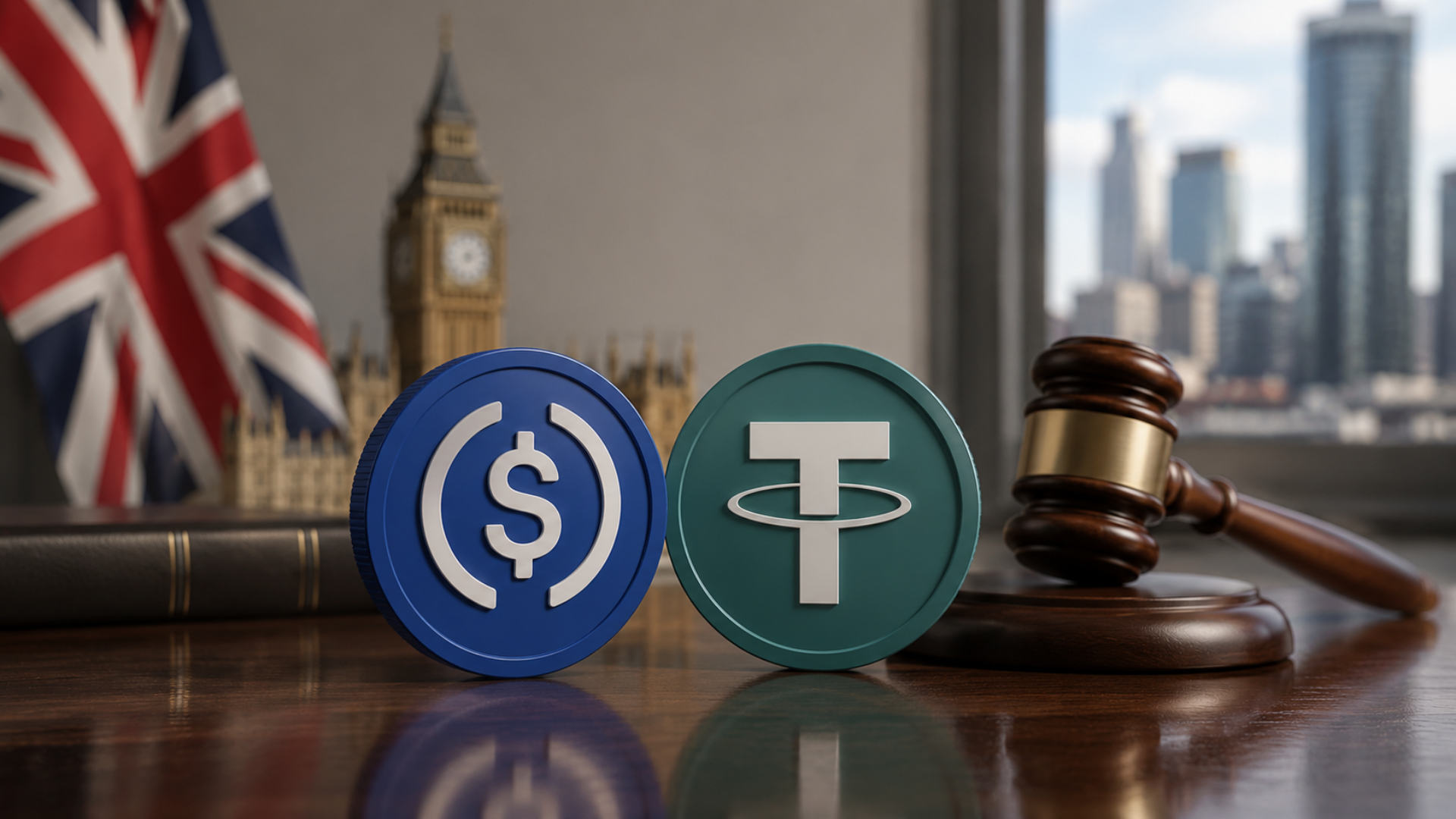
Key Takeaways
- UK stablecoin regulation, the FSMA Cryptoassets Regulations 2026 signed into law on February 4, 2026, making stablecoins a regulated asset class for the first time.
- USDT and USDC remain accessible on UK crypto exchanges, but issuers now face new compliance requirements to operate within UK borders.
- Full enforcement of the regime begins on October 25, 2027, giving firms time to secure FCA authorization.
The Financial Services and Markets Act 2000 (Cryptoassets) Regulations was laid before Parliament on December 15, 2025, and signed into law on February 4, 2026. For stablecoin users and crypto traders in the UK, the change is real. Still, it may not be as dramatic as it first appears.
How Did the UK Stablecoin Regulatory Framework Come Together?
The UK did not rush this process. The UK government published draft legislation in April 2025, with the final legislation expected by the end of that year. The Bank of England and the FCA opened a public consultation on November 10, 2025. That consultation ran until February 10, 2026, with the BoE and FCA planning to publish policy feedback and detailed rules in the first half of 2026.
On February 4, 2026, Parliament formally made the Financial Services and Markets Act 2000 (Cryptoassets) Regulations 2026, bringing cryptoassets within the FCA’s regulatory remit. The new cryptoasset regime is expected to come into full force on October 25, 2027. FCA authorization applications are already open for firms that want to get ahead of the deadline.
What Do the New Rules Actually Require?
The framework targets two distinct areas. One covers issuers and platforms operating within the UK. The other addresses systemic stablecoin risks managed by the Bank of England. Each carries different compliance obligations depending on the issuer’s scope of activity.
What the FCA Now Controls
The FCA now oversees licensing, supervision, and enforcement across all regulated crypto activities. Issuing a qualifying stablecoin within the UK is a regulated activity under FSMA. The following activities now require FCA authorization:
- Issuing qualifying stablecoins within the UK
- Safeguarding qualifying cryptoassets for clients
- Arranging safeguarding services on behalf of another firm
- Operating a qualifying cryptoasset trading platform
Firms currently registered under the Money Laundering Regulations will not be treated as FSMA-authorized and will need to apply for authorization separately. Existing registration does not carry over automatically.
What the Bank of England Is Tracking
The Bank of England focuses on stablecoins that could reach systemic scale in the UK. Foreign stablecoins can operate in the UK, but they remain non-systemic unless they reach large-scale use in sterling payments. The full systemic regime applies only when a token influences the stability of the UK payment system. USDT and USDC do not meet that threshold today. The BoE’s regime is built for a future where stablecoin payments become mainstream in UK finance.
Will USDT and USDC Still Be Available on UK Exchanges?
Yes, and the framework is clear on this point. New rules won’t affect access to USDT or USDC on crypto exchanges. The statute wasn’t designed to outlaw crypto trading.
The change affects what issuers can do inside UK borders. Tether will still be able to issue USDT to British firms through its offshore entities. But if it wants to integrate GBP rails or manage reserve assets from within the UK, it will need to register with the Financial Conduct Authority.
UK users on Kraken, Binance, or Coinbase can continue trading USDT and USDC without any change to access. The rules target issuers and platform operators, not individual users.
How Are Tether and Circle Responding?
Both issuers are adapting, but their regulatory strategies look quite different. Circle has already secured licensing in France for both EURC and USDC under the EU’s MiCA regulation, positioning itself for broader European expansion. Tether’s USDT maintains dominant global market share, though regulatory scrutiny has intensified around reserve transparency and audit practices.
Tether’s USDT and Circle’s USDC have a combined market capitalization of $240 billion, accounting for an 84% market share. Both issuers are also major buyers of US Treasury debt as reserve backing. Tether and Circle purchased $56.6 billion in Treasury holdings between June 2024 and June 2025.
FCA-authorized issuers gain access to GBP payment rails and UK financial institution partnerships. Those without authorization can still serve UK users, but only through offshore entities at reduced operational scope.
What UK Crypto Users Should Expect Next
For everyday traders, the immediate picture stays the same. Platforms are not removing stablecoins. However, the infrastructure around them is shifting fast. The government intends to bring payment services using UK-issued stablecoins into regulated payments as part of its planned payment services reforms.
That opens the door for UK-authorized stablecoins to compete directly with traditional payment rails. As more issuers gain FCA licenses, UK users may see stablecoin payment options embedded in everyday financial products. For context on how crypto regulation fits into the broader market, visit the UTB guides section or explore crypto basics for a solid foundation.
Frequently Asked Questions
What is the FSMA Cryptoassets Regulations 2026?
It is the UK law that formally brought stablecoins and other crypto assets under financial regulation for the first time. Parliament signed it into law on February 4, 2026. Full enforcement begins on October 25, 2027.
Will USDT be delisted from UK crypto exchanges under the new rules?
No. USDT stays accessible on UK exchanges. The new rules affect what Tether can do as an issuer inside the UK, not whether UK traders can hold or trade the token.
Do UK crypto exchanges need a new license under the 2026 framework?
Yes. Operating a qualifying cryptoasset trading platform is now a regulated activity. Exchanges must apply for FCA authorization or use the transitional provisions available until October 2027.
How is the UK stablecoin framework different from MiCA?
The UK framework focuses on issuer authorization and systemic payment risk. MiCA in the EU classifies stablecoins as e-money tokens or asset-referenced tokens with broader reserve, disclosure, and governance requirements. The UK rules are narrower in scope for now but expanding toward full implementation.
Can Tether continue serving UK users without FCA authorization?
Yes, through offshore entities. Tether can issue USDT to UK firms via non-UK legal structures. FCA registration only becomes required if Tether wants to manage UK reserve assets or access GBP payment infrastructure directly.
When will UK users feel the full impact of these regulations?
Most of the changes roll out with full enforcement on October 25, 2027. Between now and then, firms are applying for authorization and building compliance frameworks. For UK users, the experience on exchanges stays largely the same during this transition period.