Key Takeaways:
- Several major platforms offer crypto debit cards that support 10+ cryptocurrencies and multiple fiat currencies
- Cashback rewards range from 1% to 15% depending on the card and your staking commitments
- Regional restrictions apply to most cards, with availability varying significantly between US states and countries
Crypto debit cards bridge the gap between digital assets and everyday spending. You load the card with Bitcoin, Ethereum, or stablecoins, then swipe it anywhere regular cards work. The card converts your crypto to local currency automatically at checkout. No merchant needs to accept crypto directly.
Most platforms now support multiple cryptocurrencies on a single card. You choose which asset to spend from your wallet before each purchase. This flexibility lets you strategically spend appreciated coins or preserve others for long-term holding. Some cards even offer substantial cashback rewards when you stake their native tokens.
Which Platforms Offer Multi-Currency Crypto Cards?
Several established crypto platforms issue debit cards with broad currency support. Each card comes with different features, fees, and geographic restrictions. The right choice depends on where you live and which cryptocurrencies you hold most.
The Crypto.com Visa Card supports 19+ cryptocurrencies and 20+ fiat currencies. You spend directly from your crypto wallet at millions of merchants worldwide. The card offers up to 8% cashback when you stake CRO tokens. Lower tier cards with no staking requirement still provide 1% cashback on all purchases.
Coinbase Card lets US users spend Bitcoin, Ethereum, USDC, and several other cryptocurrencies. The card charges no annual fee and offers up to 4% cashback in select cryptocurrencies. You pick which crypto to spend through the Coinbase app before making purchases. The platform converts your chosen asset to dollars at the current market rate.
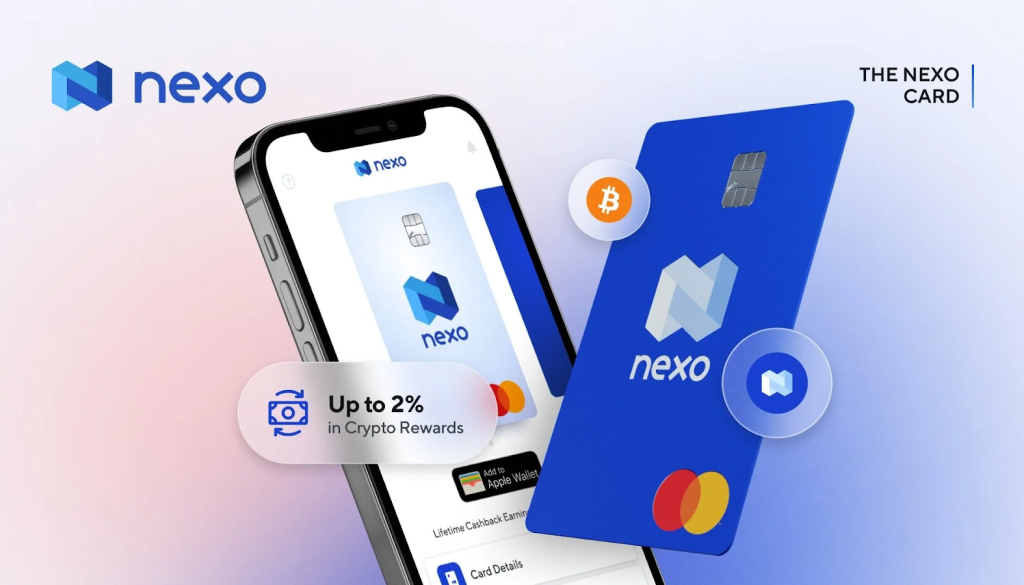
Nexo takes a hybrid approach with its dual-mode card. You can spend crypto directly like a debit card or borrow cash against your holdings like a credit card. This flexibility prevents forced selling during market dips. The card supports major cryptocurrencies and stablecoins across both spending modes.
How Do These Cards Handle Conversions?
Real-time conversion happens at the point of sale. You swipe your card at a coffee shop, and the platform converts crypto to dollars instantly. Exchange rates use the current market price at that exact moment. This means you get fair rates but also exposure to price volatility.
Wirex supports over 150 different crypto and fiat assets on one card. The platform offers up to 8% “Cryptoback” rewards on purchases. You hold multiple cryptocurrencies and fiat currencies in your Wirex account simultaneously. The app lets you switch between assets before spending based on current rates or personal preference.
Bybit Card operates as a Mastercard supporting USDT, BTC, ETH, XRP, and USDC. The platform provides up to 10% cashback and includes auto-savings features. When you spend, the system converts from your chosen cryptocurrency to the merchant’s local currency. This happens behind the scenes without merchant involvement.
What Cashback Rewards Can You Earn?
Cashback programs vary dramatically between cards. Some offer flat rates on all purchases while others tier rewards based on token staking. Understanding the requirements helps you maximize returns on everyday spending.
KAST Card provides up to 15% rewards when you stake SOL tokens. The multi-chain card supports USDC, USDT, and USDe across different blockchains. Higher staking amounts unlock better reward tiers. This makes the card attractive for SOL holders who want passive returns alongside spending benefits.
The Crypto.com card tiers its rewards based on CRO staking:
- No stake required: 1% cashback
- $400 CRO stake: 2% cashback plus Spotify reimbursement
- $4,000 CRO stake: 3% cashback plus Netflix reimbursement
- $40,000 CRO stake: 5% cashback plus airport lounge access
- $400,000 CRO stake: 8% cashback plus private jet benefits
Coinbase Card offers simpler flat-rate rewards without staking requirements. You earn 1% back in Bitcoin or 4% in Graph Token or Stellar Lumens. This straightforward approach works better for users who don’t want to lock up capital in platform tokens. For more on using crypto for everyday transactions, see our guide on converting crypto to cash.
Do Conversion Fees Eat Into Rewards?
Hidden fees can wipe out cashback benefits quickly. Most cards charge 1-3% for crypto-to-fiat conversion at purchase. This happens automatically and isn’t always clearly disclosed upfront. Reading fee schedules carefully prevents unpleasant surprises.
Bitget Wallet Card advertises a comprehensive 1.7% fee covering all conversion and transaction costs. This transparency helps you calculate real returns after accounting for expenses. The stablecoin-focused card works as a prepaid product, meaning you load funds before spending.
Some platforms waive conversion fees for stablecoin spending. Using USDC or USDT instead of Bitcoin eliminates conversion spreads. The card converts stablecoins at 1:1 rates to dollars. This makes stablecoins the most cost-effective option for routine purchases on many cards.
Where Do These Cards Actually Work?
Geographic restrictions limit which cards you can access. US availability remains particularly fragmented due to state-level money transmission regulations. Always verify your specific location before applying for any crypto card.
Coinbase Card serves most US states but excludes Hawaii. The platform holds proper licensing in the jurisdictions where it operates. Verification requirements are straightforward for residents in supported states. Processing times typically run 7-10 business days for card delivery.
Wirex restricts New York residents due to the state’s BitLicense requirements. The card works throughout most of Europe, Asia, and other US states. International spending typically works better with Wirex than some US-focused alternatives. The platform handles multiple fiat currencies natively without extra conversion steps.
Bybit Card currently limits service to the European Economic Area and Australia. US users cannot access this card regardless of state. The geographic restrictions reflect Bybit’s regulatory approach and licensing strategy. Users in supported regions praise the card’s competitive cashback rates.
What About International Travel?
Multi-currency support becomes valuable when traveling abroad. Traditional cards charge 3% foreign transaction fees plus unfavorable exchange rates. Crypto cards eliminate these markups by converting directly from your crypto wallet to local currency.
The Crypto.com card charges no foreign transaction fees in any country. You spend euros in France, yen in Japan, and pounds in the UK without extra charges. The card converts your chosen cryptocurrency to the local currency at interbank rates. This saves significant money compared to traditional travel cards.
Some platforms let you pre-load multiple fiat currencies. You convert crypto to euros, pounds, and dollars before traveling. This locks in exchange rates and eliminates conversion at the point of sale. The strategy works well when you anticipate spending in specific currencies. Learn more about international crypto transfers in our guides on sending money to Mexico and sending money to India.
How Do Custodial and Non-Custodial Cards Differ?
Most crypto cards operate on custodial models. The platform holds your crypto in their wallets until you spend it. You trust the company with your assets in exchange for convenience and integrated features. This matches how traditional debit cards work with banks.
Cypher Card offers a non-custodial alternative supporting 1000+ tokens across 15+ blockchains. You maintain control of private keys until the moment of transaction. The card accesses your self-custody wallet only when you approve specific purchases. This approach maximizes security but adds friction to the spending process.
Nexo custody includes insurance coverage up to $775 million through BitGo and other providers. The platform segregates user assets from company funds. While technically custodial, these protections reduce counterparty risk substantially. You get convenience without completely sacrificing security.
Which Model Fits Your Needs?
Custodial cards work better for everyday spending with minimal hassle. You load crypto once and spend freely without signing transactions. The streamlined experience mirrors traditional banking, making it accessible for crypto newcomers. Most users accept custodial trade-offs for this convenience.
Non-custodial options suit security-focused users willing to sacrifice ease of use. Each purchase requires wallet interaction and transaction approval. This added step prevents unauthorized spending even if someone steals your physical card. The approach makes sense for large holdings but feels cumbersome for small purchases. For wallet security best practices, check our comprehensive guide on understanding wallet security.
What Fees Should You Watch For?
Fee structures go beyond simple conversion charges. Monthly fees, ATM withdrawal costs, and inactivity penalties all impact real returns. Breaking down the complete fee schedule helps compare cards accurately.
Annual or monthly card fees range from $0 to $50 depending on the tier. Crypto.com charges no monthly fees on any tier. Coinbase Card similarly operates without annual costs. These zero-fee structures make both cards accessible regardless of spending volume.
ATM withdrawal fees typically run $2-3 per transaction plus potential currency conversion charges. Some cards offer free ATM withdrawals up to monthly limits. Exceeding these limits triggers per-transaction fees. Using ATMs for large cash withdrawals becomes expensive quickly on most crypto cards.
Inactivity fees appear on some cards after 6-12 months without transactions. The charge usually runs $5-10 monthly once triggered. Simply making one small purchase every few months avoids these penalties completely. Check specific terms before letting any crypto card sit unused long-term.