Key Takeaways:
- Multiple specialized platforms help US crypto users calculate capital gains and generate IRS forms automatically
- Most tools integrate directly with TurboTax and H&R Block for seamless tax filing
- Pricing ranges from free tiers for basic tracking to premium services with professional CPA support
Filing crypto taxes used to mean tracking every trade manually in spreadsheets. One DeFi swap or NFT purchase could take hours to calculate correctly. The IRS expects accurate capital gains reporting on every transaction, which becomes impossible when you’re making dozens of trades across multiple platforms.
Specialized crypto tax software changed this completely. These tools connect to your exchanges and wallets automatically. They pull transaction history, calculate cost basis using IRS-approved methods, and generate the exact forms you need. Some even offer professional tax services for complex situations involving staking rewards or cross-chain bridges.
Which Tools Work Best for Regular Crypto Users?
Several platforms dominate the US market for individual crypto investors. Each one approaches tax reporting differently based on features, pricing, and the complexity they can handle. Most support hundreds of exchanges and generate standard IRS forms.
CoinLedger stands out for beginners and casual traders. The platform formerly operated as CryptoTrader. Tax before rebranding. You connect your exchanges, review transactions, and download tax reports in minutes. The software pipes directly into TurboTax, TaxAct, and H&R Block without manual data entry.
CoinTracker partners officially with Coinbase and supports over 500 exchanges and wallets. The platform tracks your portfolio in real-time while preparing tax reports in the background. You see unrealized gains alongside completed transactions that need reporting. This dual purpose makes it popular for active traders who want ongoing portfolio visibility.
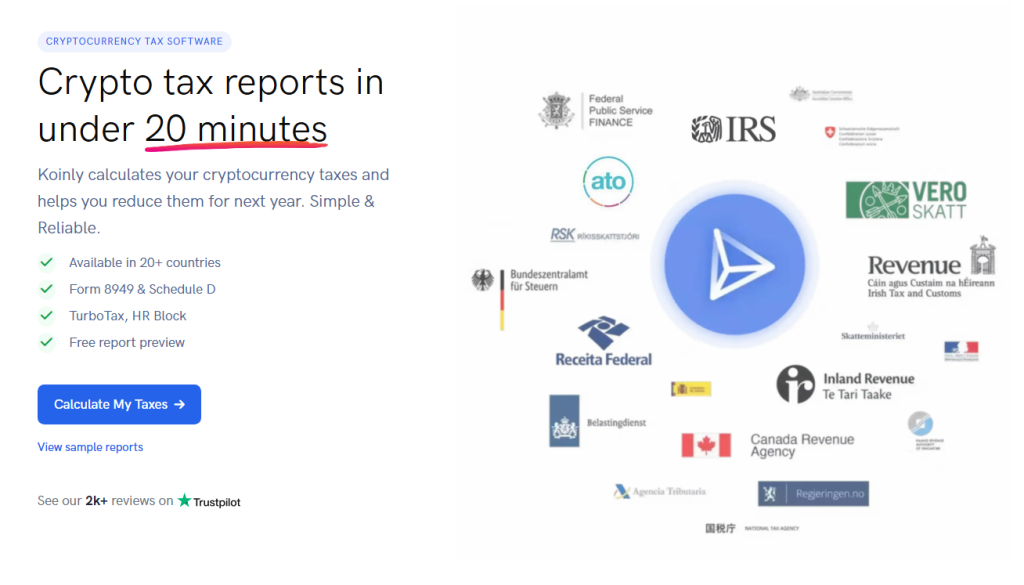
Koinly handles 800+ integrations including obscure DeFi protocols and NFT marketplaces. The interface shows your tax liability before you pay anything. You calculate gains and losses for free, then pay only when downloading official reports. This try-before-you-buy approach helps users verify accuracy first.
How Do These Platforms Handle Complex Transactions?
DeFi activity creates messy tax situations. Liquidity pool deposits, yield farming rewards, and wrapped tokens all trigger taxable events. Traditional accounting software can’t categorize these transactions properly.
Summ, formerly called CryptoTaxCalculator, specializes in complex DeFi reporting. The platform supports 3,500+ sources and breaks down transactions into detailed categories. You see exactly how each swap, stake, or liquidity provision gets reported. This granular approach prevents mistakes that could trigger IRS audits.
TokenTax combines software with professional tax services. High net worth individuals and traders with complicated portfolios use this hybrid model. The platform includes access to CPAs who understand crypto-specific tax issues. You’re not just getting software but actual professional guidance through tricky situations.
ZenLedger offers a similar “Do It For You” service where professional CPAs handle everything. You upload transactions and their team reviews, categorizes, and prepares your complete tax filing. This white glove service costs more but eliminates stress for people managing significant crypto holdings.
What Features Should You Look For?
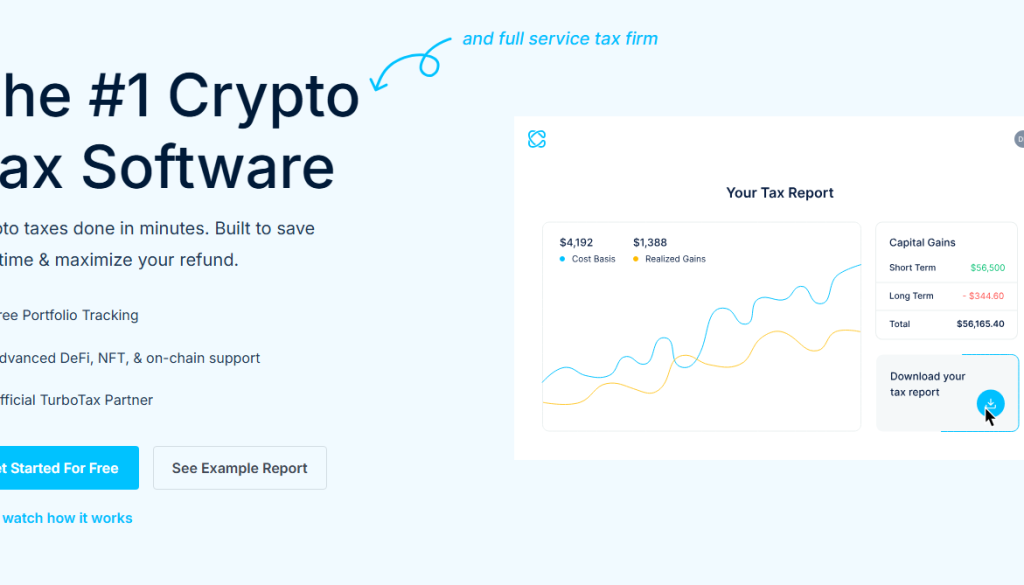
Tax software needs specific capabilities to handle crypto correctly. The IRS requires particular reporting formats and calculation methods. Your chosen platform should support all the tax forms and integrations you need.
Every legitimate crypto tax tool generates Form 8949 and Schedule D automatically. Form 8949 lists each transaction with dates, proceeds, cost basis, and gains. Schedule D summarizes this information for your main tax return. Both forms must match exactly or the IRS rejects your filing.
Here’s what separates good crypto tax software from great options:
- Direct integration with major tax filing software like TurboTax and H&R Block
- Support for multiple cost basis methods including FIFO, LIFO, and HIFO
- Automatic categorization of transaction types like trades, income, and gifts
- Reconciliation of 1099-DA forms issued by exchanges starting in 2026
- Historical price data for accurate fair market value calculations
CoinPanda offers a generous free tier for users with under 25 transactions. This works well for crypto holders who buy occasionally and rarely sell. You track everything year-round and generate reports at tax time without paying monthly fees.
Do These Tools Support All Transaction Types?
Modern crypto investing goes beyond simple buy and sell trades. Staking rewards, airdrops, mining income, and NFT sales all create different tax obligations. Your reporting tool needs to recognize and categorize each type correctly.
Koinly handles NFTs and DeFi transactions alongside regular trading. The platform recognizes OpenSea sales, Uniswap swaps, and Aave lending automatically. You don’t manually categorize thousands of transactions when the software identifies patterns correctly.
Awaken Tax specializes in Solana on-chain activity. The platform tracks Jupiter swaps, Marinade staking, and other Solana DeFi protocols that larger competitors miss. If you’re deep into a specific blockchain ecosystem, specialized tools often work better than general solutions.
Blockpit, which acquired Accointing, now serves US users with solid tracking features. The platform combines portfolio management with tax reporting in one interface. You monitor performance and prepare tax documents without switching between multiple tools. For more on portfolio tracking, see our guide to the best crypto portfolio trackers.
How Much Do These Services Cost?
Pricing varies widely based on transaction volume and features. Most platforms charge annual fees that increase with the number of trades you make. Free tiers exist but usually cap transactions at 25-100 per year.
- CoinLedger starts around $49 annually for basic plans covering a few hundred transactions. Power users with thousands of trades pay $199 or more. The platform charges once per tax year, not monthly. You access the software year-round even after paying for a single tax season.
- CoinTracker offers a freemium model with ongoing portfolio tracking. Basic tax reports cost around $59 annually. Premium plans with priority support and unlimited transactions run $199-$299 per year. The continuous portfolio tracking justifies higher costs for active traders.
- Bitcoin.Tax positions itself as a budget-friendly option. The platform focuses purely on tax calculations without extra features like portfolio management. Plans start at $40 annually for simple situations. This no-frills approach works well for users who just need basic Form 8949 generation.
What About Professional Services?
Some situations require human expertise beyond software automation. Complicated DeFi strategies, business crypto income, or large portfolios benefit from professional review. Several platforms offer CPA services alongside their software.
TokenTax includes professional support at higher tier pricing. You get software access plus consultations with crypto-specialized CPAs. They review your transactions, suggest tax-saving strategies, and ensure everything complies with current IRS guidance. This hybrid approach costs more but reduces audit risk significantly.
ZenLedger’s full-service option assigns a dedicated CPA to your account. The professional handles everything from transaction categorization to final filing. You pay a premium but get peace of mind that an expert reviewed your complete tax situation. This makes sense for portfolios over $100,000 in crypto assets. Learn more about crypto-friendly professional services in our resources section.
How Do These Tools Handle IRS Form 1099-DA?
Starting in 2026, crypto exchanges must issue Form 1099-DA to users and the IRS. This form reports your total proceeds from digital asset sales. The problem is that exchanges only see transactions on their own platform, creating potential mismatches with your actual tax liability.
CoinLedger and Summ both reconcile 1099-DA forms automatically. You upload the forms from each exchange you used. The software compares them against your complete transaction history across all platforms. It identifies discrepancies and generates explanations for any differences.
This reconciliation prevents double taxation or underreporting. If you transferred Bitcoin from Coinbase to Kraken before selling, only you know the complete transaction chain. Exchange-issued 1099-DA forms don’t capture transfers between platforms. Your tax software must piece together the full picture using data from all sources.
Koinly flags potential issues where your calculated gains differ from 1099-DA reported amounts. The platform generates supporting documentation explaining why numbers don’t match. This becomes critical if the IRS questions your filing later. Having clear reconciliation records protects you during audits.
Which Platform Fits Different User Types?
Your ideal tax software depends on trading volume and complexity. Casual holders need different features than DeFi power users or professional traders. Matching your situation to the right tool saves both money and headaches.
Beginners with simple buy-and-hold strategies should start with CoinLedger or CoinPanda. Both offer straightforward interfaces and affordable pricing. You won’t pay for advanced features you don’t need. The learning curve stays minimal even for people new to crypto taxes.
Active traders making hundreds of transactions benefit from CoinTracker or Koinly. These platforms handle high transaction volumes efficiently. Real-time portfolio tracking adds value beyond just tax season. You monitor performance continuously while staying tax-ready throughout the year.DeFi users and NFT collectors need specialized support from Summ or Awaken Tax. These platforms understand complex transaction types that confuse general-purpose tools. Proper categorization of liquidity provisions, wrapped tokens, and NFT royalties requires domain expertise built into the software. For wallet management tips, check our guide on how to backup and restore a crypto wallet.