
Key Takeaways:
- Licensed money transfer services like Wise and Remitly offer the best balance of speed, cost, and safety for most people to send money home
- Mobile money platforms complete transfers in minutes at the lowest fees, making them ideal for recipients in developing countries with smartphone access
- Always verify that a service holds proper licenses in both your country and the recipient’s country before sending any money
Sending money to family overseas used to mean one thing: walking into a bank or Western Union office. That was pretty much it for options. Fast forward to today, and you’ve got mobile apps, crypto wallets, and digital platforms all competing for your business.
Here’s a number that shows how massive this really is. People sent over $800 billion across borders in 2024 alone. That money covers everything back home, like rent, kids’ school fees, medicine, and daily groceries. And everyone worries about the same thing: will my hard-earned money actually get there safely?
What Are Your Safest Options to Send Money Home?
You’ve got five solid choices that won’t leave you sweating at night. Each option brings different advantages depending on what matters most to you: speed, cost, security, or convenience.
Traditional Banks
Banks give you serious security through SWIFT networks and protect deposits up to $250,000 with FDIC insurance. The downside is they’re slower, taking anywhere from one to five days, and they charge more than other options. Choose banks when you care more about maximum security than saving money or getting faster speeds.
Licensed Money Transfer Services
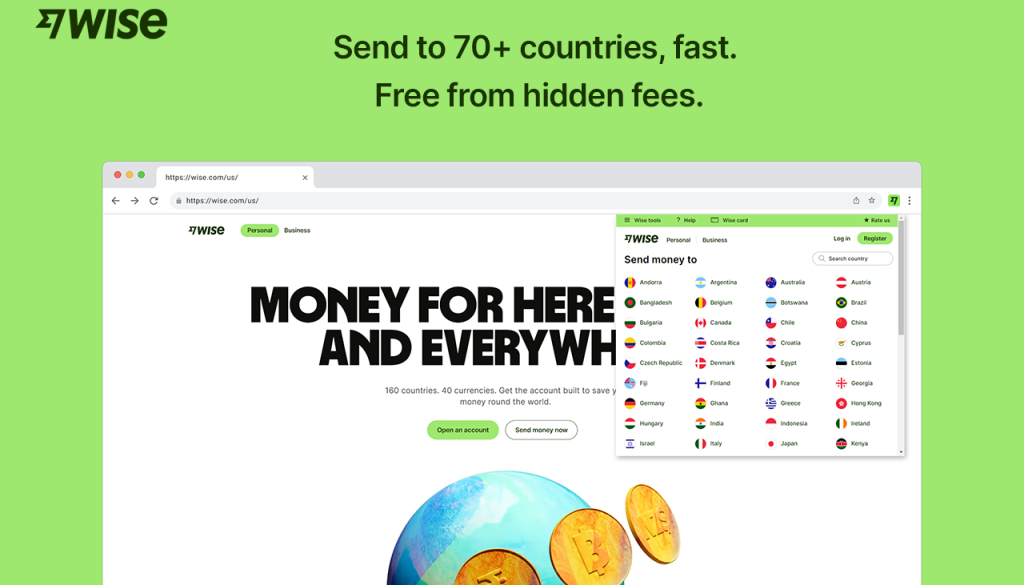
Companies like Western Union, Wise, and Remitly hit that sweet spot between speed, cost, and protection. These companies register as Money Service Businesses and follow strict anti-money laundering rules. Most transfers land within hours, and you’ll pay way less than what banks charge for the same service.
Regulated Cryptocurrency Platforms
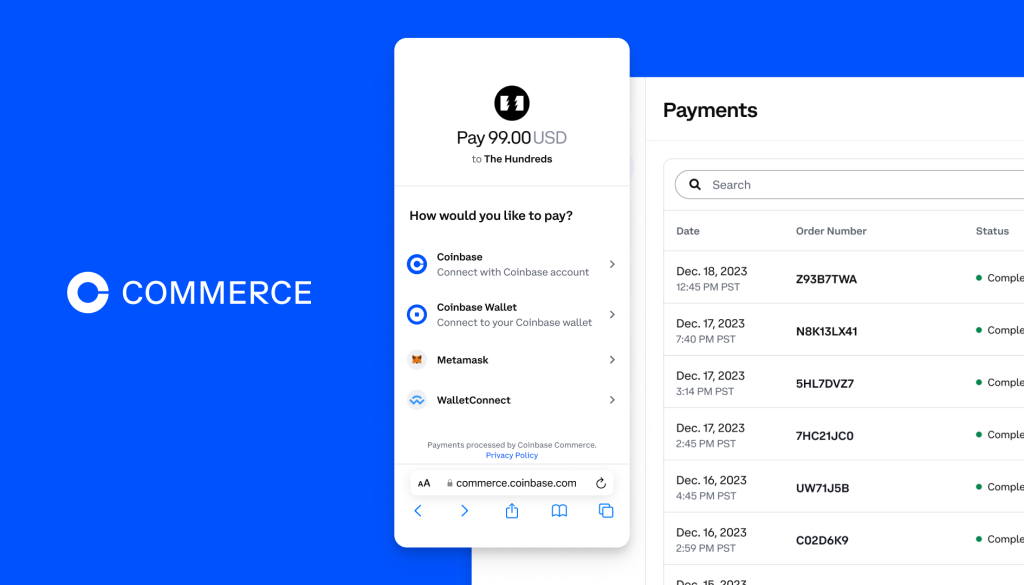
Platforms like Coinbase Commerce and Strike work incredibly fast, sometimes completing transfers within minutes. They hold proper licenses as virtual asset providers and verify identities just like traditional services. Just watch out for price swings in crypto values. Stick with services that lock your exchange rate when you start the transfer to avoid surprises.
Mobile Money Services
Mobile money wins big in places like Kenya, the Philippines, or Bangladesh, where banking infrastructure is limited. Apps like M-Pesa, GCash, and bKash need central bank approval to operate legally. Money goes straight to someone’s mobile wallet, takes just minutes, and costs the least of any option available.
Government-Backed Remittance Programs
Programs like PESONet in the Philippines or Directo a México work great for specific country routes. They offer excellent security with competitive rates, though the catch is that they don’t cover everywhere.
How Do Traditional Banks Keep Your Money Transfers Safe?
Banks have moved money internationally for decades using the SWIFT network, which connects thousands of financial institutions worldwide. Multiple government agencies watch every move banks make, ensuring they follow strict regulations.
Your transfers get protected through several security layers:
- Encryption scrambles your account information so nobody can intercept it during transmission
- Two-factor authentication means hackers can’t access your account even if they guess your password
- Fraud monitoring systems catch unusual transaction patterns before problems escalate
- FDIC insurance covers up to $250,000 if something goes seriously wrong
The frustrating part is the speed, or lack of it. Banks take their time because they must check every international transfer for money laundering and terrorism financing activities. Your money often bounces between different intermediary banks before reaching its final destination.
Which Licensed Money Transfer Services Offer the Best Protection?
Remittance-focused companies have captured huge market share over the past decade. Companies like Western Union, MoneyGram, and Wise operate under strict licensing requirements in multiple countries simultaneously.
Why Licensing Matters for Your Money
Licensed operators must meet specific requirements that protect your transfers:
- Capital reserves ensure they can cover all customer transfers, even during financial difficulties
- Regular audits by government authorities verify that their operations stay compliant
- Separated funds keep your money separate from their business operating capital
- Transparent pricing with upfront disclosure of all fees and exchange rates
Digital-first platforms like Wise, Remitly, and WorldRemit designed their entire systems for smartphones and web browsers from the ground up. They consistently beat banks on exchange rates by showing the actual mid-market rate plus a transparent markup fee. Transfers that historically took three to five days are now completed in just a few hours.
Can Cryptocurrency Services Be Safe for Remittances?
Crypto-based remittances have exploded in popularity over the past couple of years, promising lower fees and lightning-fast transfers. This works especially well for countries where traditional banking infrastructure barely exists or charges extremely high fees.
Several crypto companies now operate under proper regulations. Platforms like Coinbase Commerce and Strike hold real licenses in multiple jurisdictions as virtual asset service providers. They verify user identities and monitor transactions for suspicious activity, just like traditional financial institutions.
The process works pretty simply for end users. Your local currency converts to cryptocurrency, zips across the blockchain network in minutes, then converts back to local currency at the destination. Your family member never actually touches or sees any crypto at all.
Price volatility creates the biggest concern with crypto services. Cryptocurrency values can swing dramatically within hours or even minutes. Some services lock in your exchange rate the moment you initiate the transfer. Others apply whatever rate exists at the exact moment of final conversion.
Which Red Flags Should You Watch For?
Not every service promising safe transfers can actually deliver on those promises. You need to spot warning signs before risking your money.
Watch out for these red flags:
- Missing license information on their website or mobile app
- Unbelievable rates with zero fees mean they’re hiding costs in terrible exchange rates
- Complaint patterns about delayed transfers or lost money on review sites
- Vague answers when you ask about regulatory compliance
Test any new service with a small amount first before committing to larger transfers. Most countries maintain public databases of licensed money businesses. The US has FinCEN’s MSB Registry, while UK residents can verify through the FCA register.
How Do You Choose the Right Service for Your Needs?
Your specific situation determines which service works best for you. Several factors should guide your decision.
Think carefully about where your recipient lives first, because some services cover certain countries better than others. Mobile money platforms dominate in East Africa, while traditional services might be your only reliable option in remote rural areas.
Calculate total costs, including both upfront fees and exchange rate markups. Figure this out as a percentage of your sending amount, then compare across multiple services. Check what support options exist if problems arise. Can you actually reach someone by phone, or are you stuck with slow email responses?
Consider how your recipient will physically receive the money. Bank deposits, cash pickups, mobile wallets, and home delivery all work quite differently. Always verify the service holds proper licenses in both countries involved, because that’s your legal protection if anything goes wrong.