Key Takeaways:
- The right cryptocurrency to buy depends on your personal goals, timeline, and risk tolerance
- Bitcoin and Ethereum remain the most established options for lower-risk exposure to the market
- Researching a project’s use case, team, and tokenomics separates informed picks from costly guesses
Crypto investing has never had more options to sort through. Thousands of coins and tokens exist across hundreds of blockchains, and new projects launch every single week. That makes the question “what cryptocurrency to buy” harder to answer than it used to be, and the noise online makes it even harder to cut through to what actually matters.
The good news is that a clear framework makes the decision far more manageable. You don’t need to analyze every project on the market. You need to understand what you’re actually looking for before you put a single dollar in.
What Should You Consider Before Buying Any Cryptocurrency?
Getting clear on your own situation is the most important step before picking any specific coin. Two people with different goals can look at the same coin and make completely opposite decisions, and both can be right for their own circumstances. Before buying anything, work through these core questions honestly.
- What is your goal? Long-term wealth building looks very different from short-term trading or simply experimenting with blockchain technology for the first time.
- How much risk can you handle? Crypto markets move fast and swing hard, and smaller coins carry far more volatility than established ones.
- How long do you plan to hold? Your time horizon shapes which assets make sense for your portfolio more than almost any other factor.
- How much time can you put into research? Some projects need active monitoring, while others work well as a set-and-forget position once you’ve done your initial homework.
Your answers to these questions should shape every buying decision you make going forward, so take them seriously before jumping in.
Which Cryptocurrencies Are Worth Looking At?
The crypto market covers a wide range of assets, and they don’t all behave the same way or serve the same purpose. Grouping them by category helps you narrow down your options faster and with far less confusion about where to start.
Why Do Most Investors Start With Bitcoin?
Bitcoin is the oldest and most widely held cryptocurrency in the world. It has the largest market cap, the deepest liquidity, and the strongest institutional backing of any crypto asset available today. For someone entering the space for the first time, Bitcoin carries less speculative risk than newer and less-established projects.
Bitcoin also has a fixed supply of 21 million coins, and that built-in scarcity has made it a popular choice as a long-term store of value. It’s the closest thing crypto has to a blue-chip asset, and that reputation has held up through multiple full market cycles over more than a decade.
Where Does Ethereum Fit In?
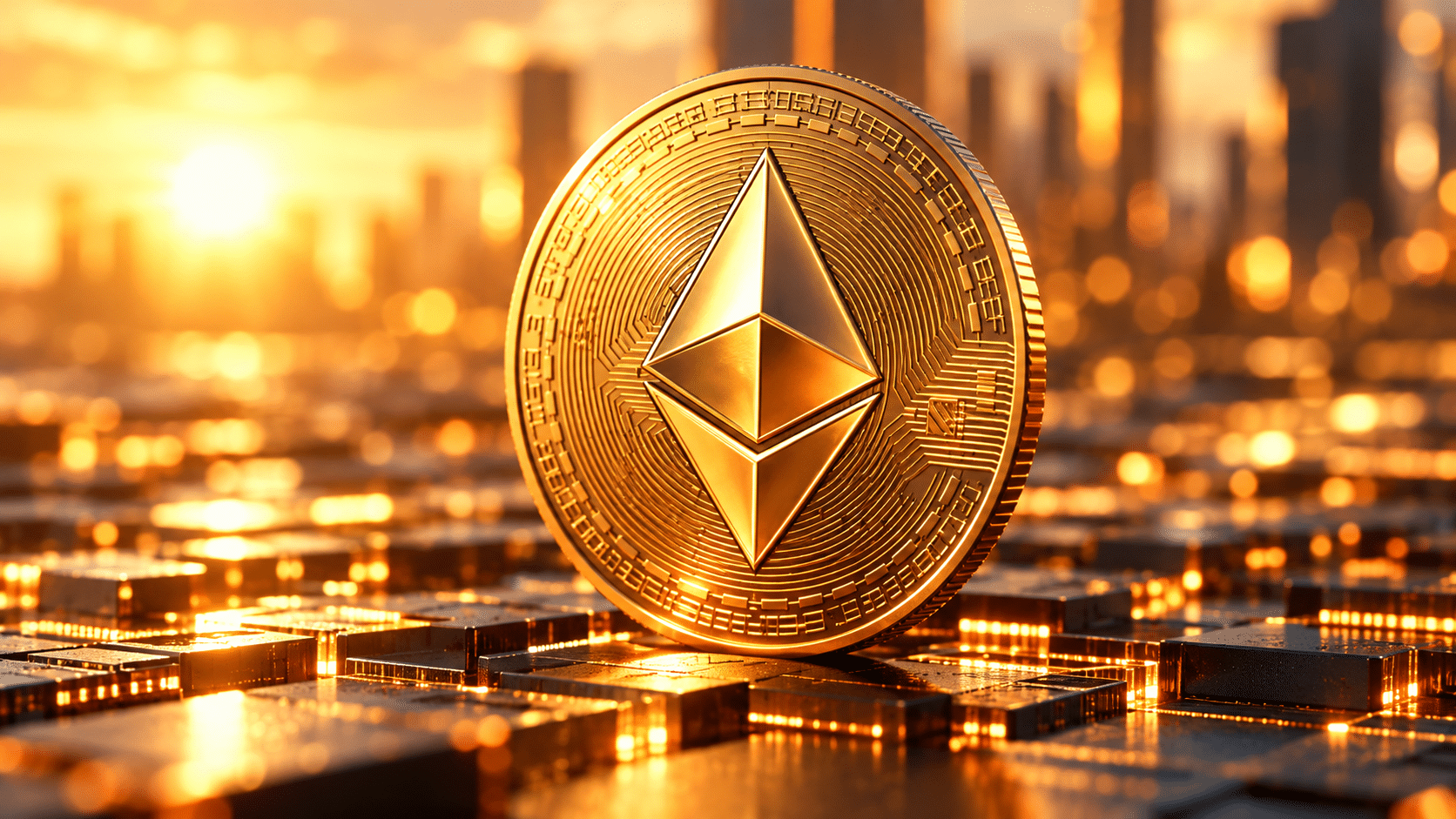
Ethereum is the second-largest cryptocurrency by market cap and the foundation that most decentralized applications are built on. Smart contracts, DeFi platforms, and NFT marketplaces all run primarily on Ethereum’s network, making it far more than just a currency.
Buying Ethereum gives you exposure to the broader crypto ecosystem rather than just a single asset. As blockchain-based applications continue to grow in adoption, Ethereum’s network activity tends to grow alongside them, which drives ongoing demand for the asset.
What About Altcoins and Newer Projects?
Altcoins cover everything outside of Bitcoin. Some, like Solana or Chainlink, have strong technical foundations and real use cases that justify serious attention. Others exist purely for speculation with little to no actual utility backing up their price.
When you evaluate any altcoin, focus on these factors before committing any money to it:
- Use case: Does the project solve a real problem, or is it a copy of something that already exists and works better elsewhere?
- Team: Are the developers public and experienced, and do they have a verifiable track record in the space?
- Tokenomics: How is the coin distributed, and are large portions held by insiders who could sell off suddenly and tank the price?
- Community and activity: Is there genuine development activity on GitHub, and is the community growing on its own without heavy paid promotion?
Skipping this research on smaller coins is one of the most common and costly mistakes that new investors make when chasing fast gains.
How Do You Actually Buy Cryptocurrency?
Once you’ve decided what cryptocurrency to buy, the next step is choosing where to buy it. Most beginners start with a centralized exchange because these platforms are user-friendly and support a wide range of assets right from the start.
Platforms like Coinbase and Binance let you buy crypto with a bank account or card after completing identity verification. For more experienced users, decentralized exchanges like Uniswap let you trade directly from a private wallet without providing personal information to any company or intermediary.
After buying, storing your crypto in a personal wallet rather than leaving it on an exchange significantly reduces your custodial risk. A hardware wallet offers the strongest protection for long-term holders who don’t need frequent access to their funds. You can compare popular storage options in this crypto wallet guide.
What Are the Most Common Mistakes to Avoid?
Even experienced investors fall into predictable traps, and knowing them in advance can save you a significant amount of money and frustration.
- Buying based on hype alone: If a coin trends on social media without clear fundamentals behind it, that’s a red flag worth taking seriously, not a signal to buy in fast.
- Putting everything into one asset: Spreading across a few established projects reduces the impact of any single loss on your overall portfolio balance.
- Ignoring fees and taxes: Transaction fees and capital gains taxes affect your real returns in ways that add up quickly, so factor them in from the very start.
Frequently Asked Questions
What is the safest cryptocurrency to buy?
Bitcoin is generally considered the lowest-risk option because of its age, liquidity, and strong institutional adoption. However, no cryptocurrency is entirely without risk, and market conditions can shift quickly in ways that affect even the most established assets.
Should beginners buy Bitcoin or Ethereum?
Both are solid starting points for new investors entering the space. Bitcoin is simpler to understand as a store of value, while Ethereum offers broader exposure to the crypto ecosystem and the growing world of decentralized applications and DeFi.
How much money should you start with in crypto?
Start with an amount you’re fully comfortable losing, because that’s a real possibility in this market. Many investors begin with a small fixed amount and increase their position gradually as they gain experience and a clearer understanding of how individual assets behave.
Is it better to buy one cryptocurrency or several?
Spreading across two or three established assets reduces your risk compared to concentrating everything into a single coin. Diversification within crypto still carries market-wide risk during broad downturns, but it limits the damage that any one asset’s poor performance can do to your overall position.