Key Takeaways:
- The crypto market operates 24/7 across centralized and decentralized exchanges worldwide with no central authority
- Market capitalization, trading volume, and Bitcoin dominance are the most useful metrics to track regularly
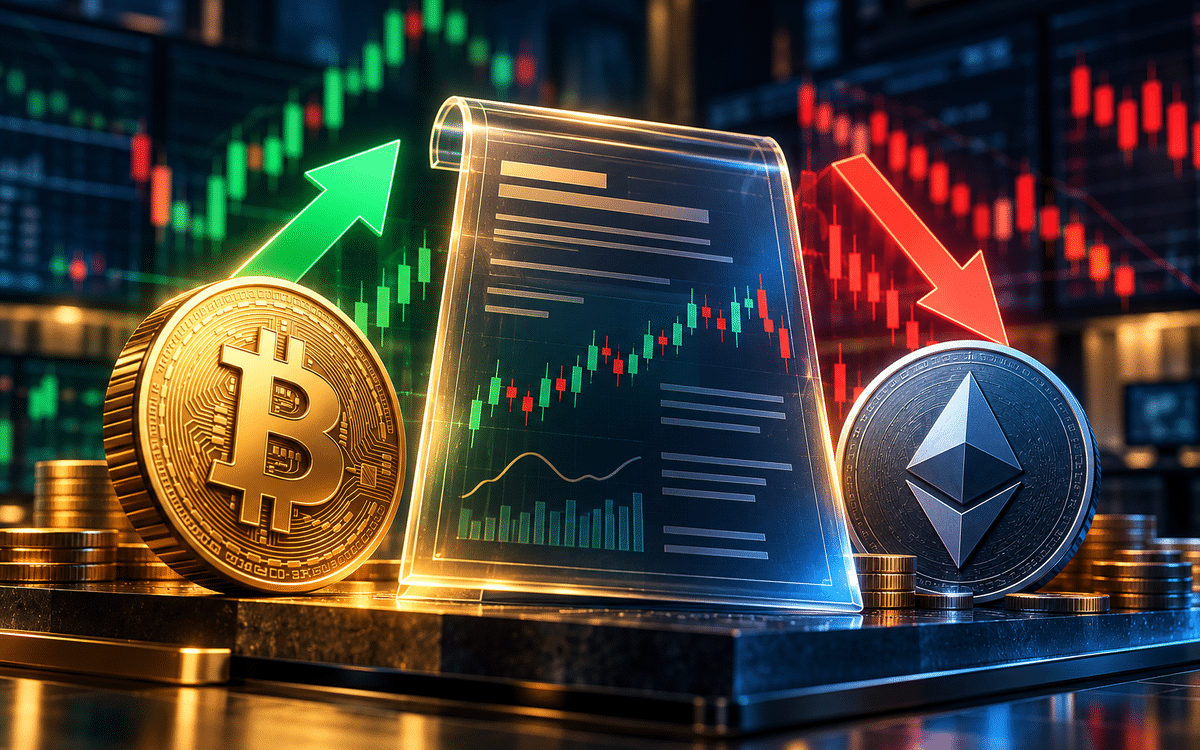
- Bitcoin’s price movements still influence the broader crypto market more than any other single asset
The crypto market has grown from a niche corner of the internet into a multi-trillion dollar financial ecosystem that reaches every corner of the globe. It runs around the clock, seven days a week, across every time zone, with no closing bell and no single institution setting the rules for everyone else. For investors and curious observers alike, understanding how this market actually works is the first step toward participating in it wisely and without getting caught off guard.
What Is the Crypto Market and How Does It Operate?
The crypto market is the global network of platforms and users that buy, sell, and trade cryptocurrencies at any given moment. It includes thousands of digital assets, from Bitcoin and Ethereum down to small-cap tokens with tiny communities and limited trading history behind them.
Unlike stock markets, no central exchange or regulator controls the entire crypto market. Prices form through supply and demand across many platforms simultaneously, which is why you’ll often spot small price differences between exchanges when you look closely at the numbers.
What Are Centralized and Decentralized Exchanges?
Two types of platforms make up the backbone of the crypto market, and each one works quite differently in terms of access, control, and responsibility placed on the user.
Centralized exchanges (CEXs) like Binance and Coinbase act as intermediaries between buyers and sellers on the platform. You create an account, complete identity verification, and trade through the platform’s order books with the exchange holding custody of your funds. CEXs offer higher liquidity, faster execution, and customer support options, making them the natural starting point for most new participants entering the market for the first time.
Decentralized exchanges (DEXs) like Uniswap run on smart contracts without any company managing the process in the middle. You connect your personal wallet and trade directly with other users on the network, keeping full control of your own funds throughout. DEXs offer more privacy and earlier access to new tokens, but they come with a steeper learning curve and significantly more personal responsibility for managing your own security.
What Metrics Actually Tell You About the Crypto Market?
Reading the crypto market starts with understanding the numbers that actually mean something. Many beginners focus only on price, but price alone doesn’t give you the full picture of what’s really happening across the market at any given time.
Here are the key metrics worth tracking on a regular basis:
- Market capitalization: This is the total value of all coins in circulation for a given asset, calculated by multiplying the current price by the circulating supply. A higher market cap generally signals a more established and widely held asset with greater liquidity.
- Trading volume: Volume shows how much of an asset changed hands in a given period. High volume during a price move signals stronger conviction behind that move, while low volume during a price spike can indicate a weak or potentially manipulated push.
- Bitcoin dominance: This measures Bitcoin’s share of the total crypto market cap. When Bitcoin dominance rises, investors typically move capital into Bitcoin and away from smaller assets. When it falls, capital tends to flow toward altcoins in what traders call “altseason.”
- Total Value Locked (TVL): For DeFi platforms, TVL measures how much crypto users have deposited into protocols. Rising TVL signals growing confidence in decentralized finance applications and reflects real user activity rather than just speculative price movement.
Tracking these metrics together gives a much clearer picture of market health than any single number on its own. You can monitor all of them in real time on platforms like CoinGecko or CoinMarketCap.
What Drives Crypto Market Cycles?
The crypto market moves in cycles, and those cycles follow recognizable patterns even when the exact timing shifts from one period to the next. Understanding what fuels them helps you interpret current market conditions more clearly and avoid making emotionally driven decisions during volatile stretches.
How Does Bitcoin Influence the Broader Market?
Bitcoin still sets the tone for the entire crypto market in a way that no other asset currently does. When Bitcoin’s price drops sharply, most altcoins fall harder and faster in response. When Bitcoin rallies, altcoin markets typically follow with a short delay. This relationship has held consistently across multiple full market cycles and continues to shape how traders and investors approach the broader market.
Bitcoin’s four-year halving cycle also plays a significant role in these larger patterns. Every four years, the reward miners receive for processing transactions gets cut in half, reducing the rate at which new Bitcoin enters circulation. Historically, halving events have come before major price increases as reduced supply meets sustained or growing demand from buyers. You can read more about this in our Bitcoin halving guide.
What External Factors Move the Crypto Market?
The crypto market is moved by four external factors besides Bitcoin’s own dynamics: regulatory news, macroeconomic conditions such as interest rates and inflation, institutional activity by funds, corporations or sovereign entities, and technology developments. Regulatory decisions can trigger immediate, sharp price reactions across the entire market. How each factor works:
- Regulatory news: Government decisions on crypto taxation, exchange licensing, or outright restrictions create immediate and often sharp price reactions across the entire market.
- Macroeconomic conditions: Interest rate changes and inflation data affect how much risk investors are willing to take globally, and the crypto market gets pulled into that broader shift just like other risk assets do.
- Institutional activity: Large purchases or sales by major funds, corporations, or sovereign entities can move markets quickly, especially in lower-liquidity assets where big orders have an outsized impact on price.
- Technology developments: Protocol upgrades, security breaches, and new use cases all affect investor sentiment and where capital flows next across the ecosystem.
How Do You Approach the Crypto Market as a New Participant?
Starting in the crypto market doesn’t require a large budget or deep technical knowledge to get going. It does require a clear head, some patience, and a few basic habits that you build and stick to from the very beginning.
Start by observing before committing capital to anything. Spend time reading market data, following reputable analysis sources, and understanding how assets you’re interested in have behaved historically through different market conditions. Set a budget you’re fully comfortable with, and avoid making decisions based on short-term price swings that can look dramatic but mean very little over a longer time horizon. The crypto market rewards preparation and patience far more consistently than it rewards impulsive moves made during moments of excitement or fear.
Frequently Asked Questions
What is the total crypto market cap right now?
The total crypto market cap changes every minute of every day. You can check the current figure in real time on CoinGecko or CoinMarketCap, both of which update their data continuously and provide historical charts for comparison.
Why does the crypto market never close?
Crypto trades on decentralized global networks that don’t depend on any single country’s business hours or regulatory schedule. There’s no central exchange building that locks its doors at the end of the trading day, so buying and selling continues around the clock every day of the year without interruption.
Is the crypto market the same as the stock market?
No, they operate quite differently from each other. The crypto market trades digital assets rather than shares of companies, runs 24/7 without a central regulator overseeing all participants, relies heavily on retail participation alongside institutions, and tends to be significantly more volatile than traditional equity markets in most conditions.
How do I start following the crypto market?
Track market data daily using platforms like CoinGecko or CoinMarketCap. Pay attention to Bitcoin’s price, total market cap, and daily trading volume to build a solid baseline understanding of overall conditions before making any buying or selling decisions.