Key Takeaways
- Bitbank introduces Japan’s first crypto credit card, making it easier to use digital assets for everyday spending and linking crypto with regular finance.
- The Visa-backed EPOS Crypto Card lets users pay worldwide and automatically settle bills using Bitcoin from their Bitbank account.
- The system removes manual conversion, turning crypto into a seamless payment source without requiring merchants to accept digital assets directly.
Japan’s crypto and fintech sectors are taking another step toward mainstream everyday spending as Bitbank introduces what is being described as the country’s first crypto-linked credit card, and it could change the way millions of people interact with digital assets in their daily lives.
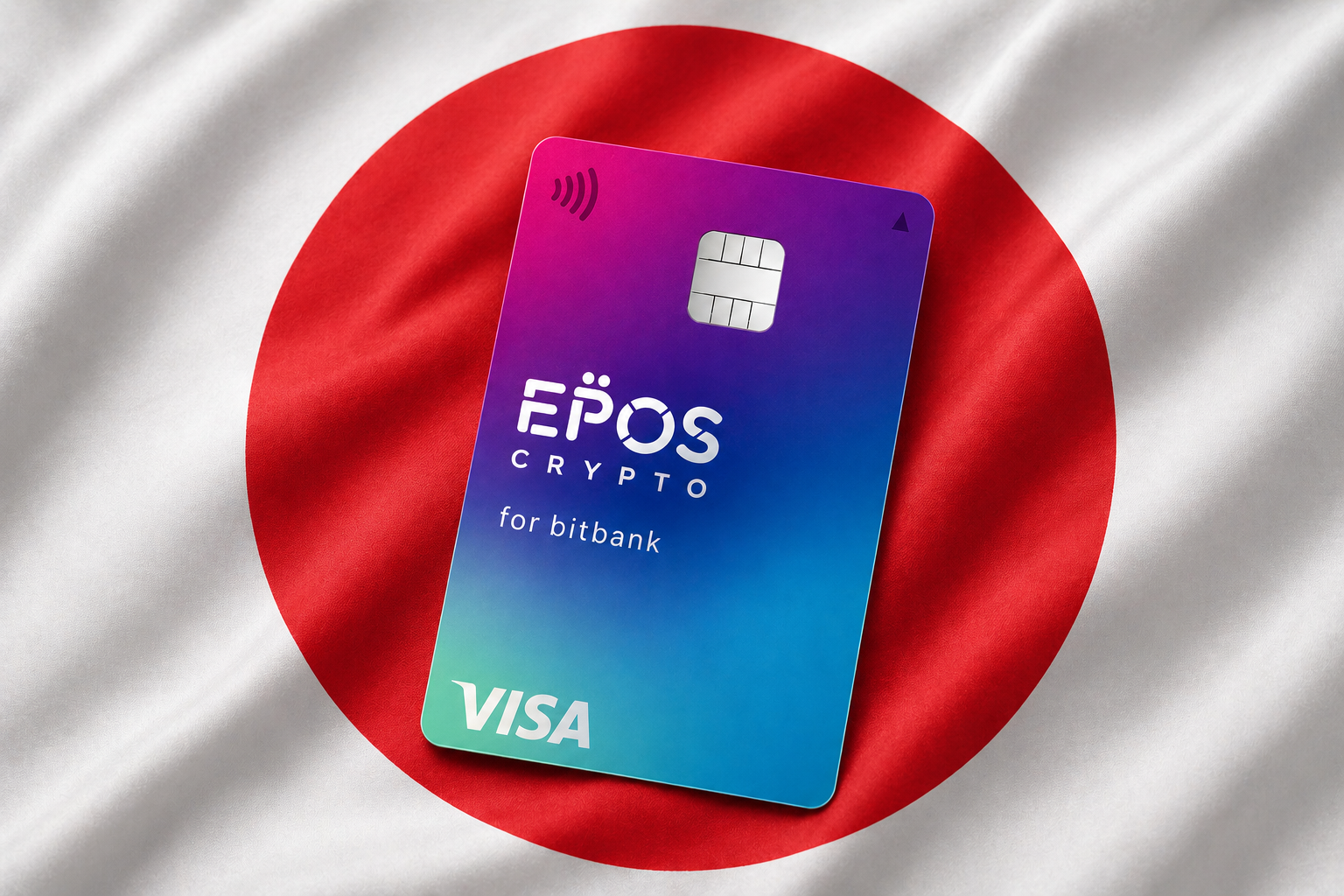
Running on Visa’s global network, the “EPOS Crypto Card” gives users access to millions of merchants worldwide. What makes it stand out is simple but notable. Rather than drawing from a traditional bank account, it automatically pays off credit card bills using cryptocurrency holdings, starting with Bitcoin.
How the Crypto Card Works
The card is designed to make crypto work like any other payment method. Rather than manually converting Bitcoin into yen before settling a bill, the card connects directly to a user’s Bitbank exchange account and handles everything automatically. When a payment is due, the platform converts Bitcoin into Japanese yen and covers the balance on the user’s behalf.
This matters because manual conversion has long been one of the biggest barriers to using crypto in everyday life. By building the settlement process directly into the payment flow, the card turns crypto into a practical funding source without requiring any changes on the merchant side. Shops and services do not need to accept digital assets. Users simply spend as normal, while crypto works quietly in the background.
Limited Rollout and Future Expansion
For now, the card launches with Bitcoin as the only supported cryptocurrency for automatic bill settlement. It is a deliberate starting point rather than a limitation, giving Bitbank and EPOS Card room to test the system, monitor user experience, and ensure operational stability before scaling further.
The roadmap, however, suggests bigger plans ahead. Additional cryptocurrencies could be added in future updates, with expansion depending on user demand and how Japan’s regulatory environment continues to develop. For a market that has historically moved carefully when it comes to crypto adoption, a phased approach signals that both companies are playing a long game, building infrastructure that is meant to last rather than move fast.
What This Means for Users and the Market
The EPOS Crypto Card addresses some of the most common pain points that have kept everyday crypto use out of reach for most people. Here is what it brings to the table:
- Convenience. Users spend as they normally would with a credit card, while their crypto holdings handle the bill automatically. No manual conversions, no switching between platforms.
- Better Liquidity. Bitcoin no longer has to sit idle as a long-term asset. Users can tap into their holdings for daily expenses without fully stepping out of the crypto ecosystem.
- Wider Acceptance. Because the card runs on Visa’s network, merchants do not need to support crypto directly. This quietly solves one of the biggest obstacles to real-world crypto adoption.
Beyond individual users, the launch says something bigger about where the industry is headed. Crypto platforms are no longer just for trading. They are becoming everyday financial tools, and Japan, a market known for taking its time, appears to be ready to move.
Potential Challenges
Like any new product, the card comes with a few things users should be aware of.
- Price Volatility. Because Bitcoin is automatically converted to yen at the time of settlement, users have little control over the exchange rate at that moment. If the market moves unfavorably, the actual value spent could end up higher than expected. For users who are mindful of their crypto holdings, timing and volatility remain real concerns.
- Regulatory Hurdles. Japan has one of the strictest crypto compliance environments in the world. Adding new cryptocurrencies or expanding features will require further approvals, which takes time. How quickly Bitbank and EPOS Card can work through that process will determine how far this product can go.
Can the EPOS Card Make Crypto Spendable?
The EPOS Crypto Card is still in its early stages, but it is a meaningful step forward. It takes one of the biggest frustrations with crypto, the difficulty of using it for everyday purchases, and offers a practical solution without making things complicated. Users do not need to change how they shop. The card handles everything in the background. Whether it succeeds will depend on how Bitbank and EPOS Card handle the challenges ahead, from price swings to regulatory approvals. But as a first move in Japan’s credit card space, the direction is clear. Crypto is no longer just something people hold and watch. It is slowly becoming something people actually use.
Frequently Asked Questions
What is the EPOS Crypto Card?
The EPOS Crypto Card is a crypto-linked credit card launched by Bitbank in partnership with EPOS Card. It lets users pay like a normal credit card but settles bills using crypto.
How does the card work?
The card connects to your Bitbank account. When your bill is due, your Bitcoin is automatically converted into yen to pay the balance.
Do I need to convert crypto before using the card?
No. The system handles everything automatically. You can spend as usual, and the conversion happens in the background.
What cryptocurrency is supported?
At launch, only Bitcoin is supported for automatic bill payments. More cryptocurrencies may be added in the future.