Key Takeaways
- XRP is now listed on Rakuten Wallet, giving it access to millions of everyday users and expanding beyond traders into real consumer use cases in Japan.
- The move connects XRP to Rakuten Group’s 44M users, 5M merchants, and trillions in loyalty points, boosting its real-world reach.
- Users can convert Rakuten loyalty points into XRP, making it easier to gain exposure without making direct purchases and lowering the barrier to entry for mainstream users.
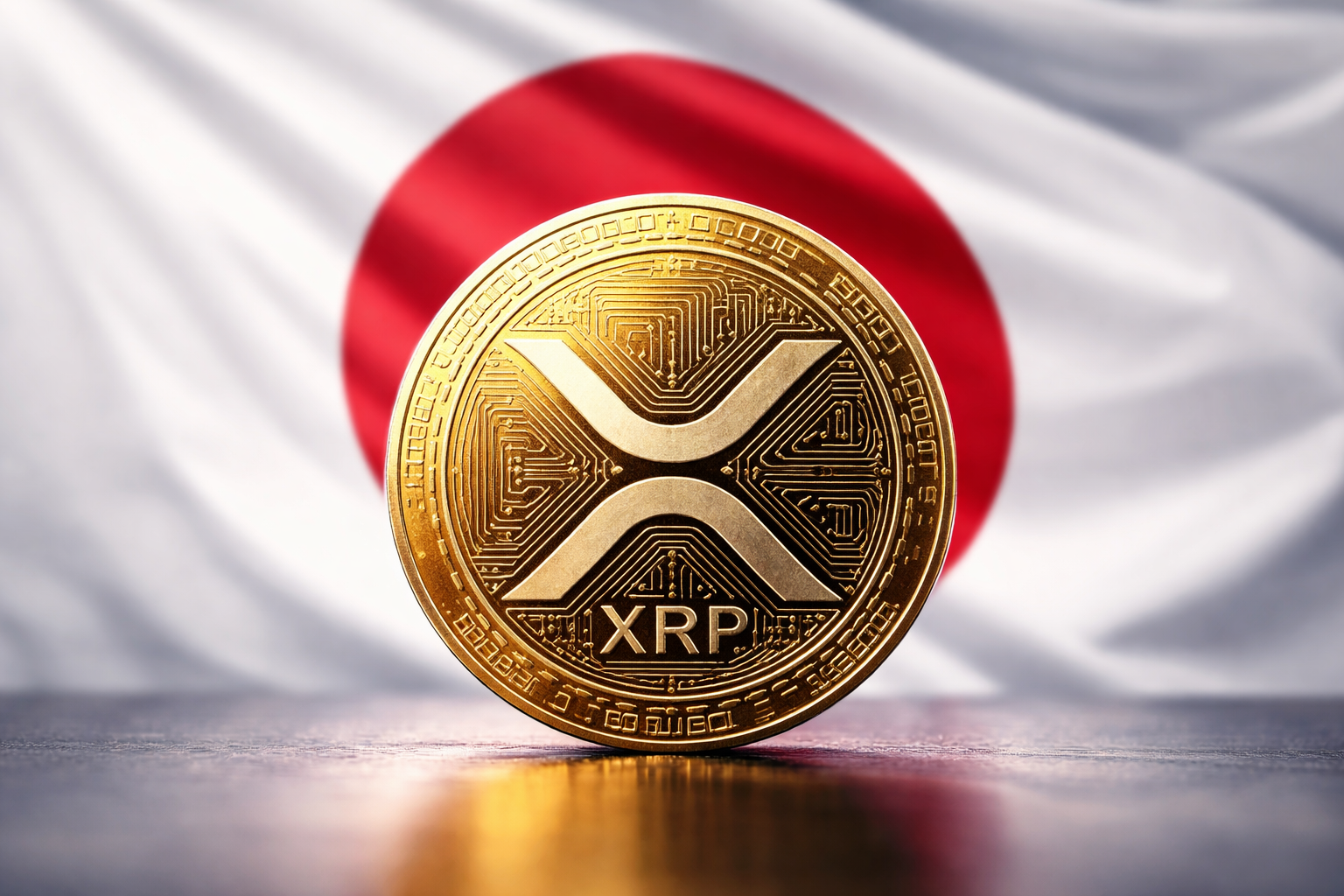
XRP has made a big move into Japan’s digital economy after Rakuten Wallet, the crypto arm of retail and fintech giant Rakuten, added the asset to its platform. The company is one of Asia’s largest consumer brands, with services spanning e-commerce, banking, and travel, as well as a loyalty rewards program used by tens of millions of Japanese consumers.
This addition puts XRP in front of a massive, built-in user base that goes well beyond typical crypto traders. With the platform’s wide reach and the trust it has built among everyday consumers, XRP now has a real shot at practical, day-to-day use in Japan, from payments to cross-border transactions, rather than just being another asset on an exchange.
Rakuten Wallet Adds XRP Support
Rakuten Wallet has officially listed XRP, allowing users to buy, hold, and use the asset directly within the app. The listing adds XRP to its existing lineup of supported digital assets, making it accessible to users who already rely on the platform for their day-to-day finances.
Japan is also one of the more crypto-friendly markets in the world, backed by clear regulations and a population comfortable with digital payments. For XRP, this means the listing carries more weight than a typical exchange addition, as it opens the door to real spending and transaction use among mainstream consumers, not just traders.
Tapping Into Rakuten’s Ecosystem
What makes this listing stand out is the size of Rakuten Group’s network. Unlike a typical crypto exchange, Rakuten is deeply woven into the daily lives of Japanese consumers, covering everything from online shopping and banking to travel and entertainment. The numbers give a clearer picture:
- Over 44 million active users across its platforms
- More than 5 million merchants in its network
- Around 3 trillion loyalty points in circulation, worth over $20 billion
One of the biggest draws is that users can now convert those loyalty points directly into XRP. Since points are earned through everyday spending like shopping, travel, and subscriptions, people can start building XRP holdings without buying any crypto outright. For millions of casual users already in the Rakuten ecosystem, that is a pretty easy way in.
Bringing XRP Into Everyday Payments
Holding XRP is one thing, but Rakuten’s merchant network is what gives it practical legs. With over 5 million businesses connected to the ecosystem, users have a direct path to spending XRP across retail, dining, travel, and digital services, covering much of what Japanese consumers already spend on daily.
This shifts XRP’s role from something people hold in a wallet to something they can actually use at checkout. That kind of real-world utility is what separates this move from a typical listing, and it puts XRP in a position few cryptocurrencies have reached in any major market.
Japan’s Role in Crypto Adoption
Japan’s crypto market didn’t develop overnight. The country has been building its regulatory framework since 2017, when it became one of the first nations to formally recognize Bitcoin as legal tender. Since then, the Financial Services Agency has kept a close watch on licensed exchanges, setting strict standards around consumer protection, anti-money laundering, and asset custody.
That foundation matters for XRP’s expansion here. Operating within a regulated environment means users have a clearer sense of what protections are in place, which builds the confidence that drives everyday use rather than speculation. For a payment-focused asset like XRP, Japan’s combination of regulatory clarity, high smartphone penetration, and a population already comfortable with cashless transactions makes it one of the more logical places to push for real adoption.
Final Thoughts
Rakuten’s decision to list XRP is bigger than it looks on the surface. It puts XRP inside an ecosystem that tens of millions of Japanese consumers already use for shopping, travel, and banking, giving it a real shot at everyday use that most cryptocurrencies never get close to. Whether that potential turns into actual transaction volume will take time to play out. But the pieces are in place. Japan has the rules, the infrastructure, and the spending habits that make this more than just another listing. For XRP, this could be the kind of foothold that actually sticks.
Frequently Asked Questions
What is the importance of XRP being listed on Rakuten Wallet?
It gives XRP access to millions of everyday users in Japan, expanding its role from trading to real-world use in payments and transactions.
Can users buy XRP using Rakuten loyalty points?
Yes, users can convert Rakuten Group loyalty points into XRP, making it easier to gain exposure without making direct purchases.
Where can XRP be used within the Rakuten ecosystem?
XRP can potentially be spent across millions of merchants connected to Rakuten, including retail, travel, dining, and digital services.
How large is Rakuten’s ecosystem?
Rakuten connects over 44 million users, more than 5 million merchants, and trillions of loyalty points, creating a massive network for XRP adoption.
Does this mean XRP will be widely used for payments?
It creates strong potential, but real usage will depend on how quickly users and merchants adopt XRP for everyday transactions.