You can get Bitcoin without buying it directly, but “free Bitcoin” usually comes with a trade-off. You may need to complete a task, refer another user, make purchases you were already planning, provide a service or spend time learning a platform.
Legitimate rewards are also usually paid in satoshis, the smallest unit of Bitcoin, rather than whole BTC.
What those satoshis are worth depends on the Bitcoin price: 100,000 sats are 0.001 BTC.
The easiest options in 2026 include Bitcoin cashback, referral programs, learn-to-earn rewards, and getting paid in BTC for work. Faucets still exist, but payouts are generally tiny. Cloud mining, lending and staking should not be treated as free Bitcoin because they require capital or introduce additional financial risk.
Here are the main ways to earn BTC without making a normal Bitcoin purchase.
Earn Bitcoin Cashback
Bitcoin cashbacks are one of the more practical ways to accumulate BTC if you were already going to spend the money.
Services such as Lolli offer rewards when users shop through participating merchants. Lolli currently supports thousands of stores and can pay eligible rewards in Bitcoin or cash. Reward rates and merchant availability vary by location.
The key is not to spend extra money simply to earn Bitcoin. A 1% BTC reward on a purchase you didn’t need still means you spent 99% more than if you had skipped the purchase.
Use a Bitcoin Rewards Credit Card
Some credit cards let users choose Bitcoin instead of conventional points or cashback.
For example, the Gemini Credit Card® currently lets eligible users earn Bitcoin or other supported cryptocurrencies on qualifying purchases. Its advertised rates include up to 4% on certain gas, electric vehicle charging and transit purchases, 3% on dining, 2% on groceries and 1% on other qualifying purchases, subject to its terms and spending limits.
This method only makes sense if you pay the card responsibly. Interest charges from carrying a balance can easily exceed the value of the Bitcoin rewards.
Also remember that a rewards card is not literally creating free money. You are receiving a rebate based on spending.
Earn Bitcoin Through Referral Programs

Bitcoin companies sometimes pay existing users for referring new customers.
River, for example, currently has a referral program that pays both users in Bitcoin after the referred customer reaches qualifying Bitcoin purchase thresholds. Its current tiers can total up to $100 in BTC per eligible referral.
Referral programs change frequently, so always check the current terms before promoting one. Look for the following:
- Minimum purchase or deposit requirements
- Country restrictions
- Know Your Customer (KYC) requirements
- Reward lock periods
- Maximum referral rewards
Never promise someone a reward before confirming that both accounts qualify.
Complete Crypto Learning and Quest Programs
Some crypto platforms reward users for learning how blockchain applications work.
Coinbase Wallet Quests currently offers rewards for completing onchain activities such as learning how to swap, delegate, stake or interact with decentralized applications.
These programs do not always pay rewards directly in BTC. You may receive another cryptocurrency instead.
If your goal is Bitcoin, check whether you can legally and economically convert that asset into BTC in your jurisdiction. Trading fees and taxes can reduce the final amount.
Get Paid in Bitcoin for Freelance Work

One of the most direct ways to earn Bitcoin without buying it is to get paid for work.
Writers, developers, designers, marketers, consultants and other freelancers can agree with clients to receive all or part of their compensation in BTC.
Bitcoin itself supports direct peer-to-peer payments, so a client can send BTC to your wallet without requiring a conventional bank transfer.
This is not technically “free” Bitcoin because you are exchanging your time or skills for payment. However, it avoids having to purchase BTC with savings.
Remember that compensation paid in Bitcoin may still be taxable. In the United States, the Internal Revenue Service (IRS) treats digital assets received for services as ordinary income based on their fair market value when received.
Try Bitcoin Faucets
Bitcoin faucets give users very small amounts of BTC or satoshis for completing simple tasks.
Common tasks include the following:
- Captchas
- Surveys
- Watching advertisements
- Daily check-ins
- Simple games
Faucets played a much bigger role in Bitcoin’s early history, when BTC had little market value. Today, the payouts are usually so small that faucets make more sense as a way to learn how wallets and Bitcoin transactions work than as a serious income source.
Check the withdrawal threshold before spending time on a faucet. A service may advertise free satoshis but require users to accumulate a large balance before they can withdraw.
Enter Legitimate Bitcoin Giveaways
Companies, conferences and crypto communities occasionally run real BTC giveaways.
The problem is that scammers use the same language.
A legitimate giveaway should never require you to send Bitcoin first to receive more Bitcoin back. You should also never provide a wallet recovery phrase or private key to claim a prize.
Verify the giveaway through the organization’s official website and social accounts rather than trusting a link posted in a reply, direct message or advertisement.
If someone promises guaranteed BTC after you send crypto first, walk away.
Earn Another Crypto and Convert It to Bitcoin
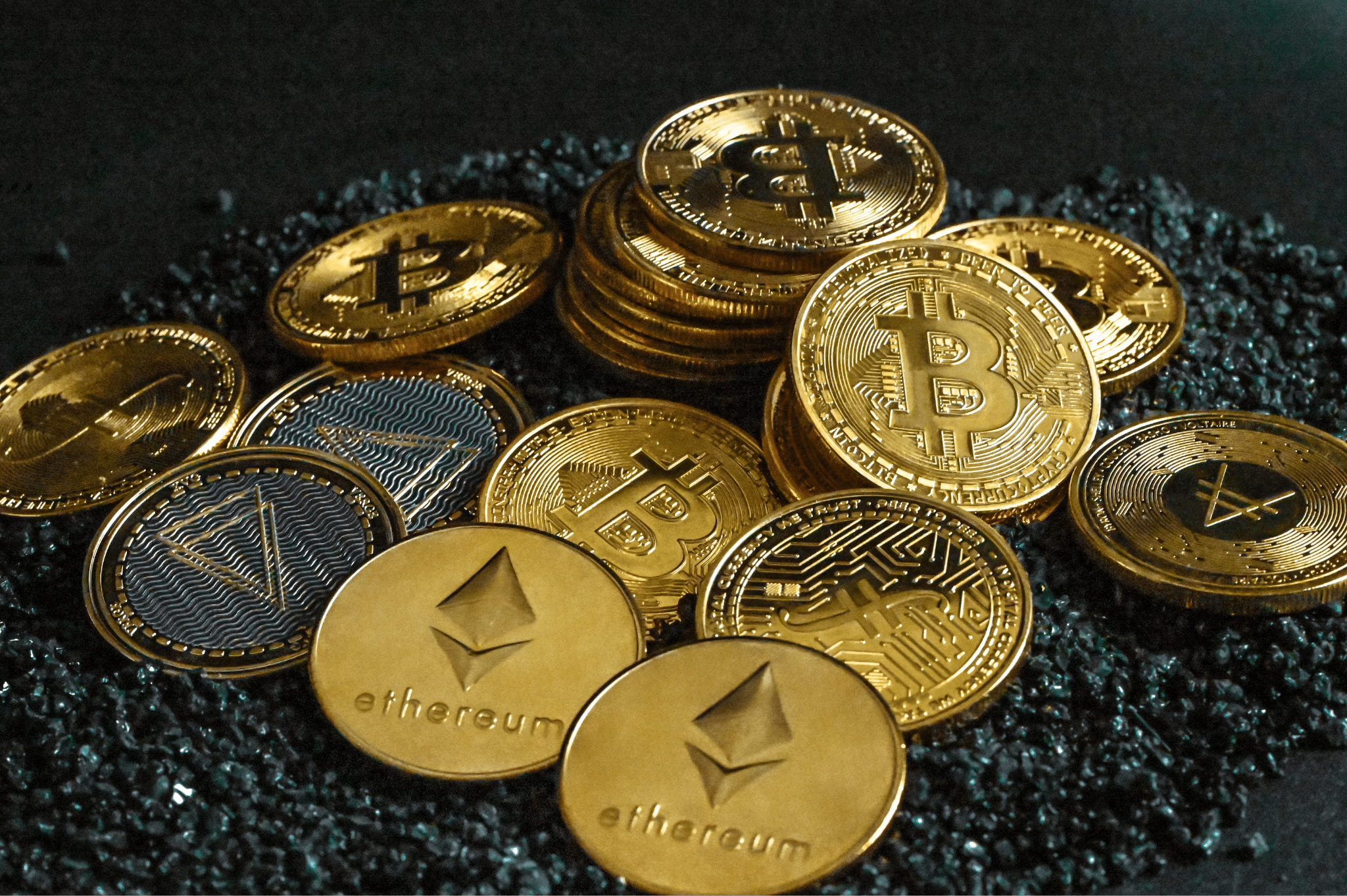
Airdrops and other crypto campaigns can indirectly help you accumulate Bitcoin.
Most airdrops do not distribute BTC, as they distribute the project’s own token.
If the token becomes tradable, you may later be able to exchange it for Bitcoin.
That creates additional considerations:
- The token may have little or no value.
- Trading fees can reduce the amount received.
- Airdrop eligibility is never guaranteed unless officially confirmed.
- Swapping one crypto asset for another may create a taxable event.
For active airdrop campaigns, UTB maintains an updated crypto airdrops page.
Can You Get Free Bitcoin From Mining?
Not realistically in the way the term “free Bitcoin” implies.
Bitcoin mining uses proof of work. Miners compete using specialized computing equipment and electricity to produce valid blocks and receive block rewards and transaction fees. Bitcoin.org describes modern mining as a specialized industry using purpose-built hardware.
Mining therefore involves costs such as the following:
- Mining hardware
- Electricity
- Cooling
- Pool fees
- Maintenance
Approach any service advertising “free cloud mining” carefully. Cloud mining normally involves renting someone else’s mining equipment or purchasing a contract, so it is not the same as receiving free BTC.
Can You Stake Bitcoin to Earn Free BTC?
Bitcoin itself cannot be natively staked. Bitcoin uses proof of work (PoW) rather than proof of stake. Its consensus system relies on miners performing computational work to confirm transactions and secure the blockchain.
Platforms advertising “Bitcoin staking” are generally offering another product in the Bitcoin DeFi space, such as lending BTC, wrapping it for use on another network or depositing it into a third-party yield service.
Those products may generate returns, but they require you to already own Bitcoin and introduce counterparty, smart contract or custody risk. Therefore, they should not be described as a way to get free Bitcoin.
Are Bitcoin Savings Accounts and DeFi Lending Free?
No. Crypto lending and yield accounts can pay returns on BTC or other assets, but you have to deposit capital first. Depending on the product, risks can include the following:
- Platform insolvency
- Counterparty defaults
- Smart contract exploits
- Withdrawal restrictions
- Wrapped-asset risk
A high advertised annual percentage yield (APY) does not make the reward free. You are taking financial risk with assets you already own.
Which Free Bitcoin Methods Are Actually Worth Your Time?
For most people, cashback or getting paid in Bitcoin offers a better balance of effort and potential reward than repeatedly using faucets.
| Method | Requires Money? | Typical Effort | Main Trade-Off |
| Cashback | Yes, normal spending | Low | Requires purchases |
| Credit card rewards | Yes, spending | Low | Credit and interest risk |
| Referrals | Sometimes | Medium | Another user must qualify |
| Learning/quests | Usually little or none | Low–Medium | Rewards may not be BTC |
| Freelancing | No upfront capital | High | Requires work |
| Faucets | No | High for payout | Very small rewards |
| Giveaways | No | Low | Low odds and scam risk |
| Airdrops | Usually little or none | Varies | Usually pays another token |
| Mining | Yes | High | Hardware and electricity costs |
| Lending/yield | Yes | Low | Capital and platform risk |
Table 1. Ways to Earn Bitcoin Without Buying It Directly
How to Avoid Free Bitcoin Scams
The phrase “free Bitcoin” attracts scammers because it appeals to users who are hoping for an easy payout.
Use a few simple rules:
- Never send BTC to unlock a larger Bitcoin reward.
- Never share your seed phrase or private key.
- Verify promotions through the company’s official website.
- Check withdrawal requirements before doing tasks.
- Be cautious with browser extensions and wallet connections.
- Use a separate wallet for unfamiliar crypto campaigns.
- Do not deposit money into a platform just because it promises unusually high BTC returns.
For meaningful amounts of BTC, consider moving funds to a wallet where you understand who controls the private keys.
Do You Pay Tax on Free Bitcoin?
Possibly. Tax treatment depends on your country and how you earned the BTC.
In the United States, the Internal Revenue Service (IRS) says digital assets received as rewards, awards or payment for services can create reportable income. Digital assets are treated as property for federal tax purposes.
Selling or exchanging the Bitcoin later can also create a capital gain or loss based on the difference between your tax basis and the disposal value.
Keep records showing when you received the BTC, how much you received and its value at the time.
What Is the Best Way to Earn Bitcoin Without Buying It?
There is no reliable way to receive large amounts of Bitcoin for doing nothing.
The more practical options involve exchanging something you already have, such as your time, skills, shopping activity or referrals, for small BTC rewards.
For beginners, cashback and educational rewards offer an easy entry point. Freelancers may get better results by asking clients to pay in Bitcoin. Faucets can still be useful for learning, but their payouts are usually too small to justify significant time.
Avoid treating cloud mining, lending or so-called Bitcoin staking as “free BTC.” Those methods put your own capital at risk.
The basic rule is simple: the larger and easier a free Bitcoin offer sounds, the more carefully you should verify where the money is actually coming from.
Frequently Asked Questions
Need a refresher? Here are the most common questions about getting free Bitcoin.
Can You Really Get Bitcoin for Free?
Yes, small amounts of BTC can be earned through rewards, referrals, cashback and giveaways. However, most methods require time, spending or another form of participation.
What Is the Easiest Way to Earn Free Bitcoin?
Cashback can be one of the easiest options for people who already shop at participating merchants. Referral rewards can pay more, but you usually have to meet specific eligibility requirements.
Are Bitcoin Faucets Still Worth Using?
Mostly for learning. Modern faucet payouts are typically very small, so they are unlikely to generate meaningful Bitcoin income.
Can I Earn Bitcoin Without Investing Money?
Yes. Freelance work paid in BTC, some learning programs, referrals and legitimate giveaways can require no direct Bitcoin investment. However, they still require time, work or participation.
Is Free Bitcoin Taxable?
It can be. In the United States, Bitcoin received as compensation, a reward or an award may be taxable when received, while a later sale or exchange can also create a capital gain or loss. Tax rules differ by jurisdiction.