Key Takeaways
- Over 60% of the top 25 U.S. banks have integrated or announced Bitcoin-related services like custody and trading.
- Three of the “Big Four” (JPMorgan, Citigroup, Wells Fargo) are active, collectively managing $7.3 trillion in assets.
- Coinbase CEO Brian Armstrong reports that global banking leaders now view crypto as an “existential” priority.
The narrative that Wall Street is at war with crypto is rapidly becoming a relic of the past. According to new data from Bitcoin financial services firm River, the gatekeepers of the traditional financial system are no longer just watching from the sidelines—they are jumping in.
A staggering 60% of the top 25 institutions operating in the United States are now “into Bitcoin,” signaling a massive institutional pivot that would have seemed impossible just a few years ago. This shift comes as Coinbase CEO Brian Armstrong notes a distinct change in tone among global elites. Following the Davos World Economic Forum in January 2026, Armstrong revealed that many top-tier bank CEOs now view crypto not as a fad, but as an “existential” opportunity that tops their priority lists.
Three out of the Big Four are on the list
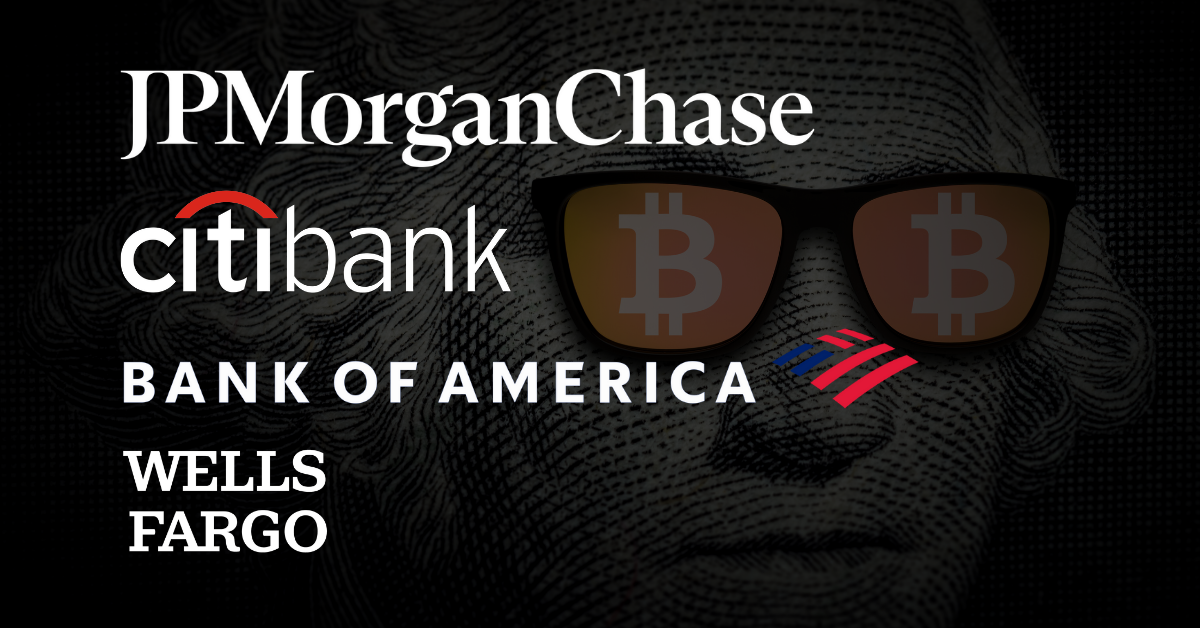
The charge into digital assets is being led by the heavyweights of the American banking sector. Out of the prestigious “Big Four,” three—JPMorgan Chase, Wells Fargo, and Citigroup—have already made their moves. JPMorgan is currently exploring the addition of crypto trading to its vast suite of services, while Citigroup is developing institutional-grade custody solutions. Wells Fargo has taken a more direct approach by offering Bitcoin-backed loans specifically for its institutional clientele. Together, these three behemoths command more than $7.3 trillion in assets, providing a massive liquidity bridge for Bitcoin into the traditional economy.
Even international giants with a heavy U.S. presence, such as UBS, are following suit. Reports indicate that UBS is exploring Bitcoin and Ether trading options for its wealthiest clients. It’s not all sunshine and rainbows for the crypto-banking crossover, though. Banks are perfectly happy to trade Bitcoin when there’s a profit to be made, but they’re drawing a hard line at stablecoins that pay you back.
Many bank execs still see yield-bearing tokens as a massive threat to their bottom line, fearing a “deposit flight” where trillions of dollars migrate from low-interest savings accounts to on-chain yields. This has led to some intense lobbying in 2026—specifically around the GENIUS Act—where the “old guard” is fighting to strip away the decentralized rewards and financial freedom that make crypto so attractive to begin with.
Ten big banks still on the sidelines
It’s a wild time for the banking elite. Most of the big players are finally embracing Bitcoin, but a few are still standing on the sidelines. For a while, Bank of America (with its massive $2.67 trillion balance sheet) was the holdout everyone was watching. They’ve finally started to budge, allowing clients to put up to 4% of their portfolios into Bitcoin ETFs as 2026 kicks off.
But why the wait? A lot of it comes down to the fear left behind by “Operation Chokepoint 2.0,” a time when the government basically told banks to stay away from crypto. Now, with firms like Capital One and Trust Bank still playing it safe, you have to wonder: how much longer can they sit this out before they simply become irrelevant?
Bitcoin Is Now Part of Mainstream Banking
The banking sector’s pivot toward Bitcoin is no longer a “maybe”—it’s a massive institutional reality that validates crypto’s staying power.
Frequently Asked Questions
Which major U.S. banks are currently pro-Bitcoin?
JPMorgan Chase, Wells Fargo, and Citigroup are all actively exploring or offering Bitcoin services.
Is Bank of America offering Bitcoin services?
No, Bank of America is currently the only member of the Big Four without announced Bitcoin plans.
What changed in 2026 for bank CEOs?
Many now view crypto as an existential priority rather than a speculative asset, according to Coinbase CEO Brian Armstrong.