Key Takeaways:
- Crypto remittances to Latin America cost $1-5 versus $20-40 through Western Union or MoneyGram
- Bitso dominates US-Mexico transfers with over $1 billion in annual volume and direct peso conversions
- Stablecoins like USDC on Stellar or Polygon complete transfers in minutes for under $1 in network fees
Sending money from the US to Latin America through traditional services bleeds your wallet dry. Western Union charges 5-10% on small transfers. Your family in Mexico or Colombia loses $30-50 on every $500 you send. Banks hit you with $25-40 wire fees plus terrible exchange rates that cost another 2-3%.
Crypto remittances cut through all that waste. You send stablecoins for under $5 total cost. Transfers finish in minutes instead of sitting for days. Recipients convert to pesos, reais, or their local currency through apps designed for this. Everything works 24/7 without banks slowing you down on weekends.
Which Apps Make Sending Money Easiest?
Dedicated remittance apps handle the entire process from your dollars to their local currency. These platforms understand Latin American banking systems and regulations. You don’t wrestle with wallet addresses or blockchain networks yourself.
How Does Bitso Simplify the Process?
Bitso processes over $1 billion yearly in US-Mexico remittances alone. The platform expanded to Argentina, Colombia, and Brazil too. You send dollars and your recipient gets pesos automatically. No crypto knowledge needed on either end.
The app charges around 0.5% for conversions between dollars and crypto. Your recipient pays another 0.5% converting crypto to local currency. Total fees run $5 on a $500 transfer. Compare that to Western Union’s $30-40 for the same amount.
Mexican recipients cash out at OXXO stores nationwide without needing bank accounts. The app connects directly to Mexican banks through SPEI. Money hits their account same-day during business hours. Over 6 million Latin Americans already use Bitso daily.
Félix Pago works entirely through WhatsApp messaging. You chat with their bot to send money. The service uses USDC on Stellar blockchain for near-zero fees. Your recipient gets pesos deposited to their Bitso account automatically.
The WhatsApp interface makes everything dead simple. You don’t download another app or create complex accounts. Just message, confirm amounts, and send. Transfers complete in 5-15 minutes typically. Perfect for people who find regular crypto confusing.
Strike leverages Bitcoin’s Lightning Network for instant transfers. Network fees run under $0.01 regardless of amount sent. The platform converts dollars to Bitcoin, sends through Lightning, and converts to local currency. Your recipient never holds Bitcoin directly.
Lightning settlements happen in seconds versus minutes for regular blockchain transfers. The technology scales better than traditional Bitcoin too. Strike works across multiple Latin American countries with competitive exchange rates. For detailed platform comparison, check our guide on sending money to Mexico using crypto.
How Do Major Exchanges Handle Remittances?
Big crypto exchanges offer more flexibility than dedicated remittance apps. You control which crypto to send and when to convert. These platforms work globally with high liquidity and strong security.
Coinbase lets you send USDC to anyone’s email address for free. If they don’t have Coinbase, the email walks them through signup. Once both users have accounts, transfers happen instantly with zero fees.
Mexican recipients cash out through OXXO stores across the country. Coinbase integrated this specifically for remittance customers. Your family walks into OXXO, provides a code, and collects cash. No bank account required at all.
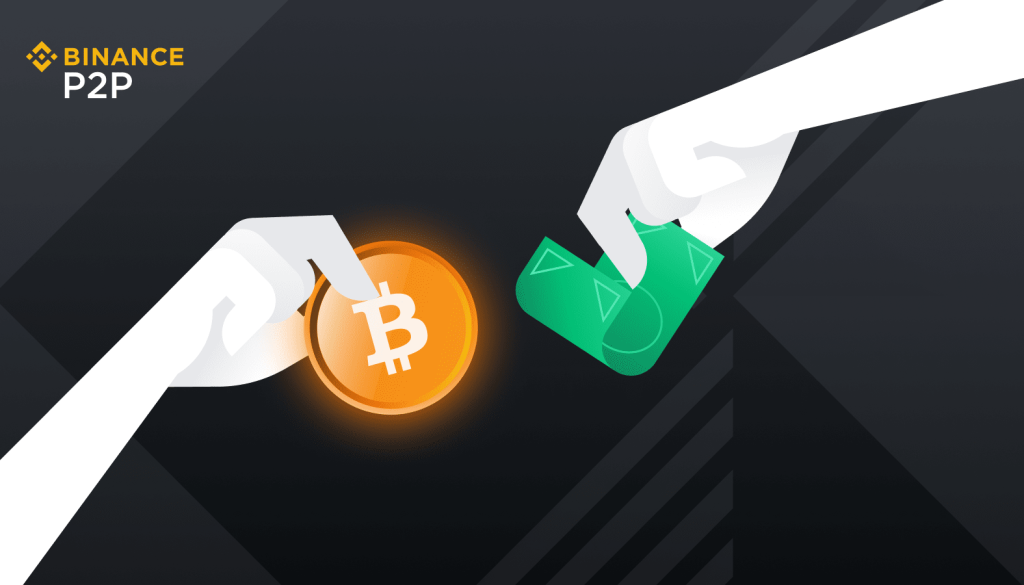
Binance operates the largest peer-to-peer marketplace for Latin America. You buy USDT or USDC, then send to your recipient’s wallet. They use Binance P2P to trade crypto for local currency with other users.
How Does P2P Trading Work?
P2P trading shows multiple offers with different rates and payment methods. Your recipient picks whoever offers the best deal. Competition keeps rates tight, often beating exchange conversion fees. Payments happen through local banks or digital wallets like Mercado Pago.
Colombian, Argentine, and Mexican users actively trade on these P2P platforms. Sellers compete on price and speed of payment. Your recipient compares dozens of offers before choosing. The escrow system protects both parties during trades.
Payment methods include everything from bank transfers to digital wallets. This flexibility helps in countries with banking restrictions. Sellers build reputation scores visible to all buyers. Higher reputation means more trustworthy trading partners.
Which Cryptocurrencies Work Best?
Stablecoins eliminate the price swing headaches that plague Bitcoin and Ethereum. Your $500 stays $500 throughout the transfer. Recipients don’t lose money to sudden price drops during the 10-minute transfer window.
USDC maintains strict regulatory compliance through Circle and Coinbase. Every token gets backed by actual dollars in audited accounts. The stablecoin works on multiple blockchains with different cost structures.
Stellar network USDC costs under $0.01 to send. Polygon runs similarly cheap at fractions of a cent. Ethereum USDC can hit $5-15 in gas fees during busy times. Pick your network based on what the recipient’s platform accepts.
Tether (USDT) gets accepted more widely across Latin American exchanges. The stablecoin dominates trading volume in the region. USDT on TRON (TRC-20) costs under $1 to transfer. Most major platforms support TRC-20 deposits and withdrawals.
Here’s how different options compare for Latin American remittances:
- USDC on Stellar delivers the absolute lowest fees under $0.01 per transfer
- USDT on TRON offers widest acceptance across exchanges at $1 per transfer
- USDC on Polygon balances low fees with fast finality in under 30 seconds
- Bitcoin Lightning works through Strike with sub-cent fees and instant settlement
For broader context on stablecoin transfers, see our article on Bitcoin stablecoin remittances.
What’s the Actual Step-by-Step Process?
Walking through a real transfer shows how simple crypto remittances actually work. The process takes maybe 10 minutes start to finish once you’ve set up accounts. After the first transfer, future ones take under 5 minutes.
First, create accounts on your chosen platform.Coinbase or Kraken work great for US senders. Your recipient sets up Bitso, Binance, or whatever platform serves their country. Identity verification takes 1-2 days usually.
Second, deposit dollars to your exchange account. ACH bank transfers cost nothing but take 3-5 days. Debit cards work instantly but charge 3-4% extra. Wire transfers settle same-day for $10-25 fees.
Third, buy stablecoins with your deposited dollars. Purchase USDC or USDT depending on what your recipient’s platform accepts. Most exchanges charge 0.5-1.5% for this conversion. Buying $500 costs $2.50-7.50 in fees.
Fourth, send the stablecoins to your recipient’s wallet address. Copy their address exactly with no typos. Choose the correct blockchain network matching what they use. Send a $10-20 test first to verify everything works.
Fifth, your recipient converts stablecoins to local currency. They sell USDT for pesos through their platform. Money hits their bank account within hours. Some platforms like Bitso offer instant OXXO cash pickup too.
What Mistakes Kill Transfers?
Mixing up blockchain networks destroys money permanently. Sending USDC on Ethereum to a Polygon address makes funds unrecoverable. The crypto goes to an address that doesn’t exist on that network. Always verify network compatibility first.
Skipping test transactions risks losing everything in one mistake. Network fees cost $1-5 regardless of amount sent. Spending $2 to test saves potentially losing $2,000. Professional senders always test new recipient addresses.
Forgetting to check recipient platform supported networks causes most problems. Bitso might accept USDT on TRON but not Ethereum. Sending the wrong network version means support tickets and weeks of hassle. Confirm compatibility before buying crypto.
Ignoring withdrawal fees to local banks adds hidden costs. Some platforms charge $5-10 moving money from the exchange to bank accounts. Recipients should factor this into savings calculations. Sometimes keeping funds in crypto for future use makes more sense. Learn more about converting crypto to cash efficiently.
How Do Costs Compare to Traditional Services?
Traditional remittance companies absolutely gouge customers on Latin American corridors. Western Union charges 5-8% on transfers under $500. MoneyGram runs similar rates. Banks hit you with $25-40 wires plus 2-3% terrible exchange rates.
Crypto remittances demolish these costs completely. Here’s a real breakdown sending $500 to Mexico through Bitso:
- Buy $500 USDC on Coinbase: $5 (1% fee)
- Send USDC on Polygon network: $0.02
- Recipient converts to pesos on Bitso: $2.50 (0.5%)
- Withdraw pesos to Mexican bank: $2
- Total cost: $9.52 (1.9% of transfer)
Western Union charges $30-40 for that exact transfer. You save $20-30 per transaction using crypto. Families sending $500 monthly save $240-360 yearly. Those savings compound significantly over time.
Network congestion barely touches efficient blockchains. Stellar and Polygon maintain sub-cent fees even during peak usage. Ethereum spikes to $10-20 but you don’t need it for remittances. Picking the right network keeps costs consistently rock bottom.
What Should Recipients Know Before Starting?
Recipients need basic crypto literacy to receive remittances smoothly. They must understand wallet addresses, networks, and converting to local currency. Walking them through setup once prevents headaches forever.
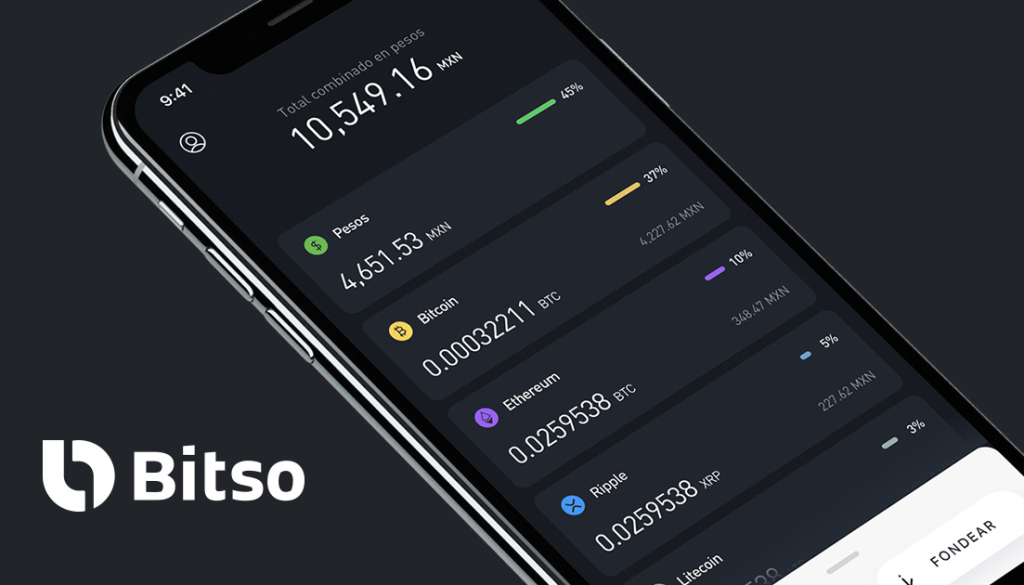
Most Latin American recipients use mobile-first platforms. Bitso’s app makes everything straightforward for non-technical people. They create accounts, verify identity, and generate wallet addresses. Setup takes 15-30 minutes total.
Tax implications vary wildly by country. Some Latin American nations don’t tax small crypto-to-fiat conversions. Others treat everything as taxable income. Recipients should understand their local regulations. Most small remittances stay under government radar though.
Security practices protect received funds from theft. Recipients enable two-factor authentication immediately after signup. They never share wallet addresses publicly or click suspicious links. Basic security stops most theft attempts cold. For complete security guidance, review our guide on understanding wallet security.
Local crypto communities provide support throughout major Latin American cities. Recipients find help through Telegram groups and WhatsApp communities. These peer networks answer questions and troubleshoot problems quickly. Crypto adoption across Latin America continues exploding with grassroots support growing daily.