Key Takeaways
- Crypto trading is legal in Nigeria, and platforms like Bybit are popular, but local restrictions affect direct access and funding options for traders.
- Nigerian banks may only serve crypto platforms licensed by the SEC, which Bybit is not, and some platforms, including Bybit, may be blocked by local ISPs.
- While crypto trading is allowed, crypto traders in Nigeria may need alternative platforms to access crypto markets and fund accounts with Naira safely.
Crypto trading is becoming increasingly popular in Nigeria, and platforms like Bybit are catching the attention of many traders. With its range of cryptocurrencies, advanced trading tools, and competitive fees, Bybit has become an attractive option for both beginners and experienced traders.
But with banking restrictions, regulatory uncertainties, and platform policies, many Nigerians wonder: Can Nigerians use Bybit? The answer isn’t always straightforward, as access can depend on factors like local banking options and compliance rules. In this article, we’ll find out the answer and take a closer look at other popular crypto platforms available to Nigerian traders.
Nigerians can legally own and trade crypto, but Bybit is not licensed by Nigeria’s SEC, so Nigerian banks cannot send naira to or from a Bybit account. In February 2024, the NCC also told internet providers to block access to Bybit. Local platforms with SEC approval in principle, such as Quidax and Busha, support naira deposits and withdrawals.
What is Bybit?
Bybit is a global cryptocurrency exchange founded in 2018 that offers spot trading, futures contracts, and margin trading on a wide range of digital assets. It is popular for leveraged trading on major cryptocurrencies like Bitcoin, Ethereum, and Solana, as well as its advanced trading tools and charts that allow for detailed technical analysis.
The platform also provides high liquidity with fast order execution and competitive fees, along with promotions and rewards for new users. While Bybit has expanded its services worldwide, its availability depends on local regulations and banking restrictions, so access can vary from country to country.
Can Nigerians Legally Use Bybit?
Owning and trading cryptocurrencies in Nigeria is legal, and individuals are free to buy, sell, and hold digital assets. The Investments and Securities Act 2025, signed in March 2025, treats digital assets as securities and puts crypto exchanges under the supervision of the Securities and Exchange Commission (SEC). However, there are major restrictions that affect how Nigerians can access platforms like Bybit.
Banking Restrictions
The Central Bank of Nigeria (CBN) barred banks from serving crypto exchanges in February 2021. Its December 22, 2023 guidelines lifted that bar for virtual asset providers licensed by the SEC, though banks still cannot hold or trade crypto themselves. Bybit is not among the platforms the SEC has approved, so users still cannot directly fund their Bybit accounts with Naira through Nigerian banks or receive withdrawals back into their local bank accounts.
Access Restrictions
In February 2024, the Nigerian Communications Commission (NCC) instructed telecom and internet service providers to block access to several cryptocurrency platforms, including Bybit. As a result, Nigerians may face challenges accessing the Bybit website or app using local internet connections without alternative solutions.
In practice, this means that while trading crypto itself is legal, accessing Bybit directly from Nigeria and funding accounts with local currency is restricted. Traders often need to explore workarounds or alternative exchanges that comply with Nigerian regulations.
Trusted Alternatives to Bybit for Nigerian Traders
Since Bybit is not directly accessible from Nigeria, traders can turn to alternative platforms that provide similar features while supporting Naira transactions and complying with local regulations.
Quidax
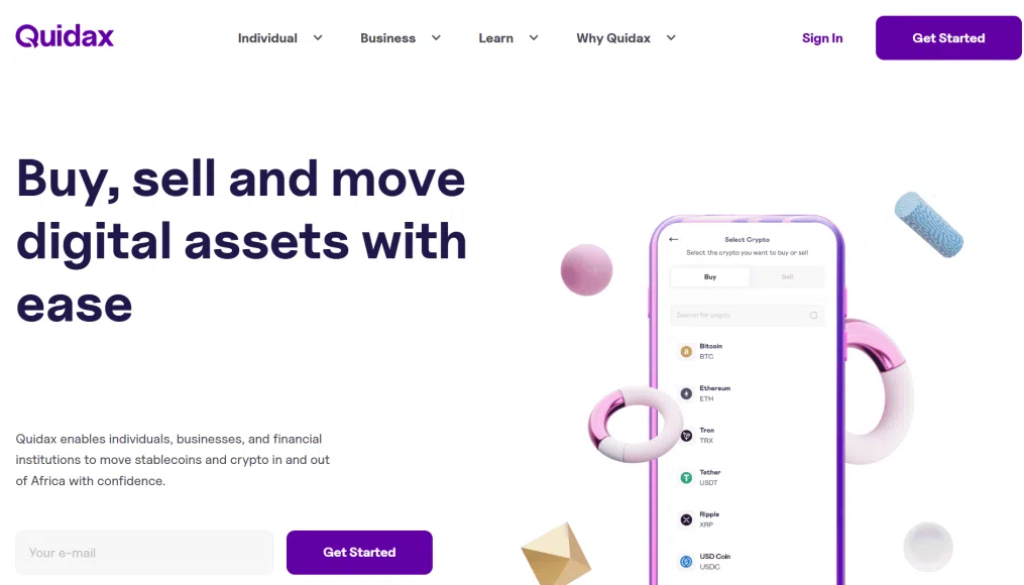
Quidax is a Nigeria-focused exchange that received an approval-in-principle from the SEC in August 2024, a step before a full licence. It offers spot trading for a wide range of cryptocurrencies and a beginner-friendly interface designed for easy navigation.
Quidax supports direct Naira deposits and withdrawals via local banks and mobile wallets, making it convenient for Nigerians to fund their accounts. The platform also provides features such as instant swaps, over-the-counter (OTC) trades for larger volumes, and a secure environment with strict verification protocols.
KuCoin
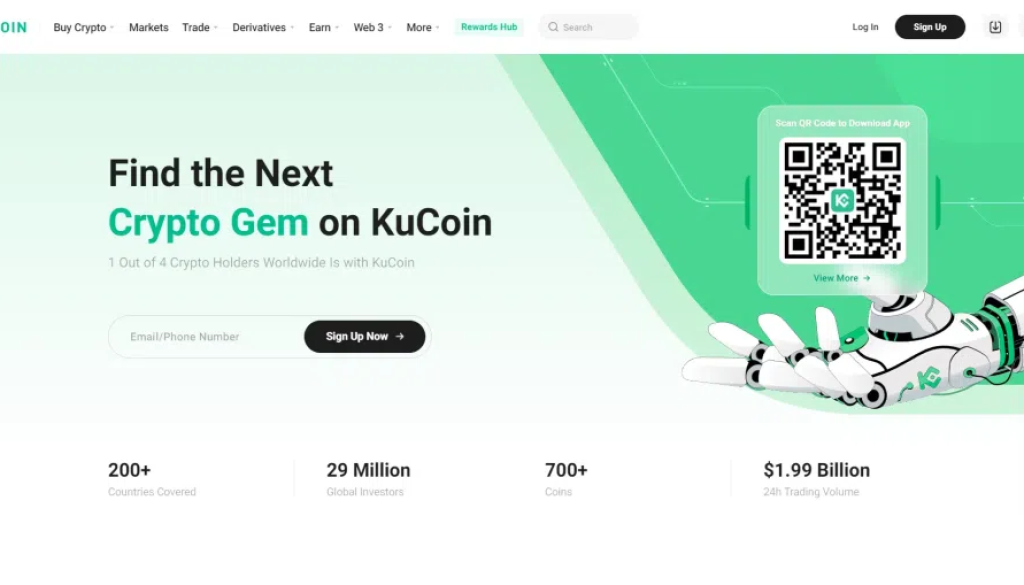
KuCoin is a global crypto exchange that offers spot, margin, and futures trading across hundreds of cryptocurrencies. KuCoin paused its Naira P2P trading and Naira card purchases on May 15, 2024, and its P2P market showed no Naira offers on October 10, 2026, so it no longer offers a direct Naira on-ramp.
The platform also features advanced charting tools, trading bots, and staking options, making it suitable for more experienced traders seeking flexibility and diverse trading opportunities.
Busha
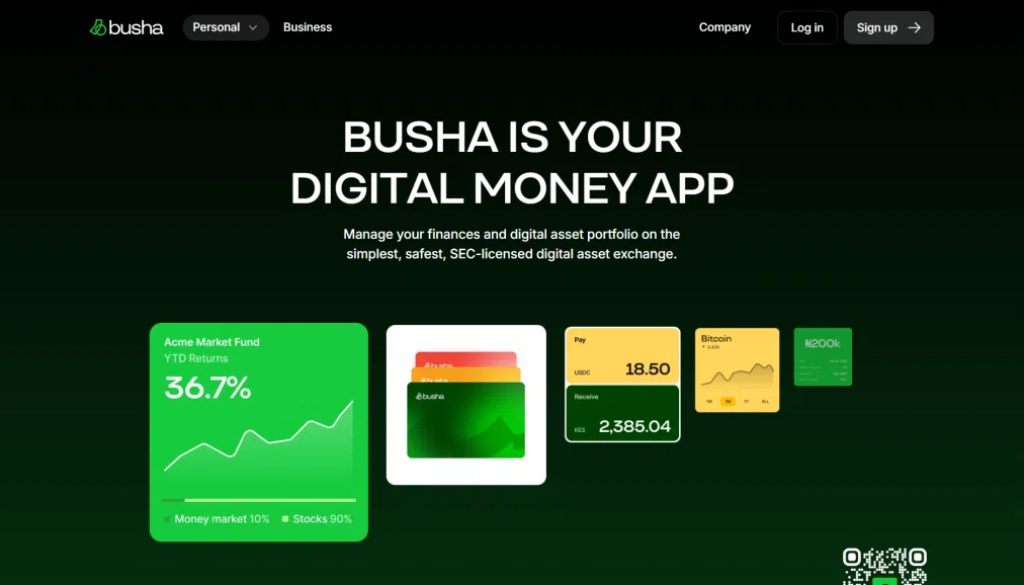
Busha is another platform with an SEC approval-in-principle (August 2024), and it says it has over 1 million users. It provides an intuitive interface for depositing and withdrawing Naira and supports both basic and advanced trading features. Busha also offers features such as instant swaps, price alerts, and secure wallet storage, which helps users manage their portfolios safely and efficiently.
Advantages of Using Platforms Similar to Bybit
- Access To A Wide Range Of Cryptocurrencies: These platforms allow trading of major coins like Bitcoin, Ethereum, and Solana, as well as numerous altcoins, giving users the flexibility to diversify portfolios and explore emerging tokens.
- Advanced Trading Tools And Charting Features: Traders can use technical indicators, real-time market data, customizable charts, and order types (limit, market, stop orders) to make more strategic trades.
- P2P Options For Naira Funding: Peer-to-peer systems enable deposits and withdrawals in Naira directly between users, bypassing banking restrictions while maintaining secure transactions.
- Local Support And Regulatory Compliance: Nigerian-focused exchanges follow SEC guidelines, provide local customer support, and maintain transparent processes, ensuring traders operate within the law.
- Secure And Uninterrupted Access: Platforms accessible from Nigeria prevent disruptions from blocked websites or apps, allowing traders to maintain continuous access to their accounts and markets.
Risks And Considerations
- Regulatory Risks: Nigerian banks may refuse crypto-related transactions, so it’s essential to use exchanges that officially support Naira deposits and withdrawals while complying with local regulations.
- Leverage Trading Risks: Trading with leverage can amplify both profits and losses, making proper risk management critical for inexperienced traders.
- Platform Security: Users must protect their funds by using strong passwords, enabling two-factor authentication (2FA), using secure devices, and managing their accounts carefully to prevent hacks and unauthorized access.
Bybit Alternatives for Nigerian Traders
While Bybit offers advanced trading tools and global market access, Nigerian users face restrictions with bank funding and blocked access. Local alternatives like Quidax and Busha, both admitted to the SEC’s incubation programme, support Naira deposits and withdrawals, while KuCoin offers similar trading tools but no Naira P2P. By using these platforms, Nigerians can trade cryptocurrencies safely, manage their portfolios effectively, and participate in the crypto market confidently while staying within local regulations.
You Might Also Like:
- Cryptocurrency Investment in Nigeria: What Beginners Need to Know
- How To Buy and Sell Cryptocurrencies In Nigeria – Detail Guide
- Understanding CBN’s Crypto Policy in Nigeria