The best books on cryptocurrency turn a subject that sounds complicated, like blockchain, wallets, and market cycles, into something you can picture clearly and explain to someone else. You don’t need a computer science degree to understand how Bitcoin moves or why a token has value.
You need the right starting point. Below are 11 books that cover crypto from different angles, ranked loosely from beginner-friendly to technical, so you can pick the one that matches where you are right now.
Crypto has its own vocabulary, and that vocabulary is often the biggest barrier for someone starting out. A blockchain is a shared, tamper-resistant ledger that many computers keep copies of at once, similar to a group chat where everyone has the same message history and no single person can quietly edit an old message. Once that idea clicks, terms like “mining,” “consensus,” and “proof of work” stop sounding abstract.
Books give you something a five-minute explainer video can’t: room to build an idea from the ground up, with examples, history, and context attached. That foundation carries measurable weight.
A 2024 study measuring crypto literacy against a standardized scale found that investors who scored higher had roughly 19% lower odds of reporting a financial loss than those who scored lower, a gap the researchers linked directly to gaps in understanding rather than market conditions, detailed in the full study on ScienceDirect.
A good crypto book walks you from “what is money” to “how does a decentralized network agree on anything” without skipping steps, which is exactly the kind of foundation that makes later research, whether that’s reading a whitepaper or comparing exchanges, much easier to follow. Here are eleven worth starting with, ranging from first-timer to technical reader.
1. The Internet of Money by Andreas M. Antonopoulos
Antonopoulos writes about Bitcoin as infrastructure rather than a speculative asset, focusing on what changes when money moves peer-to-peer without a bank in the middle. He walks through faster settlement, lower transaction costs, and access for people without traditional banking, then backs each point with a specific example rather than a broad claim.
This one works well for a reader who wants the “why” behind Bitcoin before touching the “how.” It’s also a solid pick for someone who already trades but wants a clearer answer the next time a friend asks what the point of Bitcoin is.
2. The Business Blockchain by William Mougayar
Mougayar treats blockchain as a business tool first, crypto asset second. The book moves through use cases in finance, healthcare, government record-keeping, and supply chains, explaining what each industry gains from a shared, verifiable ledger instead of a private database.
If your interest in crypto is mostly about how the underlying technology could change how companies operate, this is the more useful read of the two beginner titles here.
3. The Basics of Bitcoins and Blockchains by Antony Lewis
Lewis writes for someone who has never touched a wallet app or heard the term “gas fee.” The book starts with the history of money itself, then moves through Bitcoin fundamentals, how enterprise blockchains differ from public ones, and how initial coin offerings worked during crypto’s early fundraising era.
Diagrams throughout make it easier to follow the mechanics without a technical background, which is why it’s often the first recommendation for someone who says they don’t know where to start.
4. The FINTECH Book by Susanne Chishti
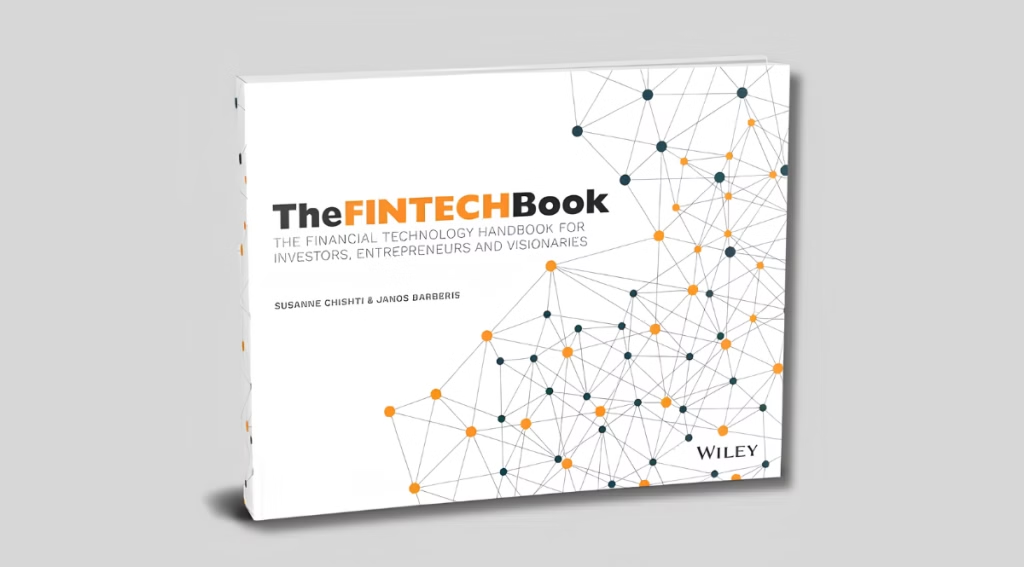
Chishti examines where traditional finance falls short, slow settlement, limited access, high fees, and lays out how blockchain-based systems address each gap. The book leans into fintech more broadly rather than crypto exclusively, covering how banks, regulators, and startups are responding to decentralized alternatives.
It suits a reader who wants the finance-industry perspective on crypto rather than a crypto-first perspective on finance.
5. Early Bird Gets the Bitcoin by Andrew K. Courey
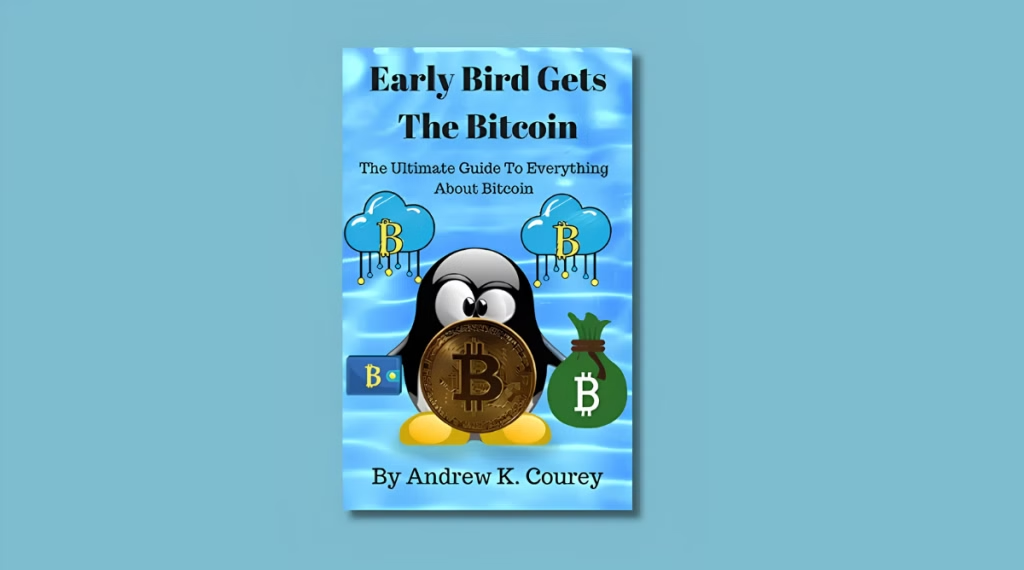
Courey’s focus sits beyond Bitcoin itself, on what blockchain infrastructure could mean for industries like healthcare and government once the technology matures. The book outlines specific opportunities in each sector rather than treating “blockchain will change everything” as a given.
This is a better fit for a reader who already has some grounding in crypto basics and wants to think through where the technology goes next.
6. Cryptocurrency Investing Bible by Alan T. Norman
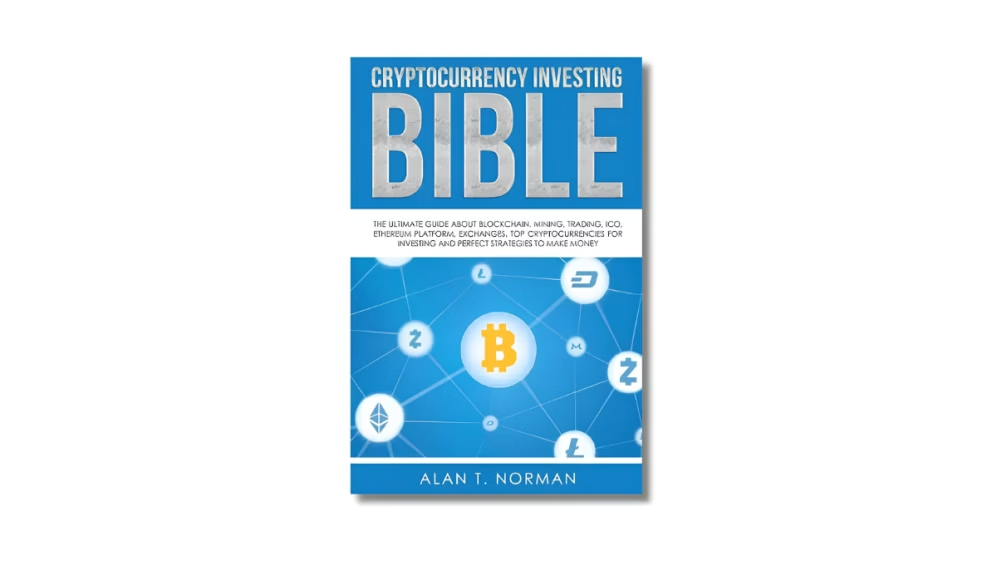
Norman writes in plain, practical language aimed at someone comfortable managing their own money but new to crypto specifically. The book covers foundational guidelines for entering the market: setting up a wallet safely, understanding volatility, and avoiding common first-time mistakes.
It works as a companion to the more conceptual books on this list, useful once you’re ready to think about holding an asset rather than just understanding what one is.
7. An Altcoin Trader’s Handbook by Nik Patel
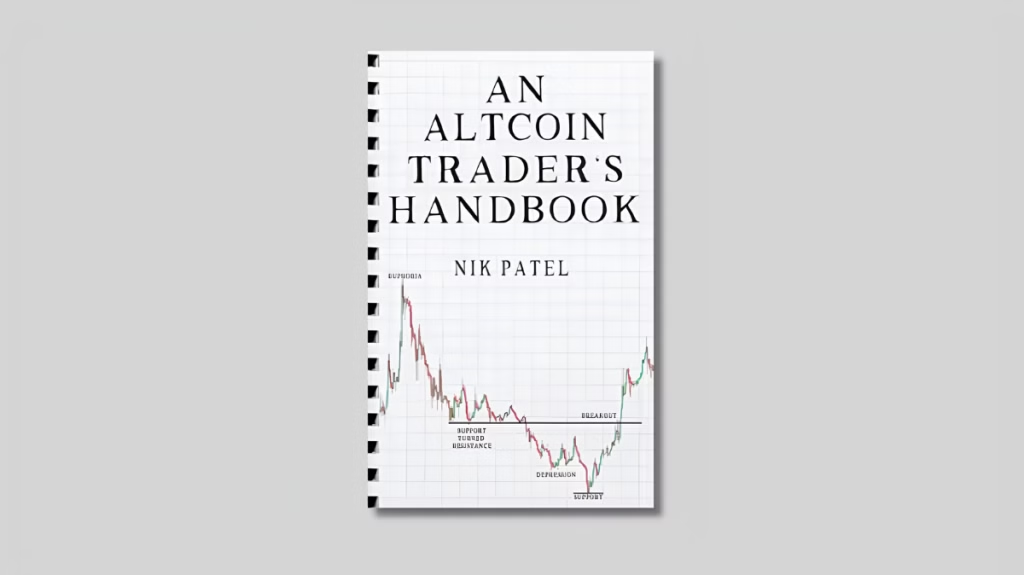
Patel covers the history of altcoins, coins other than Bitcoin, through the 2017 bull run, when the space expanded well beyond a single asset. The book hasn’t been updated to include coins launched since, so treat it as a history and strategy-framework read rather than a current market guide.
It’s most useful for understanding how past cycles played out and building intuition for how altcoin trading dynamics tend to repeat, even with different tokens involved.
8. Mastering Bitcoin by Andreas M. Antonopoulos
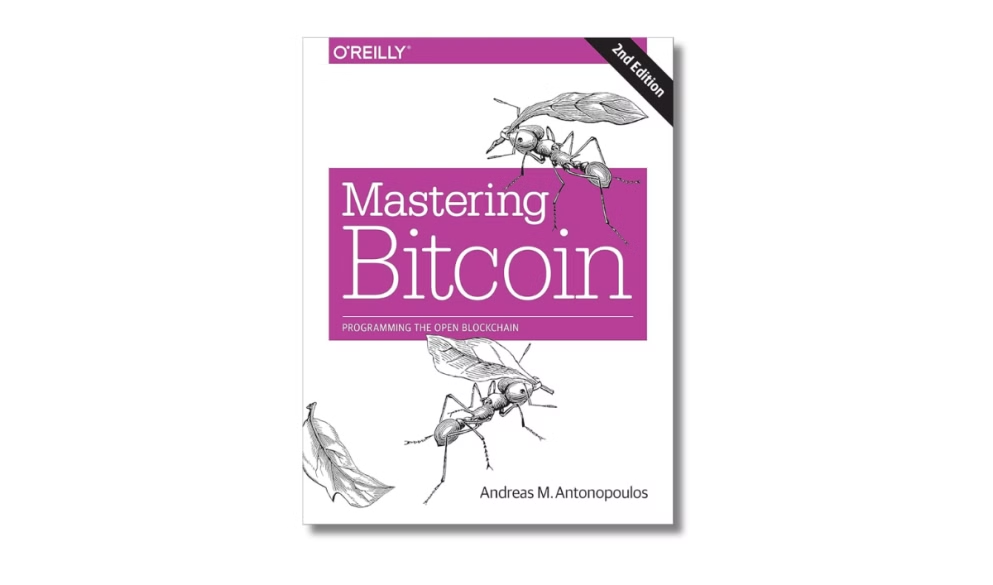
This is the technical counterpart to Antonopoulos’s other book on this list. Mastering Bitcoin breaks down how transactions are constructed, how mining secures the network, and how nodes reach agreement without a central authority, the kind of detail developers and advanced learners look for.
If The Internet of Money answers “why does Bitcoin matter,” this book answers “how does Bitcoin work under the hood.” Expect code snippets and protocol-level explanations rather than plain-English analogies throughout.
9. Cryptoassets by Chris Burniske and Jack Tatar

Burniske and Tatar build a framework for evaluating digital assets beyond price alone, covering how to think about risk, valuation methods, and where a given crypto project sits in its life cycle. The book also covers market cycle behavior and investor psychology, useful context for anyone who has watched a coin’s price swing without understanding why, and it pairs well with a broader look at how crypto compares to traditional investments.
It’s aimed at a reader who wants a structured, analytical approach to crypto rather than a narrative introduction, making it a natural next step after the more beginner-focused titles above.
10. The Bitcoin Standard by Saifedean Ammous
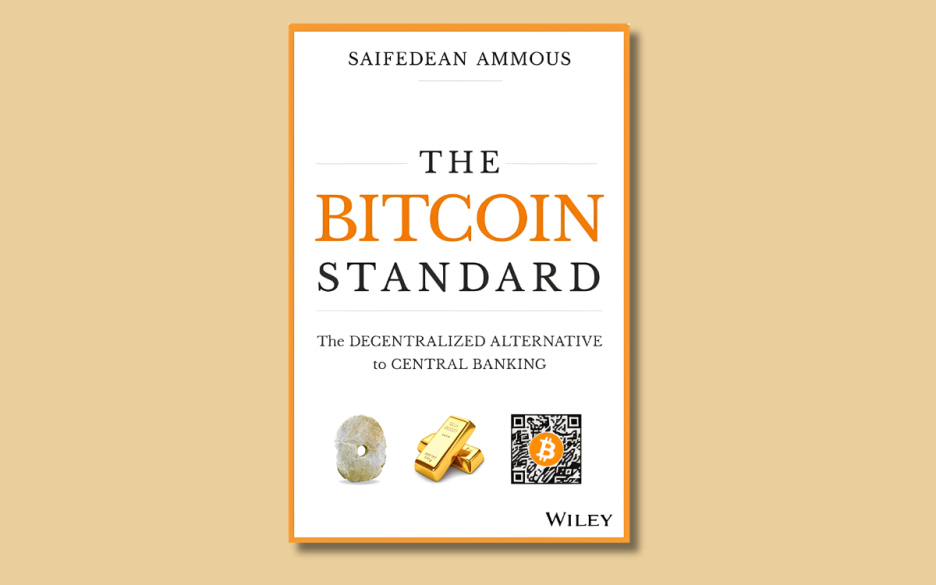
The Bitcoin Standard explores the history of money and explains how Bitcoin fits into the evolution of monetary systems. Saifedean Ammous covers everything from early forms of money and gold to modern fiat currencies before examining Bitcoin’s properties as a decentralized digital asset.
The book offers a strong economic perspective on why Bitcoin was created and the problems it aims to address. It is a useful choice for readers who want to understand Bitcoin beyond its technology and price, although some of its economic arguments reflect the author’s strong sound-money perspective.
11. Broken Money by Lyn Alden
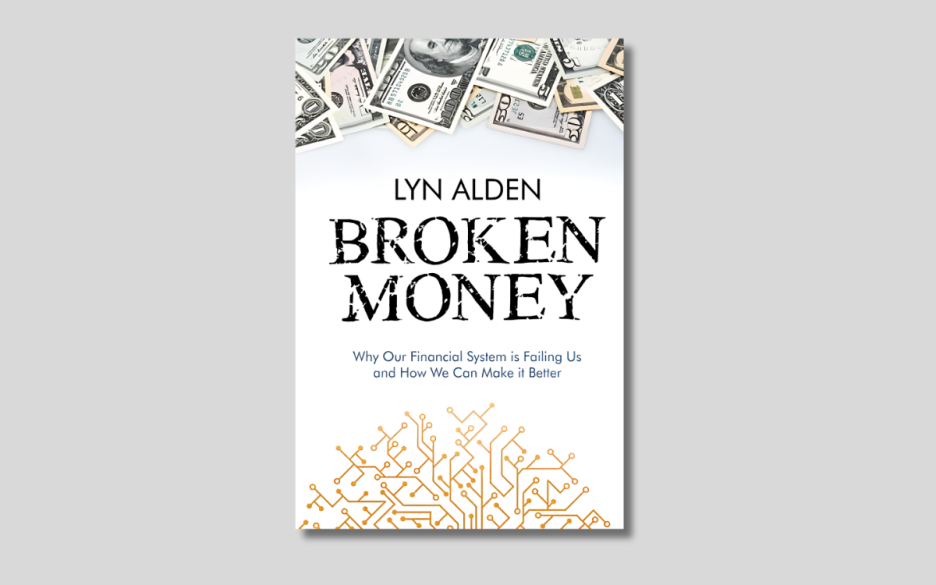
Broken Money examines how money has evolved alongside technology, from early monetary systems and banking to modern digital payments. Lyn Alden also explores Bitcoin, stablecoins, central bank digital currencies, and the technological forces shaping the future of money.
The book provides a broader financial and economic perspective on cryptocurrency and helps readers understand how digital assets fit into the existing monetary system. It is particularly useful for readers who want to explore the relationship between technology, money, and the global financial system.
How to Pick the Right Book for Your Level
Match your current stage to one of the paths below rather than starting at the top of the list.
- If you’ve never bought crypto: Start with “The Basics of Bitcoins and Blockchains.” It assumes no prior knowledge and builds every concept from the ground up.
- If you understand Bitcoin exists but not why it matters: Read “The Internet of Money” next. It fills in the philosophy and real-world motivation.
- If you’re ready to think about investing: Move to “Cryptocurrency Investing Bible” for practical fundamentals, then “Cryptoassets” for a more analytical valuation framework.
- If you want the technical layer: Save “Mastering Bitcoin” for last. It’s the most demanding read on this list and makes more sense once the earlier concepts are familiar.
- If your interest is blockchain outside of trading: “The Business Blockchain” and “Early Bird Gets the Bitcoin” cover enterprise and cross-industry use cases directly.
Common Mistakes to Avoid When Learning From Crypto Books
Reading widely helps, but a few habits can limit what you take away from any of these titles.
A. Treating Price Predictions in Older Books as Current Guidance
Books written even two or three years ago reflect market conditions that no longer apply. Use them for concepts and frameworks, and check current market analysis separately for specific price targets or timing.
B. Skipping Straight to Technical Books
Starting with “Mastering Bitcoin” before building basic vocabulary is a common reason people give up on a book halfway through. Build the foundation first.
C. Reading Only One Perspective
A book focused purely on trading strategy won’t explain the underlying technology, and a purely technical book won’t cover investment risk. Mixing at least one conceptual title with one practical title gives a fuller picture.
One Book Is Enough to Start
Pick the title that matches where you are right now rather than trying to work through this list in order. A beginner who starts with “Mastering Bitcoin” is more likely to give up than one who starts with a plain-English introduction and works up from there. Once you’ve finished your first pick, the crypto basics hub has shorter guides on wallets, exchanges, and terminology to fill in the gaps between chapters.
Frequently Asked Questions
Still deciding where to start? These are the questions readers ask most often before picking up their first crypto book.
What is the best book for a complete beginner in cryptocurrency?
“The Basics of Bitcoins and Blockchains” by Antony Lewis is built specifically for readers with no prior exposure to crypto, starting with the history of money before introducing blockchain concepts.
Do I need to read a technical book to understand crypto?
No. Books like “The Internet of Money” and “The Business Blockchain” explain crypto’s purpose and use cases without requiring any coding or technical background. Technical books like “Mastering Bitcoin” are optional and aimed at developers or advanced learners.
Are these books still relevant given how fast crypto changes?
The core concepts, how blockchains reach consensus, why decentralization matters, how to evaluate a digital asset, hold up well over time. Specific price data, coin rankings, or regulatory details in any book should be checked against current sources before you rely on them.
Should I read a book before or after opening an exchange account?
Before, if possible. Understanding basic concepts first makes it easier to compare exchanges, set up a wallet safely, and avoid decisions driven by hype rather than understanding.
Where can I find more free ways to learn about crypto?
Beyond books, our free crypto resources roundup covers newsletters, courses, and tools that stay updated more frequently than any printed book can.