Crypto scams cost victims billions of dollars every year, and the tactics keep changing. Phishing links and fake giveaways still work, but 2026 has added a new layer: AI-generated voices, faces, and trading dashboards that are convincing enough to fool experienced traders, not just beginners.
If you are new to crypto, the good news is that most scams follow a handful of repeatable patterns. Chainalysis estimates crypto scams generated more than $17 billion in losses in 2025 alone, with impersonation scams growing over 1,400% year over year.
Once you can recognize them, they become much easier to spot before you lose anything. This article walks through the seven scams that show up most often right now, how each one works, and what to check before you send funds, connect a wallet, or trust a stranger online.
How Do Crypto Scams Work?
Most crypto scams rely on two things working together: urgency and trust. A scammer creates a reason to act fast, whether that’s a limited-time airdrop, a suspicious login alert, or a friend supposedly in trouble, and then leans on a signal of legitimacy, like a cloned website, a familiar logo, or a familiar-sounding voice on a call.
Crypto is a useful target for this because transactions are irreversible. Once funds leave your wallet, there is no bank to call and no chargeback to file.
Understanding the mechanics matters more than memorizing a list. A phishing email and a fake celebrity deepfake video are different formats built on the same idea: get you to act before you verify. Nearly every dollar lost to “crypto hacks” traces back to a scam targeting a user, wallet, or exchange, not a flaw in Bitcoin’s network.
Why Do Crypto Scams Matter for Someone New to Bitcoin?
Crypto scams matter for someone new to Bitcoin because beginners are the most attractive targets: they are still learning what real exchange messages look like and are more likely to panic at an account warning. Crypto transactions are irreversible, and one early loss can be enough to push a newcomer away from crypto entirely.
If you’re buying your first Bitcoin or setting up a wallet for the first time, you’re also the most attractive target.
New users don’t yet know what a legitimate exchange email looks like, haven’t developed the habit of checking a URL character by character, and are more likely to panic if a message claims their account is at risk.
Scammers know this, which is why beginner-focused platforms and first-time-buyer communities get targeted heavily.
Losing funds to a scam early on can be enough to push someone away from crypto entirely, even though the underlying technology had nothing to do with what happened. Learning to recognize these patterns now protects both your money and your confidence in using crypto safely.
For a broader look at protecting your holdings once you’re set up, our guide how to avoid social engineering in crypto covers the tactics scammers use to manipulate you directly, separate from the technical tricks below.
7 Common Crypto Scams to Watch For
Here are the seven scams showing up most often right now, how each one works, and what to check before you send funds, connect a wallet, or trust a stranger online.
1. Phishing Attacks
Phishing remains the most common entry point for crypto theft. Scammers build fake websites, emails, or direct messages that copy real platforms like Coinbase or MetaMask closely enough to pass a quick glance. The goal is simple: get you to type your seed phrase, private key, or login credentials into a page the scammer controls.
These messages almost always create urgency. A fake “suspicious login detected” alert or a countdown timer pushes you to act before you think to verify the sender or the URL. Once your credentials are entered, a scammer can drain a wallet or account within minutes.
How to avoid it: Type URLs from memory or a bookmark rather than clicking links in messages. Never enter a seed phrase outside your wallet’s own setup screen. Treat urgent account alerts as suspicious until verified through the official app.
2. Rug Pulls
A rug pull happens when a project’s developers build hype around a new token, collect investor funds, then pull the liquidity or vanish outright. This is especially common with meme coins and newly launched tokens, where fast hype and low transparency create the exact conditions a rug pull needs.
Some rug pulls are obvious in hindsight, but the more damaging ones look credible right up until the moment liquidity disappears. A polished website, a fabricated audit certificate, and a coordinated wave of social media promotion can make a scam project look more legitimate than an honest one that hasn’t invested in marketing yet.
How to avoid it: Check whether liquidity is locked and the contract is verified on a block explorer. Research the team, not just the chart. Be extra cautious with tokens launched days ago and being heavily promoted at the same time.
3. Fake Airdrops
Airdrops are a legitimate way for projects to distribute tokens, which is exactly what makes fake versions effective. A fake airdrop typically promises free tokens in exchange for connecting your wallet or signing a transaction. Instead of receiving anything, you may be granting a malicious contract permission to move assets out of your wallet later, without needing another approval from you.
These scams spread through social media posts, cloned project websites, and messages that copy real branding closely enough to look official. Because the wallet connection itself often looks routine, victims frequently don’t notice anything wrong until funds are already gone.
Our guide to common crypto airdrop mistakes covers this and other pitfalls to check before you farm any campaign.
How to avoid it: Confirm any airdrop through the project’s official site or verified social account before connecting a wallet. Review and revoke old token approvals periodically. Treat “free tokens, just connect” offers with the same skepticism as anything that sounds too easy.
4. Ponzi and Pyramid Schemes
Crypto Ponzi schemes present themselves as investment platforms offering guaranteed or unusually high returns. In reality, early investors are paid using money from newer investors, not from any real profit-generating activity. The scheme works only as long as new deposits keep flowing in, and it collapses the moment that flow slows down.
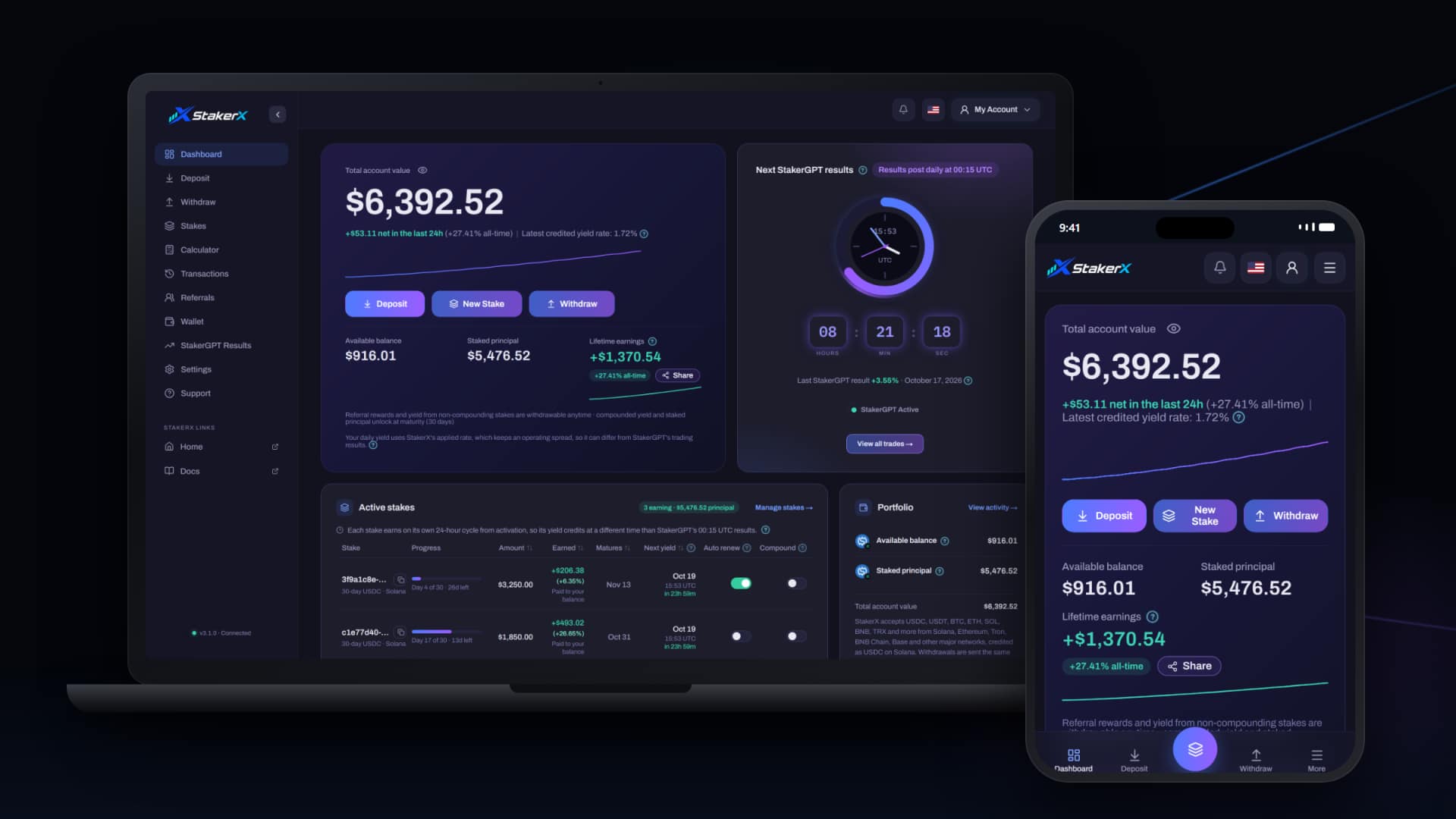
These platforms often display fake earnings dashboards showing steady gains and heavily promote referral programs that reward users for recruiting others. A platform that can’t clearly explain how it generates returns, beyond “trading” or “arbitrage” in vague terms, is showing one of the clearest warning signs in crypto.
How to avoid it: Be skeptical of guaranteed or fixed returns, since real markets don’t work that way. Ask how the platform makes money, and treat a vague answer as a red flag. Be wary of platforms that pay more for recruiting than investing.
5. Impersonation Scams
Impersonation scams involve someone posing as a trusted figure, whether that’s exchange support staff, a project admin, or a well-known name in crypto. Contact usually comes through social media, direct messages, or comment sections, often offering help, a reward, or an “exclusive” opportunity that requires quick action.
To make the impersonation convincing, scammers copy real usernames, profile photos, and branding closely, and some go as far as building accounts designed to look verified. This makes it genuinely difficult to distinguish a real account from a fake one at a glance, especially when the message feels personal or time-sensitive.
How to avoid it: Legitimate support never initiates contact through DMs or asks for a seed phrase. Verify any account through the official site before trusting it. Treat urgent requests for payment or sensitive info as a reason to pause, not act faster.
6. Malware and Fake Apps
Malware scams disguise harmful software as legitimate crypto tools such as trading apps, wallet software, or browser extensions. Once installed, these programs can log keystrokes, steal wallet data, or quietly alter transaction details before you confirm them, often without any visible sign that something is wrong.
Fake apps are usually near-identical copies of popular tools, distributed through unofficial websites or third-party download sources rather than official app stores. The closer the copy, the harder it is to catch before installation.
How to avoid it: Download apps only from official sites or verified app stores, never a link from a message or forum. Keep your device and browser updated. For long-term holdings, a hardware wallet keeps private keys offline and out of reach of this entire category.
7. Pig Butchering and AI Deepfake Investment Scams
Pig butchering is the fastest-growing and most damaging crypto scam right now. It starts on a dating app, social platform, or even LinkedIn, where a scammer builds a relationship over weeks or months before mentioning crypto. Once trust is there, they introduce an “exclusive” trading platform showing fabricated, steadily climbing profits on a dashboard they control.
The 2026 twist is AI. Deepfake voice and video make a “friend” or partner feel real on a call, and the same tools power fake celebrity endorsements for fraudulent platforms. A live video call is no longer proof of identity. One clear red flag: being asked to pay a “fee” or “tax” to unlock a withdrawal. Legitimate platforms never charge to release your own funds.
How to avoid it: Be wary of any online relationship that moves toward a crypto investment. Verify platforms independently, not through a link a contact sends. Treat a withdrawal fee request as a stop signal, and report suspected targeting to the FBI’s Internet Crime Complaint Center.
Where to Check Next
Once you can spot these seven patterns, the next step is locking down the habits that stop them before they start. That means moving passwords out of your head and into a password manager, reviewing wallet permissions on a regular schedule instead of never, and treating any live video call involving money as unverified until proven otherwise. Our guide to common crypto security mistakes walks through these habits in more depth, including the wallet and account settings most people never get around to checking.
Frequently Asked Questions
Still have questions? These are the ones that come up most often when someone is trying to get their bearings on crypto scams.
What should I do if I think I’ve been scammed?
Stop sending any further funds immediately and revoke wallet permissions connected to the suspicious platform using a permission-checking tool. Report the incident to the FBI’s Internet Crime Complaint Center at ic3.gov if you’re in the US, and contact your exchange’s support team directly through their official app, not through a link anyone sent you.
Can crypto scams be reversed?
Blockchain transactions are irreversible by design, so a completed transfer generally cannot be undone. In some cases, quick reporting to law enforcement has helped freeze funds before a scammer moves them further, which is why reporting quickly matters even though full recovery isn’t guaranteed.
How can I tell if an airdrop is real?
Check the project’s official website and verified social accounts directly rather than trusting a link shared in a DM or comment section. A real airdrop will never ask for your seed phrase, and most legitimate projects publish eligibility criteria and a claim process on their own domain well before the airdrop is announced elsewhere.
Are deepfake video calls really that convincing now?
Yes. AI-generated voice and video tools have advanced enough that a live call is no longer reliable proof of someone’s identity. If a call involving money or crypto feels off in any way, verify the person’s identity through a separate, independent channel before acting.