Key Takeaways
- Web3 is a new type of internet that uses blockchain to give users more control over their data, rather than big tech companies.
- In Web3, people can own their data, identity, and digital items without relying on central platforms.
- The internet changed from Web1 (read-only), to Web2 (interactive but controlled by companies), to Web3 (user-owned).
The internet has changed a lot since it first began. It started as a simple way to share information, then grew into an interactive space shaped by big tech companies and social media platforms. Now, a new phase called Web3 is taking shape, and it is changing how the internet works.
Web3 is more than just new technology. It is a new way of building the internet using decentralized systems like blockchain, where control is shared among users rather than held by big companies. This allows people to own and manage their data, digital identity, and online assets, and to interact directly with platforms without relying on central authorities.
In this article, we will explore what Web3 is and why it matters for the future of the internet.
What Is Web3?
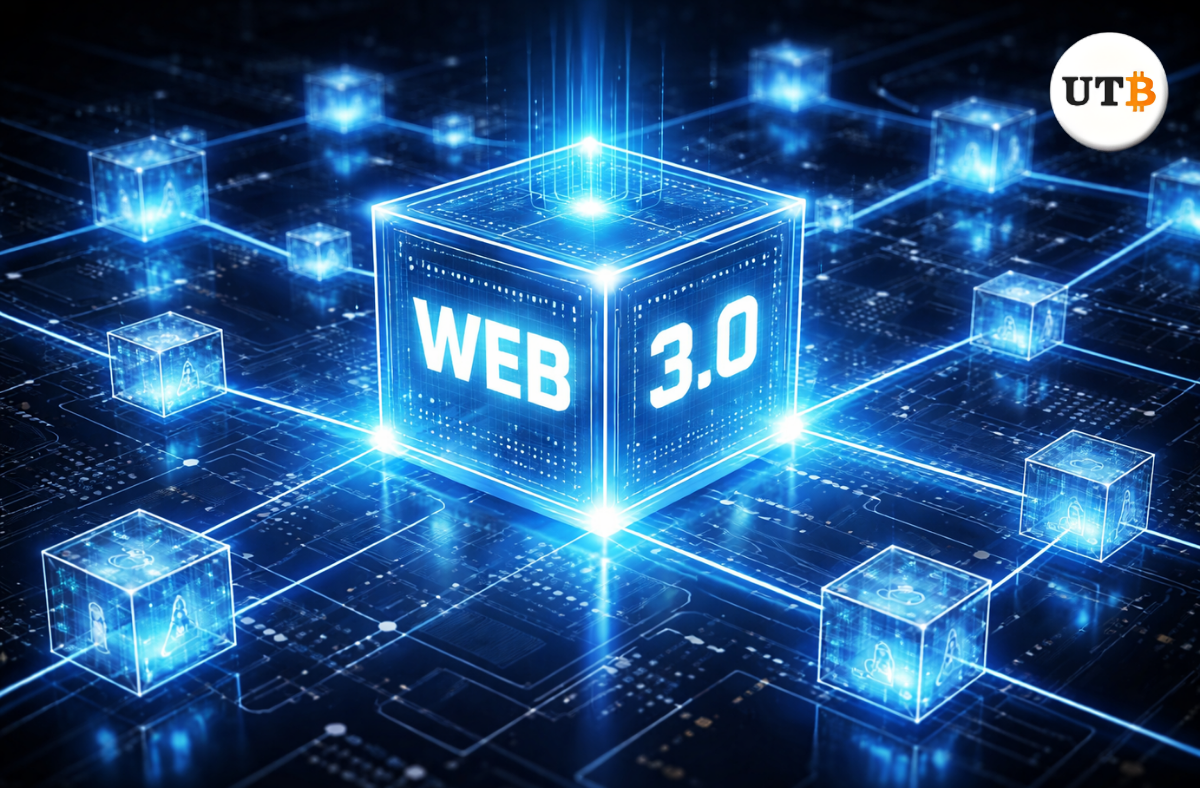
Web3 is the next generation of the internet, built on decentralized networks such as blockchain. Unlike traditional systems, where companies run and control most online services, Web3 spreads data and operations across many independent computers in a network. Because of this structure, no single company or authority has full control over how the system runs.
Applications work through smart contracts, and users connect to them using digital wallets and cryptographic keys instead of usernames and passwords. In simple terms, Web3 is an internet where users have more direct control over how they access, use, and manage their digital activities.
The Evolution of the Internet
To understand Web3, it helps to see how the internet has changed over time:
Web1: Read-Only Internet
Web1 was the earliest version of the internet. It was mostly static, meaning users could only read information from websites. There was very little interaction, and content was mainly created by a small number of publishers or developers.
Web2: Interactive but Centralized Internet
Web 2.0 introduced the internet that most people use today. It brought social media, mobile apps, and cloud-based services, allowing users to create, share, and interact with content. However, these platforms are largely controlled by big tech companies, which store user data and manage access to services.
Web3: Ownership-Based Internet
Web3 builds on this by moving control away from centralized platforms. It uses decentralized systems to let users own digital assets, manage their identity, and interact directly with applications without relying heavily on intermediaries. This creates a more open model where users have greater control over their online presence and value.
How Web3 Works
Web3 is built on a few key technologies that work together to create a more open and decentralized internet.
A. Blockchain Networks
A blockchain is a shared digital record that runs across many computers at once. Instead of one company controlling the data, it is stored and verified by the network itself. Each record is added in a way that is very hard to change, which helps keep information secure and transparent without needing a central authority.
B. Smart Contracts
Smart contracts are simple programs stored on the blockchain that automatically carry out actions when certain conditions are met. As an example, they can handle payments or confirm agreements without needing a middleman. This makes processes faster, more direct, and less dependent on third parties.
C. Decentralized Applications (dApps)
dApps are apps that run on blockchain networks rather than on traditional centralized servers. They connect directly to users through wallets and operate without being controlled by a single company. This allows them to work in a more open and transparent way.
D. Digital Wallets
Digital wallets are the entry point to Web3. They store secure keys that prove ownership and identity, letting users log in, sign transactions, and manage digital assets without using traditional usernames or passwords.
Key Principles of Web3
Web3 is shaped by a few simple ideas that explain how it works and what makes it different from the traditional internet.
1. User Ownership
In Web3, users have direct control over their data, digital identity, and assets. Instead of platforms collecting and managing this information on their behalf, users decide what to share, how it is used, and where it can move. This returns ownership back to the individual.
2. Decentralization
Rather than relying on one central company or server, Web3 distributes control across a network of computers and participants. This reduces dependence on intermediaries and helps make systems more resilient, since there is no single point that can control or shut down the network.
3. Transparency
Most Web3 systems are built on blockchains where transactions and records can be verified by anyone in the network. This creates a transparent environment where actions are traceable and harder to manipulate, improving trust between users.
4. Interoperability
Web3 applications are designed to connect and work across different platforms. This means digital assets, identities, and data are not locked into a single service and can move more freely across apps and ecosystems, giving users greater flexibility and control.
Web3 and Digital Identity
In Web2, your digital identity is usually tied to usernames, emails, and platform accounts managed by companies. These accounts can be controlled, restricted, or even removed by the platforms that host them.
In Web3, identity is linked to cryptographic keys stored in a digital wallet instead of centralized accounts. This gives users direct control over their identity and allows them to use it across different applications without relying on a single platform.
Web3 and Digital Ownership
One of the biggest changes in Web3 is how digital ownership works. Instead of just using or accessing online content and assets, users can truly own them through blockchain-based systems. These digital assets can include tokens, in-game items, NFTs, or even representations of real-world value.
Because they exist on blockchain networks, they can be securely stored, transferred, and verified without relying on traditional banking systems or centralized platforms. This creates a more transparent ownership model in which control is recorded on the blockchain and cannot be easily changed or removed by a single company or authority.
Real-World Uses and Benefits of Web3
- Decentralized Finance Systems: Financial services built on blockchain that operate without traditional banks, allowing users to send, receive, lend, and manage digital assets directly through peer-to-peer networks.
- Digital Marketplaces: Online platforms powered by blockchain where users can securely buy, sell, and trade virtual goods, tokens, and other digital assets with verified ownership.
- Blockchain Gaming: Gaming ecosystems where in-game items are stored on the blockchain, giving players real ownership and the ability to trade or move assets across different games and platforms.
- Decentralized Identity Systems: Identity solutions that let users log in and verify themselves using blockchain-based credentials, reducing dependence on centralized accounts like emails or social logins.
- Creator Platforms: Content platforms where creators retain ownership of their work and can earn directly from their audience without relying heavily on intermediaries or platform-controlled monetization systems.
Challenges and Limitations
- Complexity: Many Web3 tools and platforms remain difficult for beginners to use, especially for those unfamiliar with blockchain, wallets, or private key management. This learning curve can slow down adoption.
- Scalability: Some blockchain networks have limited capacity, meaning they can become slow or expensive when too many users are active at the same time. This makes it harder to support large-scale, everyday use.
- Security Responsibility: In Web3, users are fully responsible for their wallets, private keys, and digital assets. If access is lost or credentials are stolen, there is usually no way to recover them.
- Regulatory Challenges: Governments around the world are still figuring out how to regulate decentralized systems, which creates unclear rules for developers, businesses, and users.
- Adoption Barriers: Web3 is still in the early stages of development, and many applications are experimental. Widespread use is limited, and mainstream adoption has not yet fully developed.
The Future of Web3
The future of Web3 will largely depend on how well it can address its current challenges, especially around scalability, security, usability, and clear regulations. As developers improve these areas, Web3 applications could become faster, easier to use, and more accessible to everyday users.
Over time, Web3 is more likely to evolve into an additional layer of the internet rather than a full replacement for Web2. It may work alongside existing platforms, gradually reshaping how digital ownership, identity, and online interactions are managed across the internet.
Final Thoughts
Web3 is changing how the internet works by giving users more control over their data, identity, and digital assets, rather than relying on big platforms. It introduces a more open way of using the internet, where ownership and control are more in the hands of users. Even though it is still developing and faces challenges such as usability, scalability, and unclear regulations, Web3 is already showing strong potential in areas like finance, gaming, identity, and digital ownership. As it continues to improve, it will likely grow alongside Web2 and gradually change how people interact online in a more open, user-controlled way.
You Might Also Like: