Key Takeaways
- Coins.ph now lets Filipinos pay with BTC and ETH through QRPh, making crypto spending as easy as scanning a QR code.
- Bitcoin and Ethereum payments now work across around 700,000 QRPh merchants nationwide in the Philippines.
- BTC and ETH can now be used for groceries, dining, retail shopping, and other daily purchases across the country.
Filipinos can now use Bitcoin and Ethereum to pay for everyday purchases, as Coins.ph expands its QRPh payment feature to support both cryptocurrencies. Users can spend their crypto balances at any QRPh-enabled merchant nationwide without manual conversion or extra steps, turning two of the world’s most recognized digital assets into a payment option as simple as any bank transfer.
The update follows Coins.ph’s earlier rollout of stablecoin payments and is a big move in the Philippines’ push to bring crypto into mainstream commerce. With QRPh already embedded in the country’s growing cashless payment network, Bitcoin and Ethereum now have a direct path to everyday spending, from sari-sari stores to major retailers, bridging the long-standing gap between holding crypto and actually using it.
What Is QRPh?
QRPh is the Philippines’ national QR payment standard, developed by the Bangko Sentral ng Pilipinas (BSP) to unify digital payments across banks, e-wallets, and merchants. Before QRPh, businesses had to juggle separate QR codes for every payment platform. The standard solves this by giving merchants a single universal code that works across all participating apps.
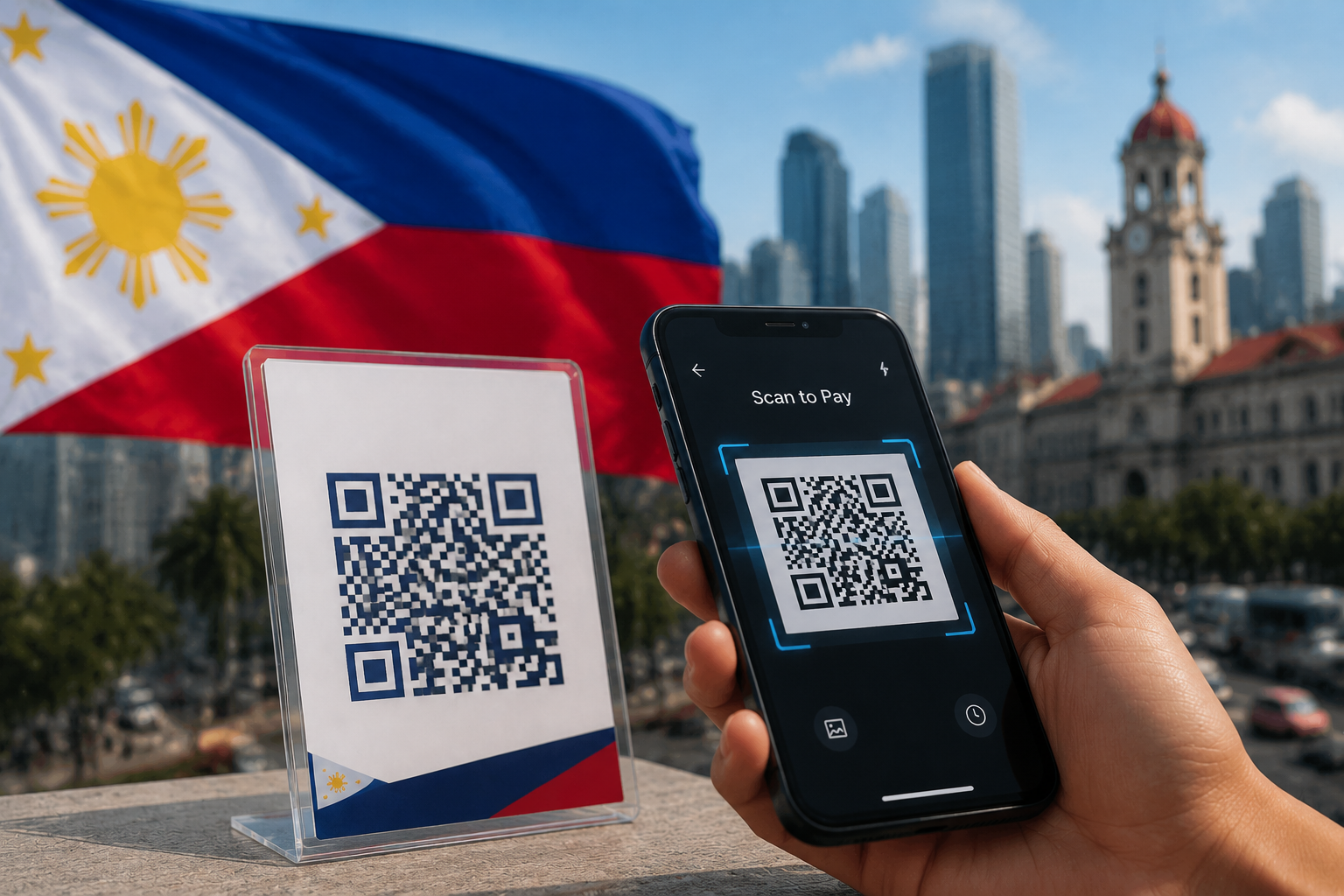
With Coins.ph’s latest update, that same QR code now works with crypto. Users simply scan a merchant’s QRPh code and pay using their Bitcoin or Ethereum balance. Behind the scenes, Coins.ph automatically converts crypto to Philippine pesos at checkout, so merchants receive fiat currency as usual without ever having to handle digital assets themselves.
BTC and ETH Payments Now Reach Hundreds of Thousands of Merchants
The rollout covers roughly 700,000 merchants across the Philippines, from neighborhood restaurants and cafes to convenience stores, retail shops, and service providers already on the QRPh network.
With that many merchants on board, Bitcoin and Ethereum are no longer just assets people hold and wait on. Filipinos can now spend them at businesses they already visit every day, whether that’s grabbing coffee, paying for groceries, or settling a bill.
For crypto holders, it’s a practical upgrade. The same digital assets sitting in a Coins.ph wallet can now do something most people never expected crypto to do this soon in the country: work like everyday money.
Why This Matters for Crypto Adoption
Most crypto payment systems fall short for the same reasons: too few merchants accept them, and the payment process is complicated enough to push people away. This integration gets around both problems by plugging Bitcoin and Ethereum directly into a payment network that businesses and consumers are already using daily.
The timing works in its favor. The Philippines is one of the most active crypto markets in Southeast Asia, driven by:
- Strong remittance demand from millions of overseas Filipino workers.
- Widespread mobile wallet adoption across urban and rural areas.
- Growing retail interest in Bitcoin and Ethereum as everyday assets.
A feature built on existing infrastructure doesn’t need to convince anyone to change their habits. It just works.
What makes this stand out is how rare it actually is globally. Few countries have managed to connect major cryptocurrencies to a national QR payment standard at this scale. For the Philippines, it signals that crypto is moving past trading and remittances and into something more lasting: a functional part of everyday commerce.
Final Thoughts
Coins.ph’s QRPh expansion isn’t just a product update. It’s a sign of where crypto in the Philippines is heading. With Bitcoin and Ethereum now spendable at hundreds of thousands of merchants through a system people already use, the gap between owning crypto and actually using it is narrowing fast. Whether this becomes the model other countries follow will depend on how quickly merchants, consumers, and regulators get on board. But for now, the Philippines has quietly done something most of the world hasn’t: made spending crypto feel normal.
Frequently Asked Questions
What is QRPh in the Philippines?
QRPh is the Philippines’ national QR payment standard created by the Bangko Sentral ng Pilipinas (BSP). It allows banks, e-wallets, and payment apps to use one universal QR code for digital payments.
Can Filipinos now pay with Bitcoin and Ethereum using QRPh?
Yes. Coins.ph now allows users to pay QRPh merchants using Bitcoin ($BTC) and Ethereum ($ETH). Payments are converted into Philippine pesos automatically during checkout.
Do merchants need a crypto wallet to accept BTC or ETH payments?
No. Merchants still receive payments in Philippine pesos. The crypto conversion happens behind the scenes, so businesses do not need to manage digital assets directly.
How many merchants support BTC and ETH payments through QRPh?
The integration reportedly reaches around 700,000 QRPh merchants across the Philippines, making it one of the largest crypto payment rollouts in Southeast Asia.
You Might Also Like: