Key Takeaways
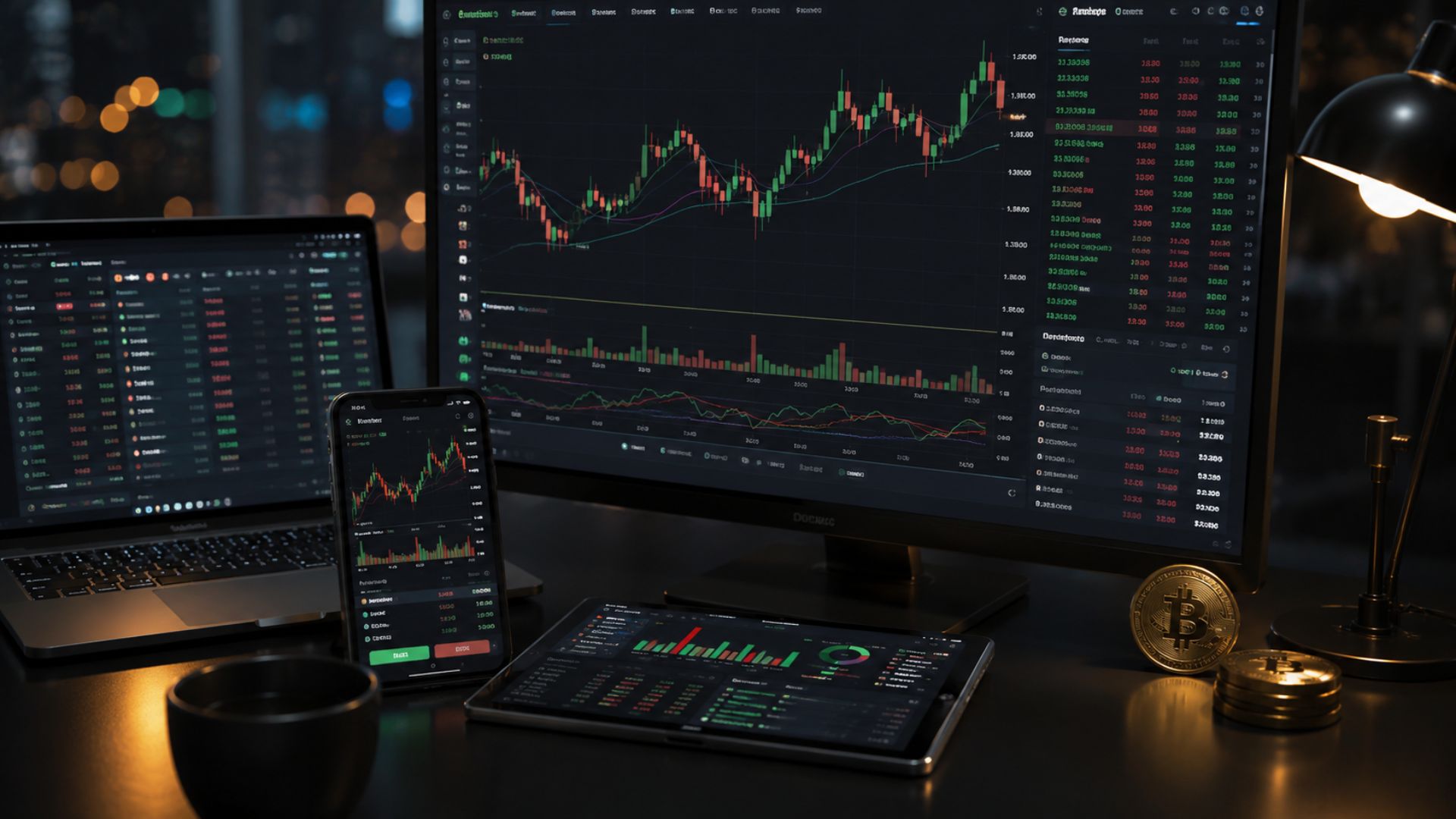
- The best platforms to track crypto market live combine real-time price feeds, depth charts, and portfolio tools in one place.
- Free tools like CoinGecko and CoinMarketCap cover most needs, but exchange-native dashboards offer tighter, faster data for active traders.
- On-chain tools like Glassnode and CoinGlass show you what the market is actually doing before price fully reacts.
Watching the crypto market move in real time is one thing, but having the right tools to read that movement is something else entirely. Whether you trade daily or just check prices a few times a week, the platform you use shapes the quality of every call you make. Some tools give you price. The better ones tell you why price is moving and where it might go next.
Which Free Market Trackers Cover the Most Ground?
Free platforms have improved dramatically over the past few years, and most traders still rely on them as a first stop before looking anywhere else. They pull data from hundreds of exchanges and present it in one clean feed, giving you a broad market picture without logging into multiple accounts.
The two most widely used free trackers are CoinGecko and CoinMarketCap. Both display live prices, trading volume, market cap rankings, and historical data across thousands of assets.
CoinGecko tends to list newer and smaller tokens faster than most competitors, which matters a lot if you follow early altcoin trends. CoinMarketCap carries stronger brand recognition and integrates tightly with Binance, which acquired it back in 2020.
Before spending too much time comparing rankings across either platform, it helps to understand what those numbers actually reflect. This breakdown of crypto market cap gives you the context you need to read those figures correctly.
Which Exchange Dashboards Work Best for Active Traders?
Exchange-native dashboards give you something free trackers simply cannot provide. You get live order book data, real-time liquidation feeds, and trading tools all sitting in one screen without switching between tabs. If you trade with any regularity, these platforms deserve a permanent spot in your daily workflow.
Here are the exchanges with the strongest built-in market tracking tools available right now:
- Bybit: Bybit’s trading interface shows live depth charts, funding rates, and open interest data right alongside price, and its derivatives dashboard ranks among the most detailed available to retail traders today.
- Binance: Binance offers TradingView-powered charts natively, plus a live market overview page that covers spot, futures, and options all in one unified view.
- Phemex: Phemex keeps its interface clean and responsive, with solid charting tools and a contracts market overview that updates continuously in real time.
- KuCoin: KuCoin recently integrated its futures market data directly into TradingView, giving traders access to professional-grade analytics without ever leaving the platform.
- BingX: BingX covers spot and perpetual markets with a live feed that works equally well for copy traders and independent traders managing their own positions.
If you want to compare these exchanges by cost alongside their features, this guide to the cheapest crypto exchanges covers the fee side of that decision thoroughly.
What Tools Go Beyond Basic Price Tracking?
Price alone rarely tells the full story, especially in a market that moves as fast as crypto does. Platforms that layer in on-chain data, sentiment signals, and cross-market flow information give traders a genuine informational edge. These tools sit a level above standard market trackers and tend to reward traders who take the time to learn them properly.
How Does TradingView Fit Into a Crypto Workflow?
TradingView is the default charting environment for most active traders across both crypto and traditional finance. It connects directly to dozens of exchanges, supports hundreds of custom indicators, and lets you configure highly specific price and volume alerts.
The free tier covers most everyday needs, while paid plans unlock faster alert speeds and more simultaneous indicators. Most serious traders keep it open as their primary analysis tool regardless of which exchange they actually execute trades on.
Which On-Chain Tools Deliver the Best Market Signals?
On-chain data platforms track what holders actually do with their coins, not just what the price chart shows. A few tools consistently stand out for their signal quality:
- Glassnode: Tracks metrics like exchange inflows, long-term holder behavior, and miner activity. It is the standard reference for reading Bitcoin holder trends before those trends fully show up in price.
- CoinGlass: Monitors liquidation data, open interest, and funding rates across major exchanges in real time, making it especially useful for identifying overleveraged markets before a sharp move occurs.
- Messari: Combines live market data with in-depth research and governance tracking, which makes it better suited to investors who want analytical context alongside their raw numbers.
For traders who want to automate parts of their process alongside these tracking tools, this guide to crypto auto trading platforms is a practical next read.
Frequently Asked Questions
Which platform shows the most accurate live crypto prices?
No single platform wins on accuracy for every asset. CoinGecko and CoinMarketCap both aggregate data from many exchanges and display volume-weighted average prices, which gives you a fair market-wide view. For a specific token, checking the exchange where most of its trading volume actually happens gives you the most precise real-time price available.
Do free crypto market trackers provide real-time data?
Most free trackers refresh prices every 30 to 60 seconds rather than streaming in true real time. Exchanges and paid TradingView plans offer significantly faster data feeds, sometimes updating down to the second, which becomes more important the shorter your trading timeframe gets.
What is the best platform to track a small altcoin portfolio?
CoinGecko works well for tracking smaller altcoins because it lists new tokens faster than most alternatives. For portfolio-level tracking across multiple assets, CoinLedger lets you log trades and monitor performance across multiple wallets and exchanges from a single dashboard.
How do I track crypto market sentiment in real time?
Glassnode tracks on-chain behavior that frequently reflects shifting sentiment before price fully catches up. The Crypto Fear and Greed Index offers a simpler daily snapshot for a quick read on overall market mood. For social sentiment specifically, tools like LunarCrush and Santiment aggregate signals from across crypto social channels into one readable feed that updates throughout the day.