Key Takeaways
- U.S.-Iran tensions triggered a risk-off response in early June 2026, pulling Bitcoin and most altcoins lower.
- Bitcoin and Ethereum spot ETFs logged net outflows for multiple consecutive days after weeks of strong inflows.
- Stablecoin dominance rose as traders moved out of volatile positions and into temporary safe parking spots.
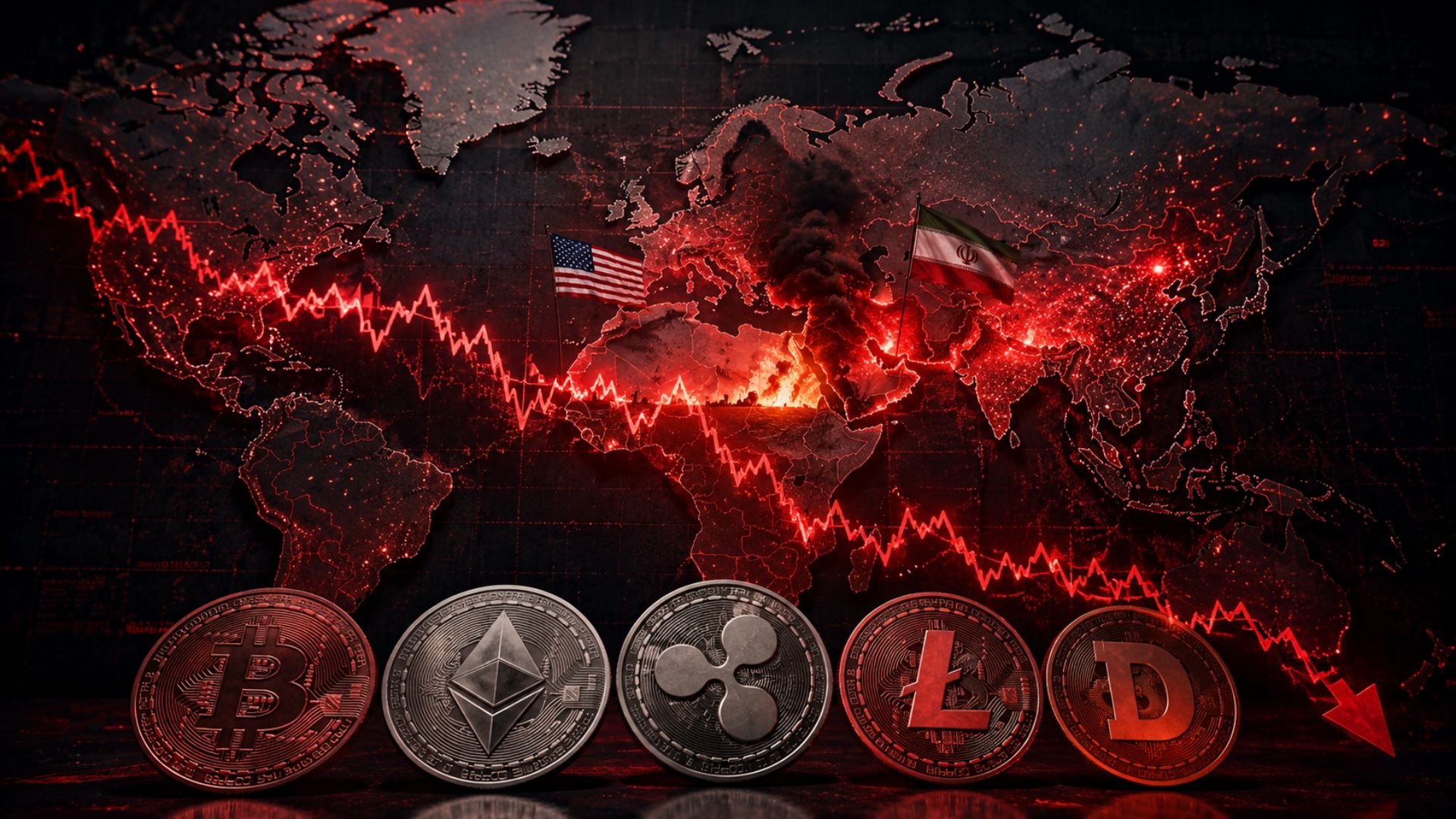
Crypto markets took a clear hit in early June 2026. U.S.-Iran tensions escalated, oil prices spiked, and institutional money moved away from risk assets quickly. Bitcoin dropped, altcoins followed, and spot ETF products that had logged weeks of strong inflows suddenly flipped to outflows. The pattern was fast and broad, touching nearly every corner of the market at once.
How Does Geopolitical Tension Move Crypto Markets?
Crypto does not trade in isolation from global events. When geopolitical stress spikes, institutional investors reduce exposure to volatile assets first, and crypto sits near the top of the volatility spectrum. That means it tends to sell off before many traditional risk assets do, often serving as an early signal of broader market stress.
What Happened With U.S.-Iran Tensions in June 2026?
Renewed friction between the U.S. and Iran pushed oil prices sharply higher in the first days of June. Energy markets moved on the threat to Strait of Hormuz shipping lanes, and risk assets including equities and crypto fell quickly in response. This followed a pattern we also saw in April 2026, when similar oil price spikes pulled Bitcoin lower and rattled broader market confidence.
The geopolitical shock hit markets on multiple fronts:
- Oil futures climbed on supply threat fears tied to the Strait of Hormuz, adding inflation pressure to the macro picture.
- U.S. equity futures turned negative, pulling correlated risk assets including crypto down with them.
- Bitcoin dropped alongside a broader retreat from high-volatility positions across institutional portfolios.
- Altcoins, which carry more risk than Bitcoin, saw steeper percentage declines as traders reduced exposure faster.
The speed of the sell-off reflected how interconnected global macro and crypto markets have become. Institutional participation through ETFs made that connection even more direct than it was in previous market cycles.
Why Does Crypto React to Middle East Tensions?
In a crisis, traders reduce risk first and ask questions later. Crypto’s 24/7 market structure means it absorbs selling pressure immediately, while traditional markets close overnight. When tension escalates after hours, crypto often takes the first hit before stock markets even open for the next session.
Higher oil prices also chain into broader crypto weakness through a macro mechanism worth understanding. Higher oil means higher inflation expectations, which leads to tighter monetary policy expectations, which reduces appetite for speculative assets like crypto. That entire chain reaction moves fast once the initial catalyst hits.
What Does the ETF Outflow Data Show?
The ETF picture flipped sharply in early June 2026. After several weeks of strong inflows across Bitcoin and Ethereum spot products, net flows turned negative almost immediately when tensions escalated and the macro tone shifted against risk assets.
Bitcoin ETF Outflows in Early June
Bitcoin spot ETFs recorded net outflows across multiple consecutive trading days starting in early June. This came after a strong run of inflows through May, making the reversal particularly notable. Large institutional holders trimmed positions as part of broader portfolio risk reduction rather than any change in their long-term view on Bitcoin specifically.
This is a normal pattern that repeats across market cycles. ETF flows tend to follow macro sentiment closely, and when the risk environment turns negative, fund managers reduce their most volatile positions first. Bitcoin ETFs still carry significant price volatility despite their growing legitimacy as an asset class.
Ethereum and Altcoin ETF Pressure
Ethereum ETF products also saw reduced inflow momentum and some net outflows during the same period. Altcoin-linked products felt more pressure given their higher volatility profiles across the board. Even XRP ETFs, which had just posted record inflows days earlier, showed signs of cooling as the macro backdrop shifted and risk appetite contracted.
Investors watching these flow patterns benefit from tracking them regularly alongside XRP ETF news and broader market updates. Flow reversals at this scale do not always signal a long-term trend change, but they do show clearly how quickly institutional sentiment can shift when macro conditions move against risk assets.
What Typically Happens After a Geopolitical Shock?
History shows crypto markets tend to recover once the initial shock fades, with the critical variable being how long the geopolitical tension persists and whether it escalates further. Brief flare-ups usually see a recovery within one to three weeks, while prolonged conflicts create sustained risk-off conditions that keep prices under pressure much longer.
A few indicators traders watch after geopolitical shocks include:
- Stablecoin dominance: A rise signals money sitting on the sidelines rather than exiting crypto entirely.
- Bitcoin dominance: BTC usually recovers faster than altcoins after risk-off events, making it a useful early signal.
- ETF flow data: A return to net inflows signals institutional confidence coming back and risk appetite normalizing.
- Derivatives open interest: Rising open interest after a sell-off can signal fresh buying interest from traders repositioning for a recovery.
Stablecoin dominance rose noticeably in early June 2026, confirming that a significant amount of capital moved to the sidelines during the sell-off. That capital does not permanently leave the crypto market. It tends to rotate back into risk assets once clarity returns and the macro picture stabilizes.
For investors thinking about long-term positioning through volatile periods, risk management in trading remains one of the most practical frameworks to develop and apply consistently. Platforms like Binance and Bybit offer stop-loss orders and position sizing features that help manage exposure during high-volatility events without requiring constant manual monitoring.
Frequently Asked Questions
Why did crypto prices fall in early June 2026?
U.S.-Iran tensions triggered a risk-off response across global markets. Oil prices spiked on fears about Strait of Hormuz disruptions, and institutional investors reduced exposure to volatile assets including crypto. Bitcoin and most altcoins fell as a direct result of that broad sell-off in risk assets.
What are ETF outflows and why do they matter for crypto prices?
ETF outflows happen when investors pull more money out of an ETF product than flows in during the same period. For crypto, this matters because spot ETFs represent a direct channel for institutional demand.
When outflows exceed inflows, it signals that large investors are reducing their crypto positions, which adds consistent selling pressure to spot prices over time.
Does geopolitical tension always cause crypto to drop?
Not always, but it frequently does in the short term. Crypto sits in the high-risk asset category for most institutional portfolios, so when geopolitical stress spikes, risk-off behavior pushes capital toward safer assets like U.S. Treasuries and gold.
Crypto often sells off first and recovers once the specific tension eases and the macro picture becomes clearer.
What should crypto investors do during geopolitical market declines?
Focus on position sizing and stop-loss levels rather than reacting emotionally to short-term moves. Avoid panic selling at the bottom of a spike-driven move that may resolve quickly. Watching ETF flow data and stablecoin dominance as early signals of when institutional buyers return gives a more reliable framework than following price action alone.
Check our crypto market overview and risk management guide for practical frameworks to apply during volatile periods.