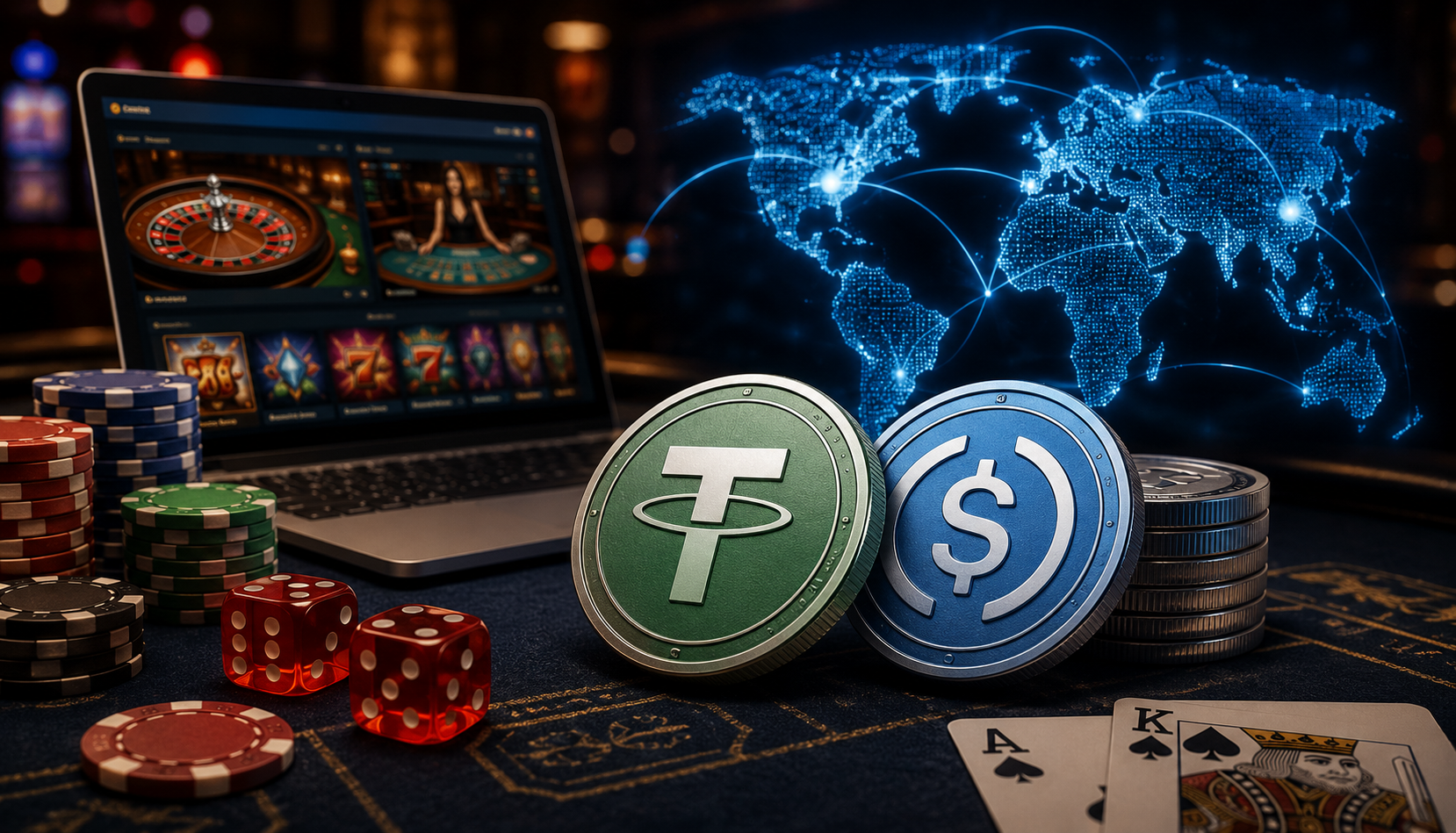
Online gambling has been slowly adopting cryptos since around 2011, with digital coins first getting accepted at dice and poker sites at the start of the 2010s, before getting wider embracement at the end of that decade. Without question, this pairing has been a transformative one, with cryptocurrencies offering perks that online gamblers could not get out of other payment methods before these forms of virtual money debuted.
As noted, at the beginning of this coupling, using cryptos for gambling entertainment was primarily limited to playing simple games, ones with provably fair mechanisms, such as crash, mines, limbo, and dice. The appeal of anonymity and speed that Bitcoin and other early-era coins offered was something that more and more people got curious about, and this led to Curacao’s Antillephone becoming the first online gambling regulator to permit its licensees to accept digital coins, opening the door for gambling with them on modern games like famous slots and live dealer ones.
However, as the casual crowd poured into crypto usage, many quickly found out just how volatile some of these assets can be, and that their value can get swiftly shed, without warning, something that especially held true for newer and more niche options. Hence, stablecoins, ones engineered to hold a peg against fiat currencies, grew in popularity. Review platform Casino Groups has highlighted their importance for enjoying games of chance remotely, and pointed out their chief advantages. We bring you this site’s noted stablecoin benefits below, and why you should consider them in your next gaming sessions.
How Are Stablecoins Different
For those not deep into the cryptoverse, we already touched upon what stablecoins are above, but we will explain them a bit more thoroughly here. Unlike standard coins, which can display sizeable price swings, something that can get triggered by things like speculative demand, stablecoins are what they advertise: stable. For the most part, at least. This is so because their value gets tied to an established fiat currency. For example, probably the world’s most popular stablecoin, Tether, is linked with the US dollar, and one token equals one dollar. Per available data, around 90% of the stablecoin’s market cap is concentrated in either Tether, USDT, or Circle’s USDC.
The way stablecoins, or stable tokens, maintain their stability is through several mechanisms. The main one is a fiat-backed reserves model, meaning issuers hold US dollar reserves in custodial accounts. Though, some stablecoins, such as Dai, use overcollateralized crypto reserves.
For gambling, these stablecoins have a practical appeal; players do not get to experience dramatic price swings, and they do not get blinded by substantial price movements, up or down, seemingly out of nowhere. Casino Groups explains in many of its reviews that stablecoins offer the transactional properties of cryptocurrency. They provide borderless transfers with most of the safety measures that Bitcoin and other renowned assets offer, but without the price risk. So, they preserve most of the core benefits that draw gamblers to cryptocurrencies, while eliminating one of the biggest drawbacks of these payment methods.
Lower Transaction Costs
The second big advantage of gambling with stablecoins is lower fees. Online gamblers who have been active in Internet gaming since the late 1990s, or the early 2000s, know that online gambling payments were expensive when this domain debuted. At the beginning, credit card processors and bank transfers were the only choices for account funding and payouts, and these avenues would incur up to a 4% fee per transaction. Moreover, for players in jurisdictions where online gambling was not regulated, these kinds of transactions could even get blocked by financial institutions.
At the beginning of the 2000s, electronic wallets came into the mix, with options like Skrill and Neteller getting specially created for gambling. While these solutions had their advantages, especially in terms of speed, they layered their fees. Now, it is true that stablecoin transactions have their own, but these are a fraction of the amounts fiat payment methods charge in most cases. On some efficient networks, transfers can cost a few cents, making them a more economical pick for those who want to maximize their playing bankroll.
Eliminating Chargeback Fraud
This is a benefit for operators, many of whom, for years, have struggled with chargeback fraud. That is something tied chiefly to card transactions, which can be disputed and then reversed by the card’s issuing bank. Consequently, a dishonest player can deposit, play, and then file a chargeback claim, citing that these transactions made with his online casino were unauthorized. This potentially allows him to walk away with winnings, while making the site absorb an extra loss.
With stablecoins, this is not really possible. You see, blockchain transfers, by design, are irreversible. This is why it is vital that everyone gets the address to which they are sending funds right. Once a payment gets confirmed on a digital ledger, it cannot get reversed, leading to lower payment processing overhead for operators and reduced fraud losses.
Global Accessibility
We touched upon this above. Online gambling legislation varies by country, and many have not yet passed laws that allow these pastimes. Hence, using fiat payment methods from such places at internationally licensed platforms is traditionally not a good idea, because central banks monitor merchant codes associated with any transaction made by residents, and when they see gambling ones, they can block those payments from going through. This is very common for bank wire and card transfers. There is also the concern of currency conversion fees, as some international sites accept only deposits in USD or euros.
Stablecoins sidestep the geo-restriction payment blocks, as anyone can acquire them via popular exchanges or peer-to-peer marketplaces. Moreover, they have no organizational or central oversight, operating on a decentralized protocol that features no intermediaries whatsoever. This means that there is no one to block transactions. They technically offer global accessibility, with all transactions existing on public ledgers, making them transparent. That said, there are no longer reduced KYC thresholds for stablecoin withdrawals, as most regulated online casinos demand that even crypto gamblers identify themselves on account of strict international anti-money laundering regulations.