Key Takeaways
- Sanctions from traditional financial organisations such as SWIFT and regulators have led many governments and countries to evade them through crypto adoption.
- The blockchain’s innovation in bridging the gap between payments and cross-border transactions has been exploited by state-sponsored illicit activities from Iran, North Korea, and others.
- Russia, Iran, and North Korea, over the years, explored sophisticated use of the blockchain and crypto assets to evade sanctions from the likes of SWIFT.
Crypto has evolved from a mere tool for the financial market used for transactions or a bridge for cross-border payments. It has been adopted by many governments worldwide for its national interests and relevance as an economic tool, such as influencing trade and evading sanctions through payment facilities like SWIFT.
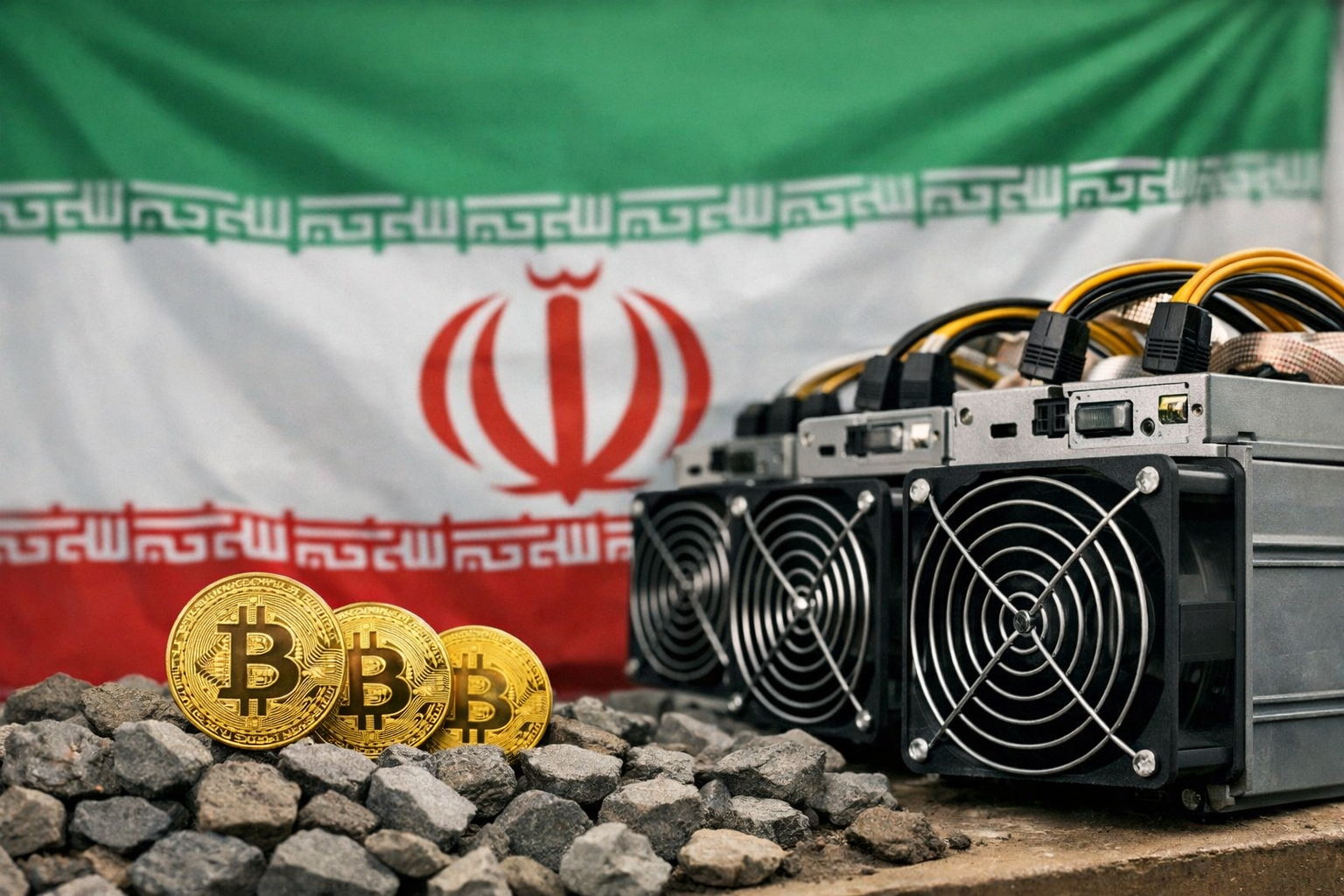
SWIFT has imposed sanctions on countries such as Russia, North Korea, and Iran, restricting users and citizens of these countries from accessing its platform and services. Governments from these countries have turned to crypto assets and stablecoins to fund illicit activities, making crypto not just a transparent tool in the financial space but also a geopolitical tool.
This article discusses the use of crypto assets by these countries under SWIFT sanctions following certain activities.
Crypto Asset, a New Geopolitical Tool
For decades, many businesses and governments have used SWIFT for payments and international transactions due to its cross-border functionality; however, many companies and individuals have sought alternatives following sanctions imposed by traditional banks.
The likes of Russia, North Korea, and Iran have been sanctioned by SWIFT, leading them to explore crypto, as these digital assets serve the same functionality as SWIFT payments, enabling easier payments.
The use of cryptocurrency assets has opened more opportunities for these individuals and allowed them to exploit its transparency. Here are some activities carried out by the government under SWIFT sanctions using crypto assets.
1. Anonymous Transactions
According to the US Treasury, Russian companies have increased their involvement in the blockchain space, using stablecoins for international settlements to avoid banking restrictions. In 2024, the volume rose as trading on P2P platforms increased by over 230%.
2. Crypto Mixers and Laundering
Tornado Cash, Sinbad, Blender.io, Wasabi Wallet. The use of these tools and services continues to operate despite sanctions. In 2024 and 2025, the blockchain recorded hacks and transactions resulting in billions of dollars, with Sinbad helping withdraw over $500 million from Russia while Washington was busy regulating American DeFi platforms.
3. Exchanges Without Rules
Russian traders explored using crypto exchanges without regulation, enabling them to participate in new, anonymous OTC markets. These activities peaked in 2024, and Russia became the third-largest market for P2P cryptocurrency trading worldwide.
4. Crypto Hacker Attacks and Exploitations
Crypto hacks and exploitations continue to rise, with many businesses and governments sponsoring these acts, as figures for blockchain hacks reach new highs.
North Korea (DPRK) as a nation are more involved in the use of crypto assets more than many countries using this technology for illicit activities as the cyber unit of North Korea have been involved in major hacks in the blockchain space over the year as these funds are moved across mixers, Sinbad, and Tornado cash, bridged across many DeFi protocols, OTC and other just to conceal the activities of the wallets.
Final Thoughts
While many agencies have rallied to stop or sabotage these activities, they continue to explore new ways to evade sanctions imposed by traditional banks.
The likes of Russia and Iran have all used these tools for their own political advantage over the years, highlighting that governments will look for new ways to evade sanctions using crypto assets.
FAQs
How are nation-states using cryptocurrency today?
Nation-states use crypto in different ways: some to evade sanctions through traditional channels such as SWIFT or to fund illicit programs, others to promote financial innovation, inclusion, or modernize compliance.
What role does blockchain intelligence play in national security?
Blockchain intelligence is built on transparency, allowing businesses, users, and governments to trace illicit finance, enforce sanctions, and monitor cross-border flows. It turns public blockchain data into actionable insights for compliance and security teams.
Can crypto help countries bypass international sanctions?
Yes. Countries like Russia, North Korea, and Iran have used cryptocurrency to conduct cross-border trade, fund state-linked activities, and access foreign currency outside SWIFT and other traditional financial systems.
Is crypto traceable by the government?
The blockchain has been designed for transparency, enabling individuals and governments to access all transactions using the wallet addresses of the parties involved, making activities traceable.
How does the government seize crypto?
Crypto assets can only be confiscated if the party involved is involved in fraudulent activities or money laundering. The government can request a centralised exchange to freeze the account if there is sufficient evidence, but if the activities are on a decentralised platform, it becomes more difficult.
Related Read
How Will Bitcoin and Gold React to the US-Iran War?
G7 Debates Release of 400 Million Barrels of Emergency Oil Reserve – Will Crude Oil Price Drop?
How Middle East Wars Influence Bitcoin Price Cycles
Crypto and Sanctions: How Governments Hide Money on Blockchain