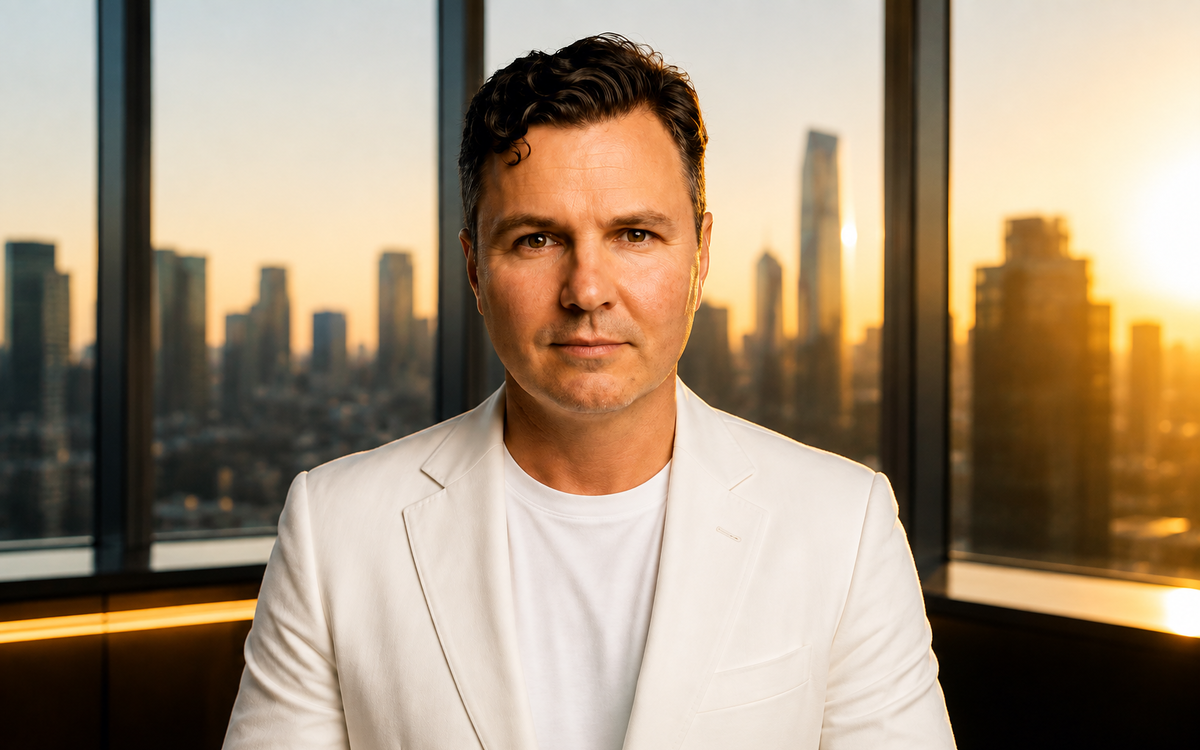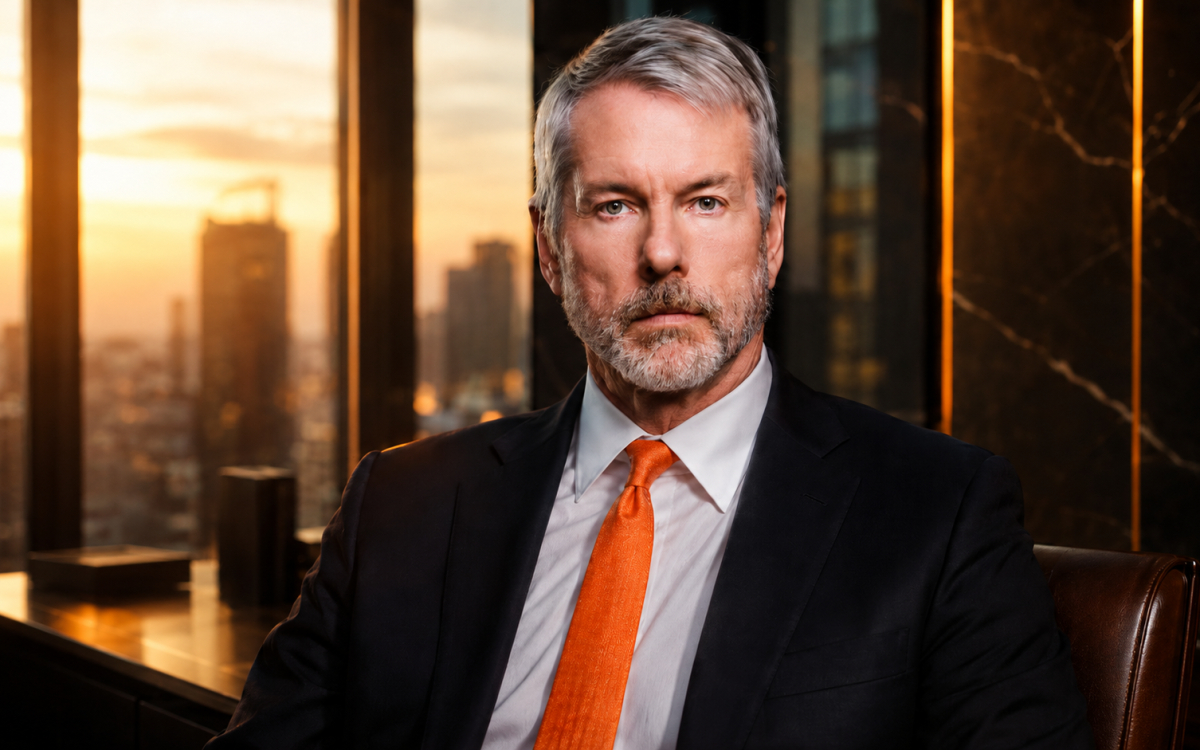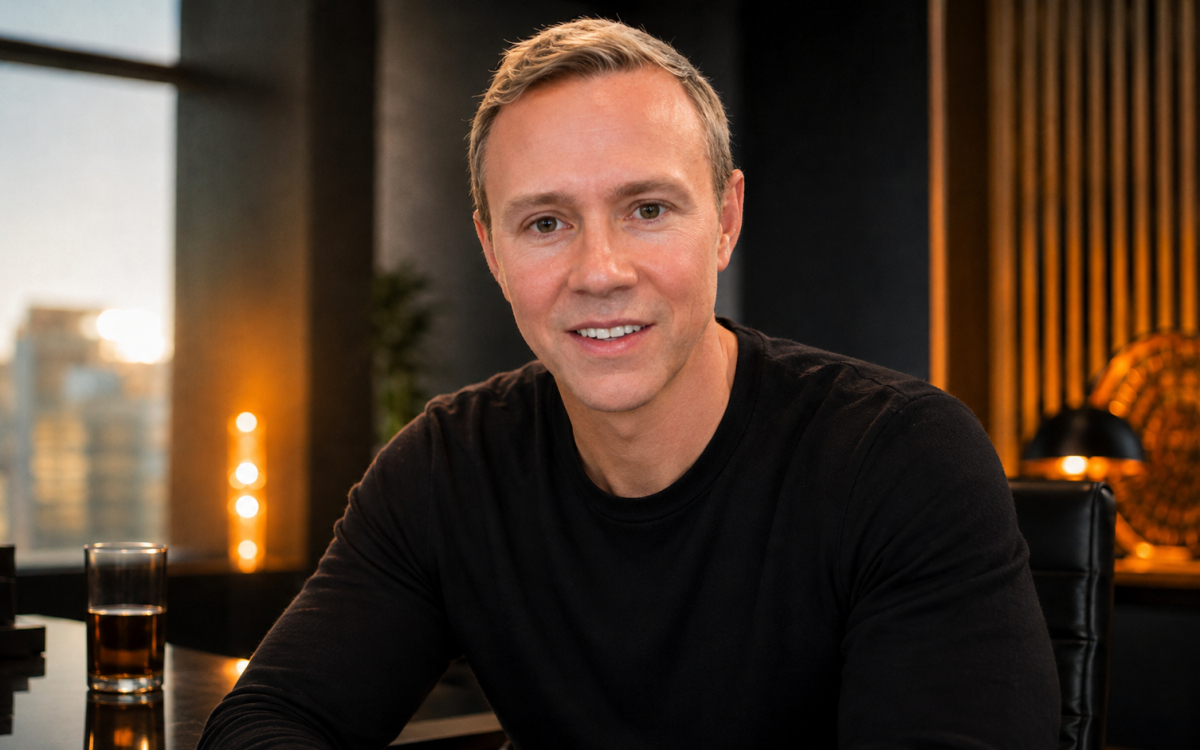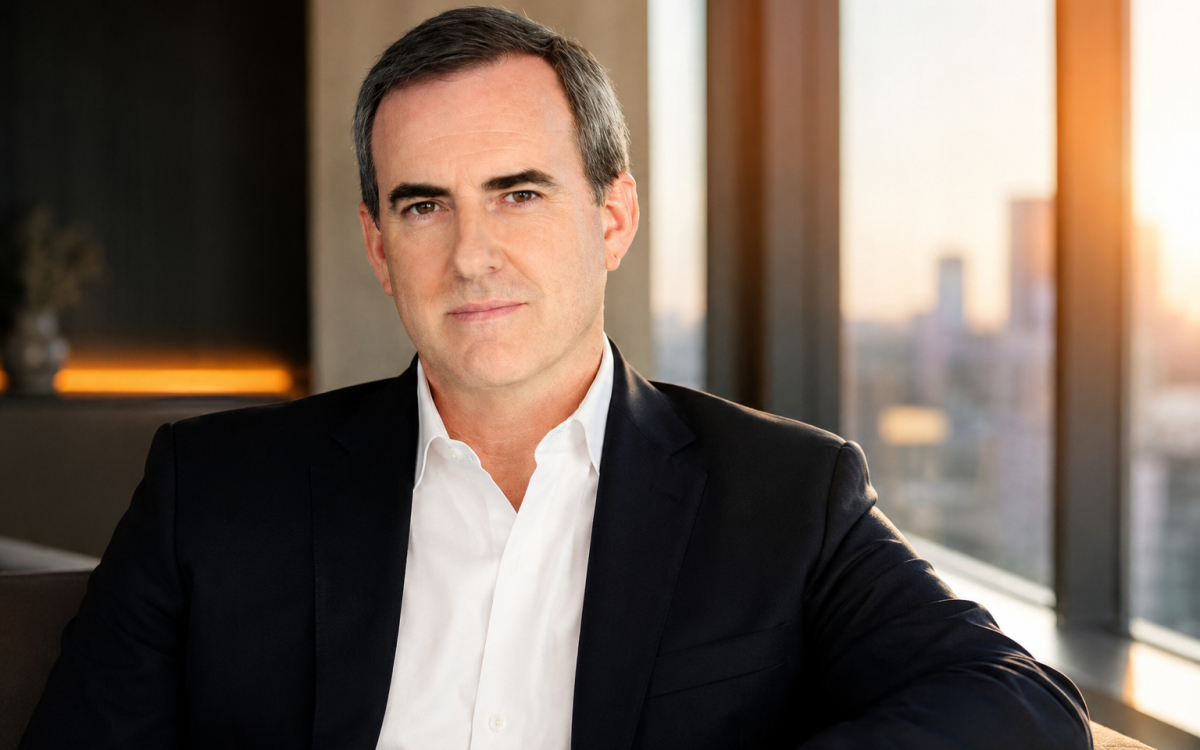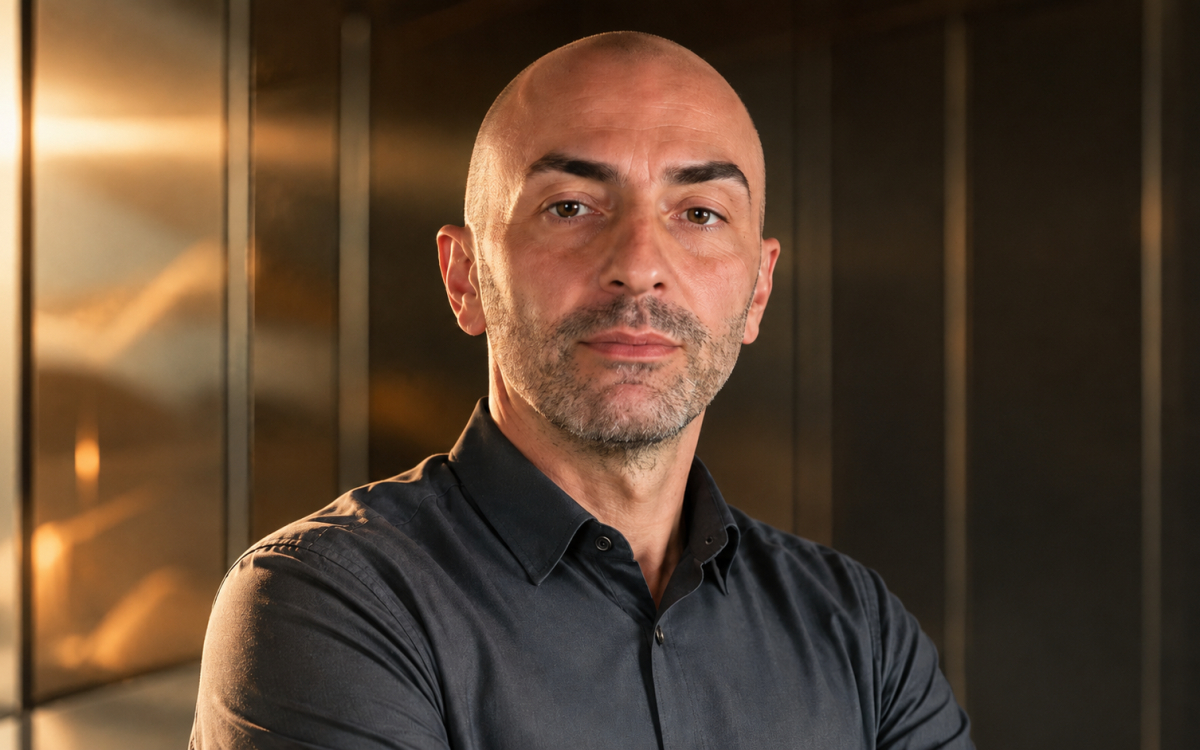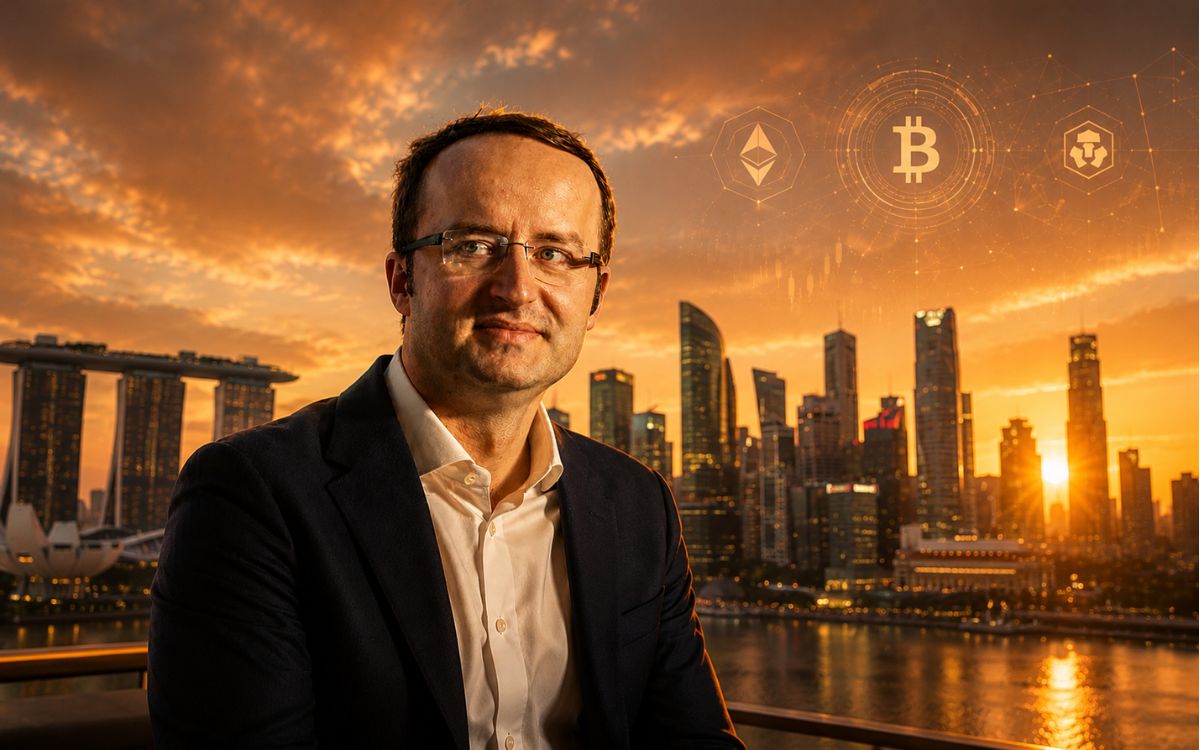
Kris Marszalek is the co-founder and CEO of Crypto.com, the Singapore-based exchange he has run since founding it as Monaco in June 2016. Born in Poland, he built one of crypto’s most visible brands through stadium naming rights and sports sponsorships, and most recently led a 12% workforce reduction in March 2026 tied to artificial intelligence.
Who Is Kris Marszalek?
Kris Marszalek spent his early career in consumer electronics and e-commerce before entering crypto. He founded Starline Polska, a consumer electronics manufacturer, then moved to Hong Kong and co-founded the platform Yiyi in 2009 and the e-commerce site BeeCrazy in 2010, according to his CryptoSlate executive profile, last updated December 17, 2025.
BeeCrazy sold to the iBuy Group in 2013, which later became Ensogo, where Marszalek served as CEO from 2014 until the company abruptly shut down in 2016, leaving merchants and staff with unpaid debts.
In June 2016, Marszalek co-founded Monaco alongside Rafael Melo, Gary Or, and Bobby Bao, building a Visa-branded debit card for spending crypto directly. In July 2018, Monaco rebranded to Crypto.com after Marszalek bought the domain from cryptography researcher Matt Blaze. By 2020, the platform had grown to 5 million users and secured a financial license in Australia.
Kris Marszalek’s Career and Contributions
Marszalek has built Crypto.com into a multi-product exchange offering spot and derivatives trading, staking, an NFT marketplace, and a Visa-partnered debit card. The company is headquartered in Singapore, with offices in the United States and other markets.
He is widely known for a $700 million deal in late 2021 that renamed the Staples Center to Crypto.com Arena, part of a broader push into mainstream culture through partnerships with Formula 1, the UFC, and the FIFA World Cup, according to CryptoSlate. Those deals drew criticism for their cost during downturns, with Marszalek maintaining that visibility was necessary to bring in new users.
Marszalek steered Crypto.com through the 2022 collapse of FTX, which led to a 20% workforce cut that year, and oversaw the company’s push to secure a federal banking charter from the Office of the Comptroller of the Currency, letting the exchange custody assets under that charter rather than relying solely on state-level licensing.
In 2026, he directed Crypto.com to carve its prediction markets business out into its own company to compete with Kalshi and Polymarket in CFTC-regulated event contracts. Marszalek has also pushed into AI infrastructure, purchasing the domain AI.com for $70 million in February 2026, the highest price ever disclosed for a domain, according to the Financial Times.
The site ran a Super Bowl ad that year as part of an AI agent launch. The following month, Crypto.com tied its workforce cuts directly to that AI push, with Marszalek posting on X that the cuts targeted “roles that do not adapt in our new world.”
Kris Marszalek’s Views and Positions
Marszalek views AI adoption as existential for crypto and tech companies broadly. In his March 19, 2026 post on X, cited by CNBC, he wrote that “companies that do not make this pivot immediately will fail.” A Crypto.com spokesperson confirmed to CNBC that affected employees had been notified but declined to disclose the exact headcount.
On monetary policy, Marszalek predicted a strong fourth quarter for digital assets if the Federal Reserve cut rates at its September 17, 2025 meeting, a view he shared with Bloomberg. CME futures markets were pricing a 90% probability of a cut at the time, following Fed Chair Jerome Powell’s remarks at Jackson Hole.
On Crypto.com’s August 26, 2025 partnership with Trump Media and Technology Group, which built a treasury strategy around the Cronos token, Marszalek told Bloomberg that Donald Trump’s personal assets are held in blind trusts and that Crypto.com operates independently of the Trump family’s holdings.
On going public, he confirmed that “top investment banks” had approached the company about a potential IPO and that it “has the numbers” to support a listing, but said no decision had been made. As of that report, Crypto.com remained privately held.
Marszalek has also faced criticism over tokenomics. In August 2020, Crypto.com phased out its MCO token and replaced it with Cronos, now CRO, a mandatory swap that drew backlash from early investors over unfavorable conversion rates, according to CryptoSlate. He has defended later adjustments to card rewards and staking yields as necessary for the platform’s long-term stability, per the same profile.
Kris Marszalek’s Net Worth in 2026
A precise net worth figure for Kris Marszalek has not been independently confirmed, and neither Forbes nor the Bloomberg Billionaires Index currently lists an estimate for him. Because Crypto.com remains privately held, Marszalek’s personal equity stake is not disclosed through public filings the way it would be for an executive at a publicly traded company.
What can be sourced is the financial performance of the company he owns and runs. Crypto.com generated $1.5 billion in revenue and $300 million in net profit for the prior year, after reinvesting $700 million back into the business, according to Marszalek’s Bloomberg interview cited by Cryptonews on September 3, 2025.
Those figures reflect the company’s balance sheet rather than Marszalek’s personal wealth, and the size of his individual ownership stake in Crypto.com is not public.
Kris Marszalek in the News
The most recent confirmed news involving Marszalek is the March 19, 2026 announcement of a 12% workforce reduction at Crypto.com, reported by CNBC. The cuts followed a pattern across tech that quarter, with Block cutting more than 4,000 jobs in February 2026 and Atlassian cutting roughly 1,600 jobs the week before.
Marszalek framed Crypto.com’s cuts as tied to AI capability rather than financial distress, echoing statements from Block CEO Jack Dorsey and Atlassian CEO Mike Cannon-Brookes earlier that year.
Frequently Asked Questions
Here are answers to the questions readers most often ask about Kris Marszalek and his role at Crypto.com.
Who is Kris Marszalek?
Kris Marszalek is the co-founder and CEO of Crypto.com, a role he has held since founding the company as Monaco in June 2016. Born in Poland, he previously ran e-commerce ventures including BeeCrazy and Ensogo before moving into crypto.
What company does Kris Marszalek run?
Marszalek runs Crypto.com, a Singapore-headquartered exchange offering trading, staking, a Visa-backed debit card, and prediction markets. It reported $1.5 billion in revenue for the prior year, per Bloomberg via Cryptonews.
What did Kris Marszalek do before Crypto.com?
He founded Starline Polska, then moved to Hong Kong and co-founded Yiyi and BeeCrazy. He served as CEO of Ensogo, a discount deal retailer, until it abruptly shut down in 2016, an event he has described as a difficult failure that shaped his later approach to risk.
Why did Crypto.com lay off 12% of its staff?
Crypto.com cut 12% of its workforce in March 2026 as part of an enterprise-wide AI integration. Marszalek stated on X, per CNBC, that the cuts targeted “roles that do not adapt in our new world,” rather than citing revenue or market conditions.
Is Crypto.com planning to go public?
As of September 2025, Crypto.com remained privately held. Marszalek told Bloomberg that investment banks had approached the company about a potential IPO but confirmed no decision had been made.
How much is Kris Marszalek worth?
No confirmed net worth figure exists for Marszalek, and neither Forbes nor the Bloomberg Billionaires Index lists one. Crypto.com is privately held, so his equity stake is undisclosed. What is sourced is the company’s $1.5 billion in revenue and $300 million in net profit for the prior year, per Marszalek’s Bloomberg interview cited by Cryptonews, a company figure, not a personal one.
What is Kris Marszalek’s connection to Donald Trump’s media company?
Crypto.com partnered with Trump Media and Technology Group on August 26, 2025, building a treasury strategy around its Cronos token. Marszalek addressed conflict-of-interest concerns by noting that Trump’s personal assets are held in blind trusts, per his Bloomberg interview cited by Cryptonews.