Switzerland has launched a public consultation on stablecoins, proposing a new regulatory framework that could reshape how digital currencies operate in one of the world’s most trusted financial centers. The Swiss government released its proposal on October 22, seeking feedback from industry players and the public on how to build an effective oversight system for blockchain-based payment tokens.
The proposed legislation will establish a new license type to allow companies to issue stablecoins under FINMA (Switzerland’s financial regulator), as well as a new license for a token pegged to a traditional currency and designed to maintain its value. The new rules would require issuers to back their tokens completely with high-quality liquid assets, keep those reserves separate from other company funds, and publish detailed whitepapers that FINMA reviews before launch. In addition to this, token holders will have the option of redeeming their tokens for the face value of the token on a short-term basis, and the issuer will be required to provide FINMA with no less than 60 days written notice of the intended release of any new stablecoin.
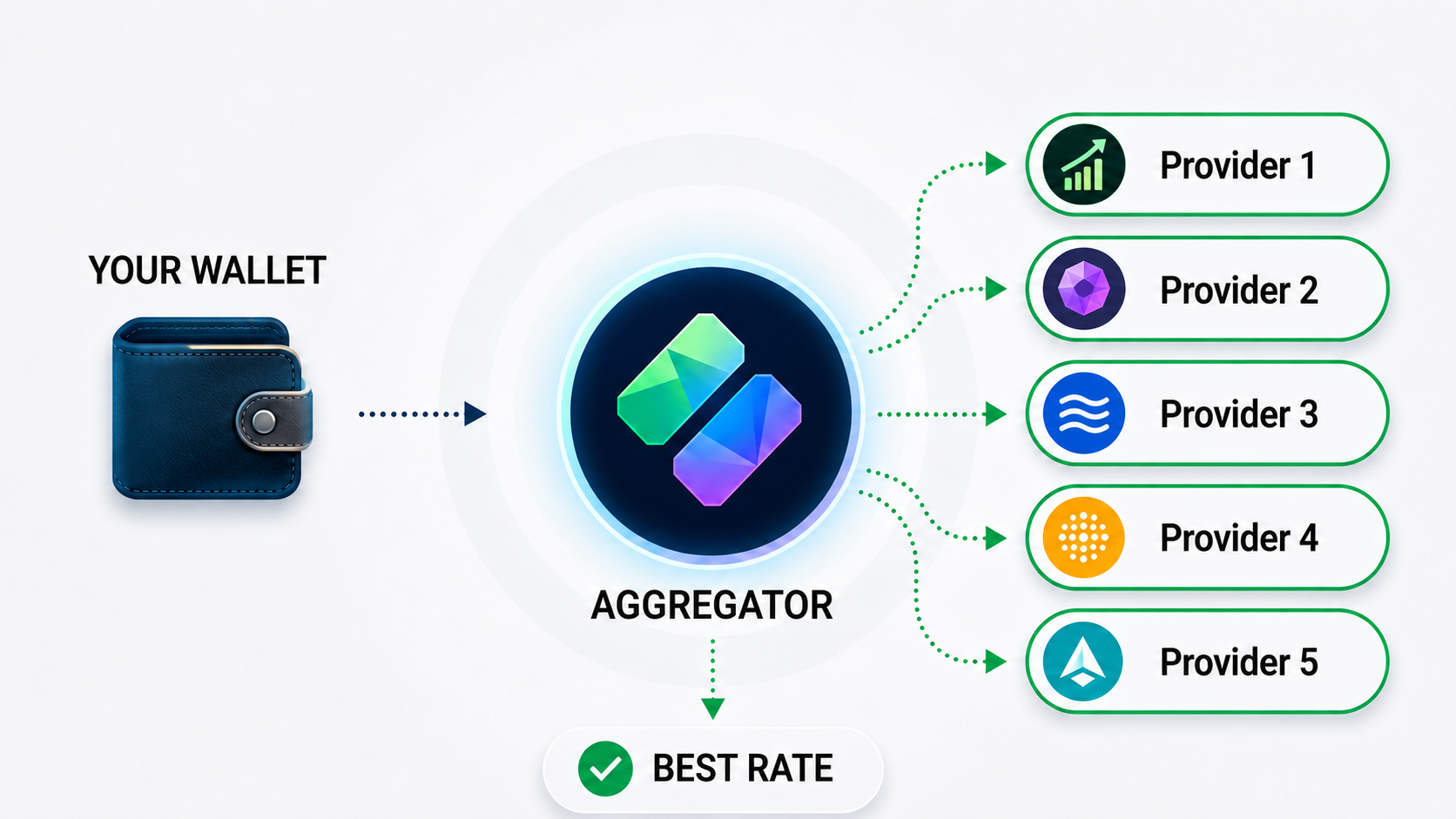
What makes this approach interesting is how it handles digital assets originating outside Switzerland. The framework treats foreign-issued stablecoins traded in the country as crypto assets rather than payment instruments. This means offshore companies don’t need to relocate operations or maintain duplicate reserves in Switzerland unless they’re actually issuing tokens to Swiss customers. So, for everyone managing these different types of tokens, the choice of wallet matters more than ever. Users need storage solutions that can handle various regulatory classifications and work across borders. A web3 wallet designed for this environment typically supports multiple blockchains and token standards, letting users hold both domestically regulated payment tokens and international crypto assets in one place. Better wallets also connect directly to decentralized applications and provide clear transaction history tracking, which is useful when dealing with tokens subject to different rules in different countries.
Compared to the pace of major financial hubs such as Singapore and Dubai, Switzerland may be a bit behind the curve with its approach to regulating stablecoins. Still, some regulatory experts see this as an advantage. By taking time to observe how other jurisdictions have implemented their regulatory approaches, Swiss regulators can learn from early adopters’ mistakes and build a stronger foundation for their regulatory framework. There will also be ample opportunity for public input before the Swiss Government finalizes the new law through a formal legislative process. The current consultation period ends in February 2026.
Industry voices are optimistic about what this could mean for Switzerland’s financial future. Dea Markova from Fireblocks pointed out that the framework could transform how the country builds its tokenized asset and bond markets. The key is having cash that lives on the blockchain, which is exactly what regulated stablecoins provide. This “cash on chain” becomes the foundation for trading and settling all kinds of digital securities.
Hany Rashwan, who founded 21Shares, believes the move could actually strengthen the Swiss franc itself. With the creation of a regulatory framework for franc-backed stablecoins, Switzerland might boost confidence in its currency and bolster its reputation for monetary stability. In a world where digital transactions are becoming standard, having a well-regulated stablecoin ecosystem could make the franc more attractive to international users.

Switzerland’s economy is already influenced by stablecoins, which are used for all of the above purposes, including retail and online shopping, paying local taxes, and facilitating international transactions. Swiss banks such as Sygnum, SEBA, and Amina have integrated stablecoins into their services for settlement and institutional trading. However, these functions were governed by standard banking and anti-money laundering legislation rather than by specific regulations or guidelines for digital payment tokens. In the last year, FINMA published an instruction manual for managing stablecoin risk. This new regulation would allow a licensed regulatory authority to provide formal oversight.