Key Takeaways
- Crypto transactions generally cannot be reversed, so checking addresses, permissions, and transaction details before signing is essential.
- Crypto users can reduce security risks by verifying links, protecting recovery phrases, using strong authentication, and regularly reviewing wallet activity.
- Reputable services will never ask for your recovery phrase or private keys, even when claiming to offer support or recovery assistance.
Cryptocurrency gives users complete control over their assets, but that control comes with responsibility. Unlike traditional banking systems, most blockchain transactions cannot be reversed. If you send funds to the wrong address or lose them through a compromised wallet, recovery is often impossible.
Many people assume crypto security requires advanced technical knowledge. In reality, most successful attacks exploit simple mistakes rather than sophisticated software vulnerabilities. Clicking a fake link, reusing a password, or approving a malicious transaction can be enough to lose access to valuable assets.
Scammers stole an estimated $17 billion from crypto users in 2025, with the average scam payment growing 253 percent year over year, according to Chainalysis’s 2026 Crypto Crime Report, published in January 2026.
The same report found impersonation scams grew more than 1,400 percent year over year, making them the fastest-growing tactic in the space. Here are seven security habits every crypto user should practice daily.
1. Verify Every Link, Website, and Wallet Request
Phishing and spoofing were the most reported crime type in the FBI’s 2025 Internet Crime Report, with 191,600 complaints. Scammers often create fake websites, social media accounts, emails, and messages that imitate legitimate exchanges, wallets, and decentralized applications.
Before connecting a wallet or entering login details, check the website URL carefully. Scammers often use domains that differ from legitimate platforms by only one letter or character. Avoid links from unsolicited messages, and bookmark trusted crypto platforms instead of searching for them.
Review wallet approval and transaction details before signing. Blindly approving requests can give malicious smart contracts permission to access assets. Taking a few extra seconds to verify a website and transaction can help prevent major losses.
2. Review Wallet and Account Activity Daily
Many users only check their wallets when they want to trade, transfer funds, or interact with a protocol. Regularly reviewing account activity, however, helps you detect unusual behavior early.
Check for transactions you do not recognize, new wallet approvals, login attempts from unfamiliar devices, unexpected withdrawals or transfers, and any changes to security settings you did not make.
Most major exchanges and wallet apps let users turn on push notifications for logins and withdrawals. Enabling these alerts adds a layer of protection that catches problems within minutes, not days. The sooner you discover unauthorized activity, the more likely you are to limit the damage.
3. Use Strong Passwords and Multi-Factor Authentication
Password security remains one of the most overlooked aspects of crypto protection.
A strong password should be:
- Unique to each platform.
- At least 12 characters long, mixing letters, numbers, and symbols.
- Stored securely in a password manager.
- Never reused across multiple accounts.
Reusing passwords creates unnecessary risk. If one service suffers a data breach, attackers often test stolen credentials across exchanges and crypto-related platforms.
Multi-factor authentication (MFA) closes most of that gap. Accounts with MFA enabled are more than 99.9 percent less likely to be compromised than accounts without it, according to Microsoft’s January 2025 Partner Center security guidance. Even if an attacker steals login credentials, MFA can stop them before they reach the account.
4. Separate Funds Across Multiple Wallets
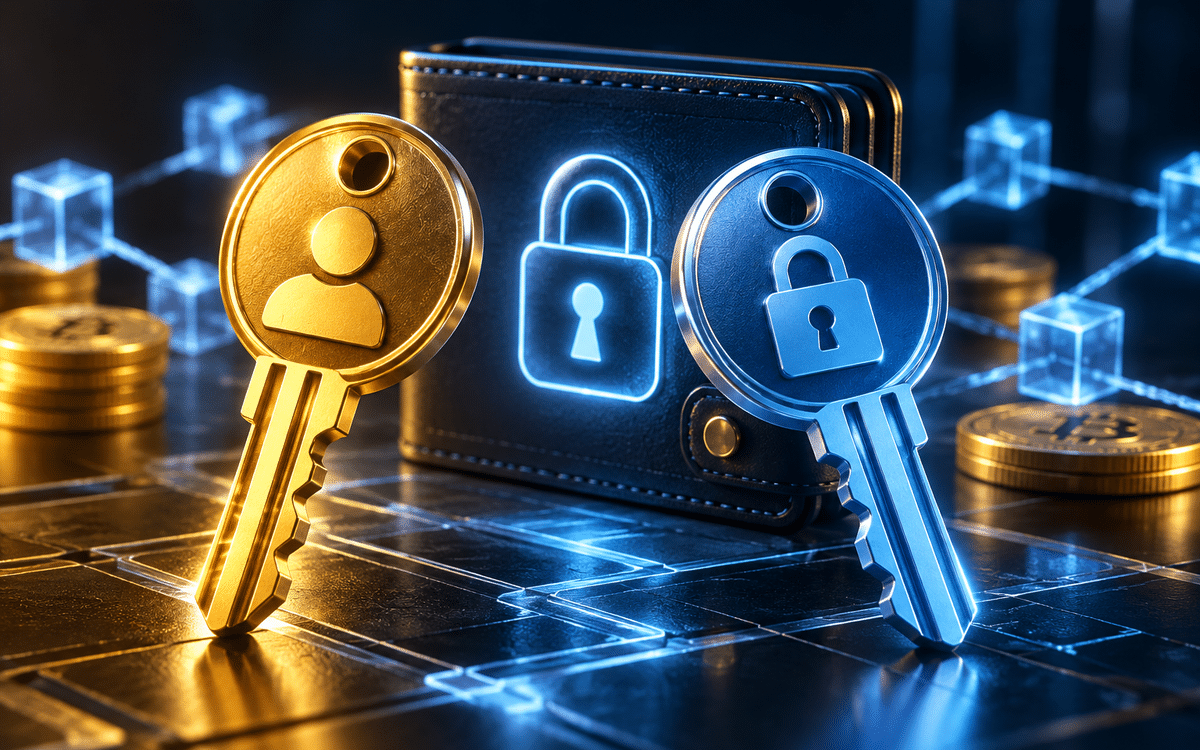
Keeping all your digital assets in a single wallet creates a single point of failure. Dividing funds across multiple wallets helps limit risk and ensures that a security issue affecting one wallet does not expose your entire portfolio.
| Wallet Type | What Goes In It | Why It’s Separated |
| Long-Term Storage | Assets held for months or years | Rarely used, so it has minimal exposure to phishing and malicious apps |
| Active Trading | Funds needed for regular trades | A capped balance limits losses if this wallet is compromised |
| DeFi and Experimental | NFTs, token launches, new protocols | Isolates higher-risk activity from long-term holdings |
Table 1. A simple wallet separation strategy for crypto users.
Wallet segmentation creates an additional layer of protection by reducing the impact of a single security breach. It is a simple habit that can meaningfully improve overall crypto security.
5. Stay Skeptical of Unexpected Messages and Offers
Scammers often use urgency, authority, and attractive financial offers to persuade users to act before thinking.
A message claiming that your wallet is at risk, your account needs verification, or you have won a crypto reward may be designed to make you panic.
Watch for Common Warning Signs
Be especially careful when a message:
- Requests your recovery phrase or private key
- Promises guaranteed returns
- Tells you to send crypto to receive more crypto
- Creates an urgent deadline
- Claims to be customer support through a personal account
- Offers to recover funds for an upfront payment
- Asks you to connect your wallet to an unfamiliar website
Legitimate support teams will not need your recovery phrase to fix an account problem. Ethereum.org also warns that people claiming they can recover lost cryptocurrency for a fee are often running another scam.
6. Review Wallet and Account Activity Regularly
Regularly check your crypto accounts for unfamiliar transactions, login attempts, withdrawals, or changes to security settings. Enable notifications for logins, withdrawals, and other security events when available.
For connected wallets, review active applications and contract approvals. Revoke permissions you no longer need, especially for apps you no longer use. If your wallet may be compromised, move remaining assets to a new secure wallet and revoke suspicious approvals promptly.
7. Secure Your Devices and Backup Your Wallet
Keep your computer and phone updated with the latest security patches. Remove unused apps and browser extensions, and only install wallet software or extensions from official or trusted sources. Browser extensions can pose risks because some can access website data.
For long-term holdings, consider a hardware wallet to keep private keys offline and reduce exposure to online malware. However, hardware wallets do not prevent scams or malicious transaction approvals. Protect your seed phrase and keep secure backups in multiple physical locations to reduce the risk of theft or loss.
Final Thoughts
Good crypto security comes from combining several simple habits rather than relying on one tool. These practices suit beginners and long-term holders, but users managing larger portfolios or interacting heavily with DeFi may need stronger safeguards. The main risk is human error, especially exposing a recovery phrase or approving a malicious transaction. If you want to learn more about identifying fraudulent crypto platforms and offers, read our guide on how to detect fraud schemes on crypto platforms.
Frequently Asked Questions
Crypto security can seem complicated at first, but most beginners can improve their protection by following a few basic rules.
What Is the Most Important Crypto Security Habit?
Protecting your recovery phrase and verifying every transaction or wallet request are among the most important habits. Anyone with your recovery phrase can potentially control your wallet, while a malicious transaction approval can give a smart contract access to assets.
Should I Keep All My Crypto in One Wallet?
It is generally safer to separate long-term holdings from active trading and experimental DeFi activity. This reduces the amount exposed if one wallet, application, or approval is compromised.
Is a Hardware Wallet Completely Safe?
No. Hardware wallets can protect private keys from many online threats, but users can still lose funds through phishing, malicious transactions, fake wallet software, or exposed recovery phrases.
Is SMS Two-Factor Authentication Safe for Crypto?
SMS authentication is better than having no second factor, but authenticator apps and security keys provide stronger protection against threats such as SIM swapping. Use the strongest authentication option your platform supports.
What Should I Do If Someone Asks for My Seed Phrase?
Do not provide it. Legitimate exchanges, wallets, and support teams do not need your recovery phrase. Anyone who obtains it may be able to control your assets.
Can a Crypto Transaction Be Reversed?
Most blockchain transactions cannot simply be reversed after they are confirmed. That is why checking the recipient address, network, and transaction details before signing matters.
How Often Should I Check My Crypto Security?
Review your account activity regularly and check wallet permissions periodically, especially if you use DeFi applications often. Also review your security setup whenever you install a new wallet, change devices, or begin using a new crypto service.