Key Takeaways
- Crypto margin trading lets you borrow funds to trade larger positions than your own balance, increasing both potential profits and losses.
- Leverage multiplies your exposure to the market, so even small price changes can have a bigger impact on your gains or losses.
- Compared to spot trading, margin trading carries higher risk since losses can grow beyond your initial investment due to leverage.
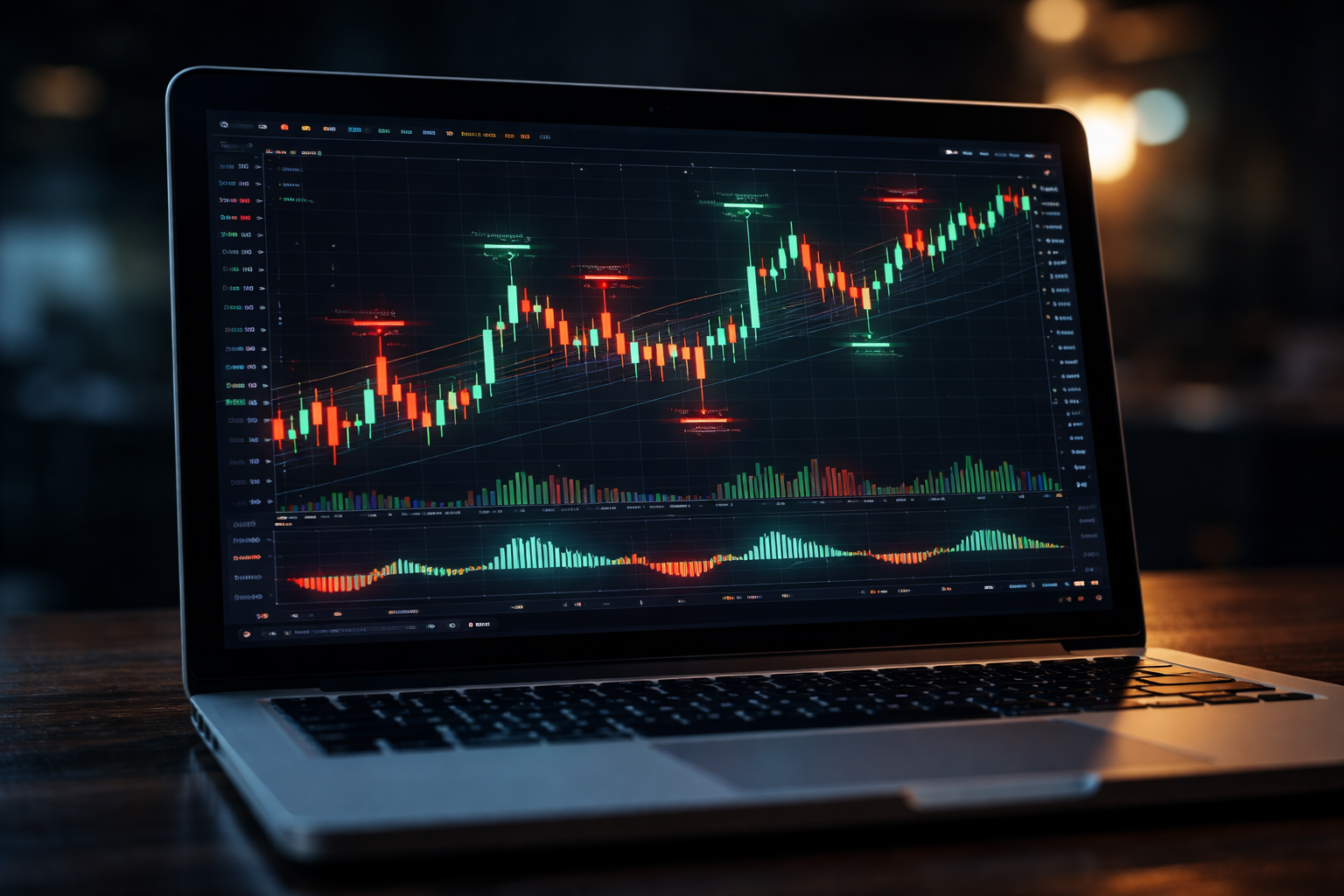
Crypto margin trading is a trading method that allows you to use borrowed funds to open larger positions than your actual account balance would normally permit. By applying leverage through an exchange or trading platform, traders can increase their involvement in market movements, which can make both potential gains and losses more noticeable.
While this approach can create more opportunities in volatile markets, it also introduces higher risk, as unfavorable price changes can quickly impact your position. Understanding how leverage works and managing risk carefully are essential before getting started. In this article, you will learn how crypto margin trading works, along with the key concepts you need to approach it with greater confidence.
How Crypto Margin Trading Works
In crypto margin trading, a trader starts by depositing an initial amount of capital, known as margin, into their trading account. This margin serves as collateral, allowing the platform to lend additional funds. The combined total of the trader’s own capital and the borrowed amount is then used to open a larger trading position than would be possible with the initial deposit alone. Leverage determines how much the position is amplified relative to the trader’s margin.
To keep the position open, the account must maintain a minimum level of equity called the maintenance margin. This requirement helps ensure that the borrowed funds remain sufficiently covered by collateral. If the market moves against the trader and the account balance drops below this level, the platform may issue a margin call asking for additional funds, or it may automatically close part or all of the position (liquidation) to limit further losses and protect the lender’s capital.
Key Concepts in Margin Trading
Margin trading is based on key elements that determine how positions are opened, maintained, and closed. Understanding these helps traders manage risk and make more informed decisions when using leverage.
A. Leverage
This refers to the ratio of borrowed funds to the trader’s own capital. It allows traders to control larger positions with less capital. While higher leverage can amplify potential returns, it also increases the size and speed of potential losses.
B. Initial Margin
This is the minimum amount of capital a trader must deposit to open a leveraged position. It serves as the initial collateral supporting the borrowed funds used in the trade.
C. Maintenance Margin
This is the minimum equity level required to keep an open position active. The platform continuously monitors the account to ensure the balance stays above this threshold, helping protect against excessive losses.
D. Liquidation
If the market moves against the trader and the account equity falls below the maintenance margin, the platform may automatically close the position. This process, known as liquidation, is designed to limit further losses and protect the borrowed funds.
E. Interest or Fees
Borrowed capital is not free to use. Traders typically pay interest or funding fees for holding leveraged positions, which can accumulate over time and affect overall profitability depending on how long the position remains open.
Long and Short Positions
Long Position
A long position is taken when a trader expects the price of an asset to increase. In margin trading, this usually involves buying the asset using both personal funds and borrowed capital, with the goal of selling it later at a higher price. The profit comes from the difference between the lower entry price and the higher exit price, though losses can occur if the market moves in the opposite direction.
Short Position
A short position is taken when a trader expects the price of an asset to decrease. In this case, the trader borrows the asset and sells it at the current market price, intending to buy it back later at a lower price to return it. The difference between the higher selling price and the lower repurchase price represents the potential profit, but if the price rises instead, the trader may incur losses.
Benefits of Margin Trading
- Greater Market Exposure With Less Capital: Margin trading allows traders to control larger positions using leverage, making it possible to participate in bigger trades without needing a large initial investment.
- Capital Efficiency: Traders can use a portion of their funds to open leveraged positions while keeping the rest available for other opportunities or strategies.
- Flexibility In Market Conditions: Margin trading supports both long and short positions, allowing traders to potentially profit from rising and falling markets.
- Access To More Trading Opportunities: With the ability to amplify position size and trade in different directions, traders can respond more actively to short-term price movements and market volatility.
Risks of Margin Trading
- Larger Losses: Leverage increases both gains and losses, so even small price changes can have a big impact on your trade.
- Losses Can Exceed Your Deposit: If the market moves strongly against your position, you may lose more than the amount you initially invested.
- Liquidation Risk: If your account balance drops too low, the platform may automatically close your position to prevent further losses.
- Interest and Fees: Borrowed funds usually come with interest or fees that can build up over time and reduce your profits.
- Sensitive To Price Changes: Crypto prices can move quickly, so leveraged positions require close monitoring to avoid unexpected losses.
Margin Trading vs Spot Trading
Spot trading involves buying and selling crypto assets using only the funds you have in your account. Once you purchase an asset, you own it outright, and your potential profit or loss depends solely on the change in its market price. There is no borrowing involved, and your risk is limited to the amount you invest.
Margin trading, on the other hand, allows you to borrow funds from a platform to increase the size of your position through leverage. This means you can gain greater market exposure compared to your initial capital. However, because both profits and losses are magnified, margin trading carries higher risk, and unfavorable price movements can lead to liquidation or losses that exceed your original investment.
Final Thoughts
Crypto margin trading allows traders to use leverage to open larger positions with limited capital, offering opportunities in both rising and falling markets. Understanding key concepts such as leverage, margin requirements, and liquidation is essential for managing positions effectively. However, leverage also increases risk, as price movements can lead to larger gains or losses. Careful planning, monitoring, and risk management are necessary to avoid major losses. Compared to spot trading, margin trading offers more flexibility but requires greater responsibility.
You Might Also Like: