Key Takeaways
- Solana price USD reflects its growing role as a high-speed, low-cost blockchain.
- SOL price often reacts sharply to network outages, protocol upgrades, and ecosystem news.
- The FTX collapse in 2022 crushed SOL’s price, but it staged a strong recovery by 2024.
- Staking SOL earns passive yield, which factors into total return calculations.
- Tracking SOL in USD matters for trading decisions, tax reporting, and DeFi positions.
Solana has had one of the most dramatic price stories in crypto. From near-zero in 2020 to over $250 in 2021, then a brutal collapse following the FTX implosion, followed by a strong recovery back above $200 in 2024. The SOL price in USD reflects far more than just speculation. It tracks the health of an entire ecosystem, from DeFi to NFTs to consumer-facing apps.
What Moves the Solana Price in USD?
SOL price responds to a unique mix of on-chain activity, ecosystem events, and broader market trends. Several factors consistently influence where the price goes.
Ecosystem Activity and Network Usage
Solana processes thousands of transactions per second at fractions of a cent in fees. High throughput attracts developers. More developer activity brings more users. More users drive demand for SOL, which is required to pay fees and participate in the network.
Periods of heavy NFT activity, meme coin trading, or DeFi growth on Solana directly push up demand for SOL. You can see this pattern repeat during each cycle of ecosystem growth. Check how Solana compares to other networks to understand where it sits competitively.
Network Outages and Their Price Impact
Solana has experienced multiple network outages since launch. Each outage triggered a price drop as confidence wavered. The network addressed many of these issues through upgrades, and reliability improved significantly post-2023. However, reputation damage from past outages still influences how some investors view SOL’s long-term reliability.
The FTX Effect and Recovery
FTX held a massive SOL position. When FTX collapsed in November 2022, it dumped SOL on the market under forced liquidation. SOL dropped from around $37 to under $10 in weeks. The recovery from that low took over a year but proved significant. By early 2024, SOL traded above $200 again, driven by genuine ecosystem growth rather than exchange-linked inflation.
This cycle showed that SOL’s recovery depended on real adoption, not just hype.
How Do Traders and Investors Track SOL in USD?
Reliable price tracking is the foundation of any good trading or investment decision. These are the most used platforms:
- CoinGecko: Real-time SOL/USD price with market cap, volume, and historical charts.
- CoinMarketCap: Detailed exchange-by-exchange volume breakdown for SOL pairs.
- TradingView: Technical analysis charts with indicators for SOL/USD and SOL/BTC pairs.
- Birdeye: Solana-native analytics tool tracking on-chain SOL price data and DEX trading activity.
Active traders often use on-chain tools like Birdeye because they show real-time data from Solana’s decentralized exchanges, which sometimes lead centralized exchange prices.
What Role Does Staking Play in SOL’s Total Return?
Staking adds a layer to how investors calculate SOL returns. The Solana network currently offers staking yields between 6 and 8 percent annually, depending on validator performance and network inflation rates.
Staking rewards come in SOL. That means the USD value of those rewards fluctuates with price. Here is how this plays out practically:
- In bull markets: Price appreciation plus staking yield compounds returns significantly.
- In bear markets: Staking rewards accumulate more SOL, lowering your average cost over time.
- Tax impact: In the US, staking rewards count as ordinary income at the time you receive them. Their USD value at receipt determines taxable income.
Many investors use platforms like Phantom Wallet or Marinade Finance to stake SOL directly without technical complexity.
How Does the SOL Price Relate to DeFi Positions?
Solana’s DeFi ecosystem uses SOL as primary collateral across lending platforms. If you borrow against SOL, a price drop reduces your collateral value. Protocols like Kamino Finance set liquidation thresholds based on USD price. Traders who hold leveraged DeFi positions on Solana monitor the SOL/USD price closely at all times.
The connection between price and DeFi risk is not theoretical. During the May 2022 market crash, many Solana DeFi positions hit liquidation thresholds in hours. Setting conservative loan-to-value ratios protects against that kind of sudden move.
Frequently Asked Questions
What is Solana’s current price in USD?
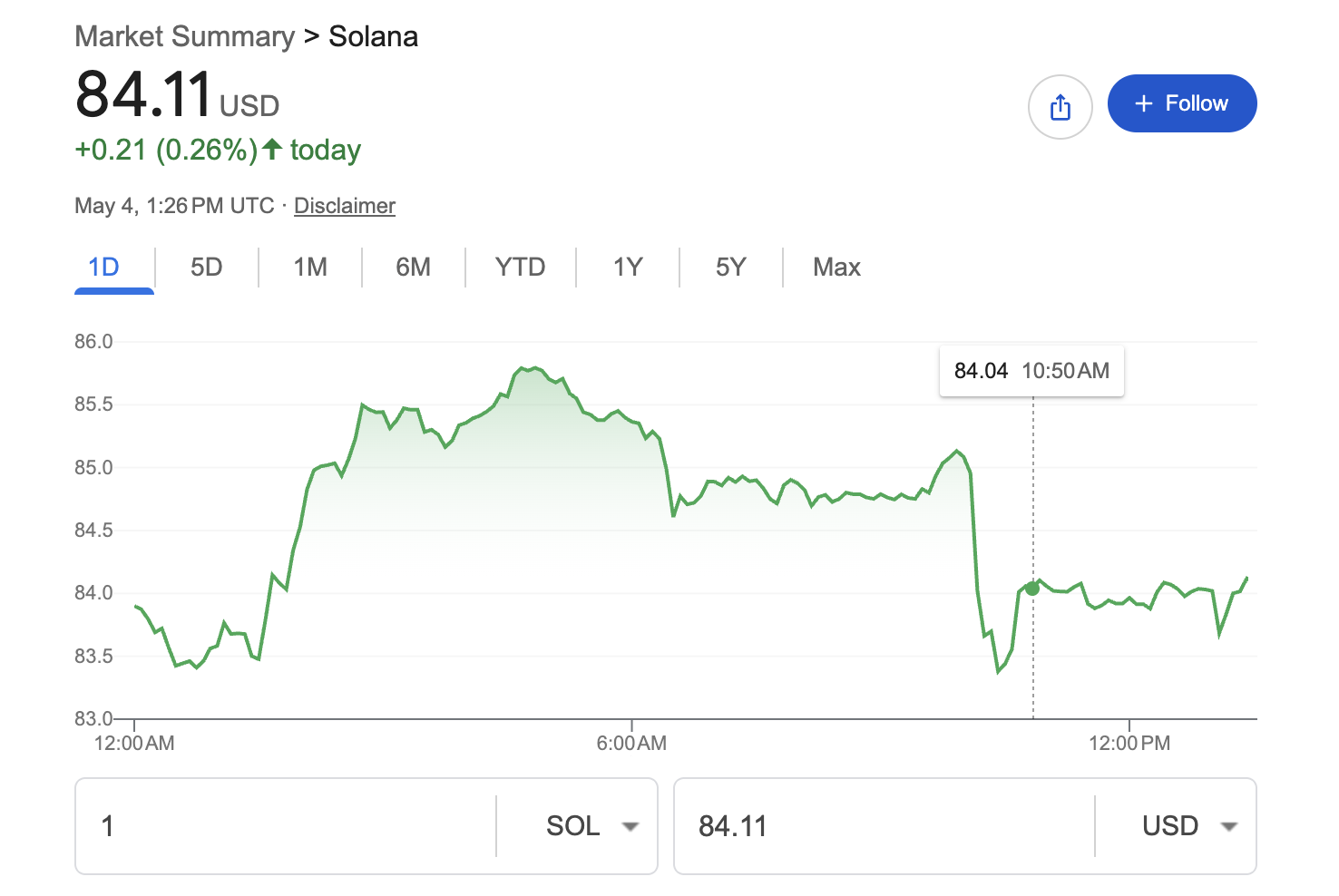
SOL prices change continuously. Visit CoinGecko or CoinMarketCap for live pricing.
Why did Solana’s price crash so hard in 2022?
Two major factors caused the crash. The general crypto bear market pushed prices down industry-wide. Then FTX’s collapse flooded the market with forced SOL sales, accelerating the drop.
Is Solana faster than Ethereum?
Yes, significantly. Solana processes around 65,000 transactions per second theoretically, with average fees under a cent. Ethereum processes far fewer transactions but has a larger developer base and longer track record.
How do I buy SOL in the US?
Major regulated exchanges like Coinbase and Kraken list SOL for purchase with USD. You can also explore top-rated crypto platforms for comparison.