
Key Takeaways
- Ethereum price USD fluctuates constantly based on supply, demand, and market sentiment.
- Ethereum’s price drivers differ significantly from Bitcoin’s, including network activity and staking yields.
- The 2022 Merge reduced ETH issuance and changed how supply dynamics work.
- ETH price often moves ahead of or alongside major protocol upgrades.
- Tracking price in USD matters for trading, taxes, and valuing DeFi positions.
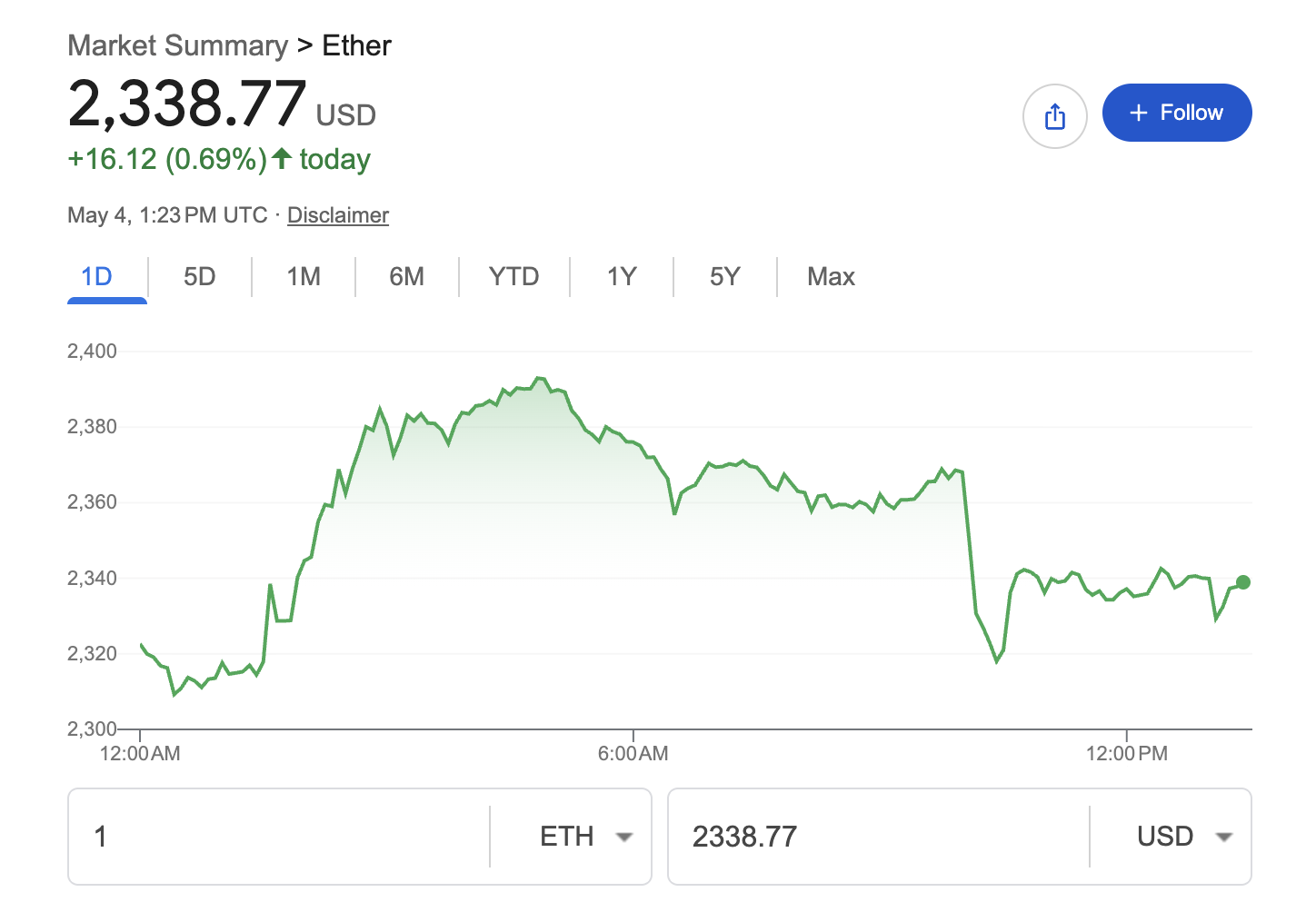
Ethereum’s price in USD is one of the most-watched numbers in crypto. It tells investors how the second-largest cryptocurrency by market cap is performing against the dollar. But the price alone does not tell the full story. Several factors push ETH’s value up or down, and knowing them helps investors make sharper decisions.
What Drives the Ethereum Price in USD?
ETH price moves for different reasons than Bitcoin. While BTC often reacts to macroeconomic signals and institutional demand, ETH has its own internal drivers. Network usage, developer activity, and protocol changes all influence price in ways that BTC simply does not experience.
Network Activity and Gas Fees
When demand for transactions on Ethereum rises, gas fees increase. More activity means more ETH gets burned through the EIP-1559 fee mechanism. Higher burn rates reduce supply, which can push prices up when demand stays constant. During periods of heavy DeFi or NFT activity, this deflationary pressure becomes visible in price.
You can track Ethereum gas fees and on-chain activity to see how network usage connects to price movement.
The Role of the Merge and Staking
In September 2022, Ethereum completed its transition from proof-of-work to proof-of-stake. This event, called the Merge, slashed ETH issuance by roughly 90 percent. Validators now earn staking rewards instead of miners earning block rewards. That shift made ETH net deflationary during periods of high network activity.
Staking also locks up supply. Over 30 million ETH is currently staked. That ETH sits off the market, which reduces circulating supply and can support price over time.
Market Sentiment and Bitcoin Correlation
ETH often moves with Bitcoin but does not always follow perfectly. During bull markets, ETH tends to outperform BTC in percentage terms. During corrections, it sometimes drops harder. Investors call this the “ETH beta” effect. When market sentiment turns bullish, ETH typically amplifies Bitcoin’s moves.
How Do Investors Track ETH Price in USD?
Several reliable tools track Ethereum’s current USD price in real time. Here are the most commonly used:
- CoinGecko: Offers price, volume, market cap, and historical data. Free and widely trusted.
- CoinMarketCap: Similar data with additional exchange breakdown by volume.
- TradingView: Advanced charting tools for technical analysis of ETH/USD pairs.
- Exchange apps: Platforms like Coinbase and Kraken show real-time prices with buy and sell functionality built in.
Most serious traders use at least two sources. Price data can vary slightly between exchanges due to liquidity differences.
Why Does ETH Price in USD Matter Beyond Trading?
The USD price of ETH affects more than just traders. It has practical implications across several areas.
DeFi Portfolio Valuations
Most DeFi platforms price assets in USD. If you hold ETH as collateral in a lending protocol, its USD value determines your liquidation risk. A sharp price drop can trigger automatic liquidation of your position if the value falls below a required threshold.
Tax Calculations
In the US, the IRS taxes crypto as property. Every time you sell, trade, or spend ETH, you calculate gains or losses based on the USD price at acquisition versus the USD price at disposal. Tracking the USD price at every transaction is not optional. Tools like Koinly pull this data automatically from exchange records.
Project Funding and Token Valuations
Ethereum-based projects often hold ETH in their treasuries. When ETH price falls, their operational runway shrinks. Many early-stage DeFi and NFT projects felt serious pressure during the 2022 bear market precisely because their ETH reserves dropped sharply in USD value.
Learning how Ethereum fits into the broader crypto market helps investors see beyond just the price number.
Frequently Asked Questions
What is the current Ethereum price in USD?
ETH prices change constantly. Check real-time data on CoinGecko or CoinMarketCap for the latest figures.
Why does Ethereum price drop even when Bitcoin is stable?
ETH has its own demand cycle. If network activity slows, DeFi volumes drop, or staking dynamics shift, ETH can underperform Bitcoin. Sector-specific news also affects ETH independently.
Does Ethereum have a maximum supply?
No. Unlike Bitcoin’s 21 million cap, ETH has no hard maximum. However, EIP-1559 introduced a burn mechanism that makes ETH deflationary during high-activity periods.
Is Ethereum a good long-term investment?
Ethereum has a strong developer community, growing institutional adoption, and a clear upgrade roadmap. These factors support long-term utility, but price outcomes depend on execution and market conditions. Always research thoroughly before investing.