Key Takeaways:
- Is Solana a Good Investment? Solana processes up to 65,000 transactions per second, making it one of the fastest blockchains out there.
- SOL has a history of network outages, which raises real questions about reliability for long-term holders.
- Solana’s active DeFi and NFT ecosystem adds real utility to SOL, but strong competition keeps pressure on its price.
Solana has earned a solid spot in crypto conversations over the past few years. SOL trades at high volume, pulls in developers, and runs a busy ecosystem. Still, many people wonder if it actually holds up as a long-term investment. The honest answer depends on your goals, your timeline, and how much risk you can stomach. Here’s a full breakdown to help you sort through it.
What Makes Solana Different From Other Chains?
Solana was built with speed as a priority from day one. Most blockchains handle hundreds to a few thousand transactions per second. Solana pushes that to 65,000 using a system called Proof of History. This lets validators agree on transaction order without constant back-and-forth. The result is a faster, cheaper network.
Average fees on Solana sit around $0.00025 per transaction. That’s a fraction of what users pay on Ethereum during busy periods. This gap has pulled developers toward Solana, especially for apps that need high transaction volume.
What Does Solana Actually Power?
Solana isn’t just a trading token. It supports real activity across several sectors. Here’s where it shows up most:
- DeFi protocols like Raydium and Orca run natively on Solana and move billions in trading volume.
- NFT marketplaces like Magic Eden grew on Solana because of its low minting costs.
- Web3 gaming projects use Solana to handle in-game transactions at scale without high fees.
- Payment and mobile apps are increasingly built on Solana’s infrastructure for fast, low-cost transfers.
This activity creates real demand for SOL beyond pure speculation.
What Are the Real Risks With Solana?
Solana has clear strengths, but it also has a track record worth reviewing. These risks deserve honest attention before you commit any money.
Network Outages Are a Known Issue
Solana has gone through several major network outages since launch. In 2022 alone, the network stopped multiple times for hours at a stretch. These weren’t minor glitches. They halted all transactions and rattled investor confidence. The team has shipped fixes and outages have become less frequent, but the history is still there. A chain that goes dark is a problem for any app that depends on it.
Centralization Concerns
Running a validator node on Solana requires expensive hardware. That limits who can participate and keeps the validator set smaller than Ethereum’s. A concentrated validator set means fewer independent parties securing the network. For investors who care about censorship resistance and decentralization, this is worth factoring in.
Heavy Competition
Ethereum is still the dominant smart contract platform. Layer-2 solutions like Arbitrum and Base have cut Ethereum’s fees significantly, narrowing Solana’s cost advantage. Other chains like Avalanche, Sui, and Aptos are also competing for developers. Solana needs to keep growing its ecosystem to hold its ground.
How Has SOL Performed as an Asset?
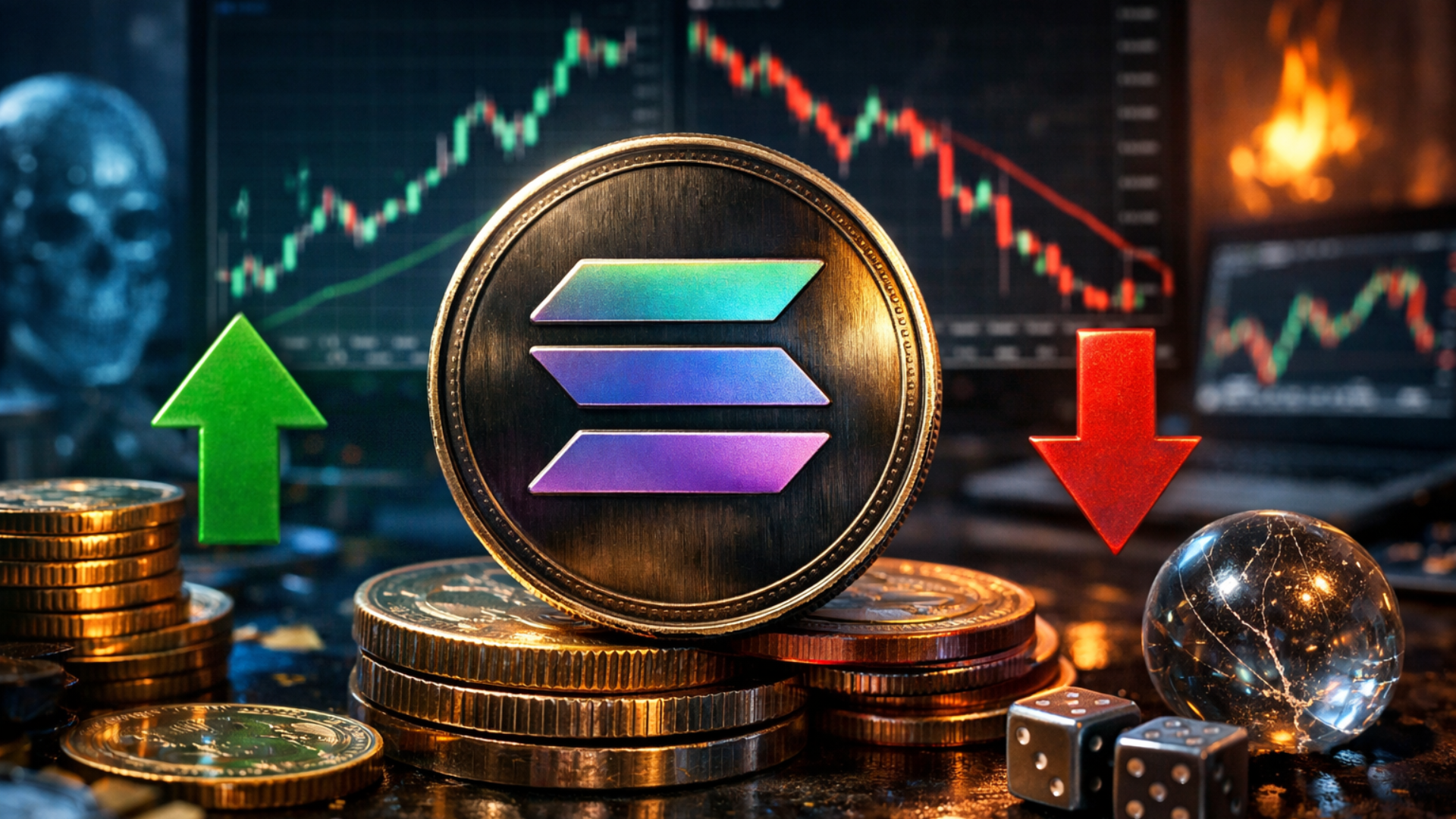
SOL launched in 2020 for under $1. It peaked at around $260 in November 2021. Then it dropped below $10 during the 2022 bear market, partly because of its ties to the FTX collapse. FTX and related funds held large amounts of SOL, and mass selling followed the exchange’s failure.
SOL recovered strongly in 2023 and pushed past $200 again in 2024. That kind of range, from under $10 to over $200, tells you everything about the volatility involved.
You can buy SOL on Coinbase, Kraken, Binance, KuCoin, and Bybit. For tax reporting on your SOL holdings, CoinLedger and Koinly both support Solana. If you plan to hold long-term, storing SOL on a hardware wallet like Ledger or Trezor keeps it off exchange and more secure. For more on wallet options, check out this guide on top Solana-based wallets.
You can also review how to choose the best crypto wallet before deciding where to store your SOL.
Frequently Asked Questions
Is Solana better than Ethereum for investors?
Neither is objectively the better pick. Ethereum has stronger decentralization and a longer track record. Solana offers faster transactions and lower fees. Some investors hold both. The right fit depends on your goals and how you weigh those trade-offs.
Does Solana have a supply cap?
Solana has no fixed supply cap like Bitcoin. New SOL enters circulation through staking rewards. However, a portion of each transaction fee gets burned, which creates some deflationary pressure over time.
Can Solana recover from its past outages?
It already has. The team has shipped multiple upgrades that improved stability, and outages have decreased in frequency. Whether they disappear entirely is still unclear, but the trend has moved in a better direction.
Where is the safest place to buy Solana?
Regulated exchanges with strong security histories are your best options. Coinbase, Gemini, and Kraken are popular choices for US-based buyers. After purchasing, moving SOL to a private wallet is the safer long-term approach.