Key Takeaways:
- Bitcoin is trading near $71,000 after pulling back from its $126,198 all-time high in October 2025, with technical signals pointing toward a gradual recovery.
- Monthly forecasts suggest BTC could climb toward $80,000 to $102,000 by late 2026, depending on market conditions and key breakout levels.
- Spot ETF inflows, post-halving supply reduction, and institutional accumulation are the strongest structural drivers supporting a price recovery.
Many investors are asking when will Bitcoin go back up after BTC dropped from its $126,198 all-time high to around $71,000 in March 2026. Based on current technical data, on-chain signals, and broader macro conditions, the recovery setup looks more promising than the current price alone suggests.
What Are the Price Charts Saying Right Now?
Right now, Bitcoin is consolidating above several short-term moving averages, with the 20, 50, and 100-day EMAs clustered tightly together. That kind of grouping typically signals that a decisive price move is coming soon, either up or down. The $67,500 to $66,800 zone is acting as strong support, and a daily close above $69,000 would open the path toward $72,000 and beyond.
The MACD histogram is also shrinking, which tells us that bearish momentum is fading. On lower timeframes, higher lows are forming, showing that buyers are gradually stepping back in. A confirmed break above $69,000 with solid volume would be the first clear signal that a recovery is underway.
Key Support and Resistance Levels to Watch
Knowing where BTC could stall or bounce helps set realistic expectations. Here are the levels traders are currently watching:
- Support zones: $67,500 / $66,800 / $66,000
- Resistance zones: $69,000 / $70,000 / $72,500
- 50-day EMA: $68,441
- 200-day EMA: $68,341
Holding above $67,500 gives bulls a solid base to work from. A breakdown below $66,000 would increase selling pressure and push the recovery timeline further out.
When Could Bitcoin Go Back Up: Monthly Forecasts for 2026
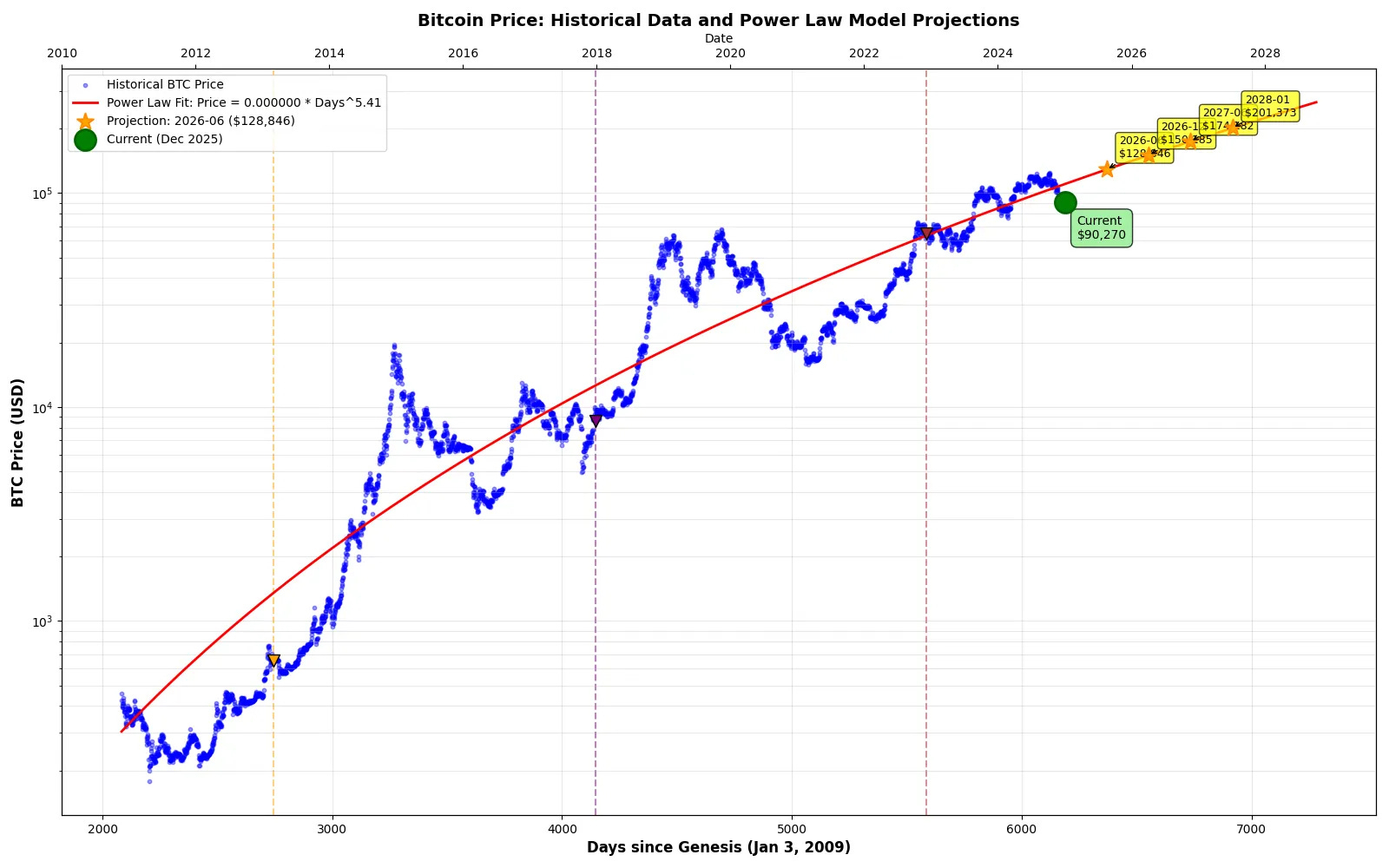
Price prediction models and analyst forecasts offer a useful picture of where BTC could be heading through the rest of this year. These are projections based on current data, not guarantees, but they reflect what the market is signaling right now. Here is the monthly breakdown:
- March 2026: BTC trades in the $71,000 to $79,000 range, with potential to close near $72,000 if short-term sentiment improves.
- April 2026: Price could move toward $75,000 to $80,500 if BTC clears the $74,000 resistance level cleanly.
- May 2026: A mild pullback is possible, with a trading range of $67,500 to $75,900.
- June 2026: Recovery toward $71,000 to $78,000 as buying activity picks back up.
- July 2026: Stronger momentum could push BTC toward the $73,000 to $81,500 range.
- August 2026: Continued upward movement toward $75,000 to $87,000 becomes likely.
- September to October 2026: A breakout above $88,000 to $95,000 is realistic with sustained demand.
- November to December 2026: BTC could approach $99,000 to $102,000 if macro conditions remain supportive.
The Bitcoin community has been tracking these levels closely, and broader sentiment is slowly turning cautiously optimistic as the year progresses.
What Factors Will Push Bitcoin Higher?
Several specific forces are working in Bitcoin’s favor this cycle, and they go beyond general market optimism. These are structural demand drivers that simply did not exist in earlier cycles, and they give this recovery more substance than previous ones.
Spot ETF Inflows Are Still Active
Since the SEC approved spot Bitcoin ETFs in January 2024, institutional money has flowed into BTC at a steady pace. ETF inflow data has become one of the most-watched real-time signals in the market, and even during price dips, cumulative inflows have held strong. This creates a consistent floor of demand that older market cycles never had the benefit of.
Post-Halving Supply Squeeze
The April 2024 halving cut miner rewards to 3.125 BTC per block, and historically, the full price impact of a supply reduction plays out 12 to 18 months after the event. That window places us directly in 2026, which is why analysts are paying close attention. Fewer new coins entering the market while demand holds steady creates natural upward price pressure over time.
Corporate and Sovereign Accumulation
Strategy alone holds over 762,000 BTC as of March 2026, and other companies along with some governments continue adding BTC to their balance sheets. Every purchase removes coins from the liquid supply, tightening an already constrained float. With only around 1.32 million BTC still left to mine, this ongoing competition for a shrinking supply carries real long-term weight.
You can track live prices or buy BTC on Coinbase, Binance, and Kraken. For secure long-term storage during a recovery, a Ledger or Trezor hardware wallet is worth considering. For a broader view of who is currently accumulating, check out our guide on the top individuals, companies, and countries holding the most Bitcoin.
Frequently Asked Questions
How long does Bitcoin typically take to recover after a major drop?
Recovery timelines vary depending on the cycle. After the 2022 crash, Bitcoin took roughly 14 months to fully recover its losses. Based on current 2026 technical data and structural demand, analysts expect a more gradual but steady climb toward previous highs over the next 6 to 12 months.
What price level would confirm that Bitcoin is back in recovery mode?
A sustained daily close above $72,500 would signal a short-term recovery is in progress. A clean break and hold above $80,000 would confirm stronger bullish momentum and shift overall market sentiment in a more positive direction.
Does the Bitcoin halving always lead to a price increase?
No halving guarantees a price increase, but every one of the four halvings since 2012 has preceded a significant bull cycle within 12 to 18 months. The 2024 halving follows that same historical pattern, which makes 2026 a year worth watching closely for a sustained move higher.
Can Bitcoin realistically reach $100,000 again in 2026?
Several forecast models place BTC between $99,000 and $102,000 by November or December 2026. That projection assumes continued institutional accumulation, steady ETF inflows, and relatively stable macro conditions holding through the rest of the year.