Key Takeaways
- Washington’s Attorney General claims Kalshi’s prediction markets function identically to illegal online sportsbooks.
- Kalshi argues the CFTC holds exclusive authority, while states assert their right to enforce local gambling bans.
- This suit follows similar aggressive legal actions or bans in Nevada and Arizona earlier this month.
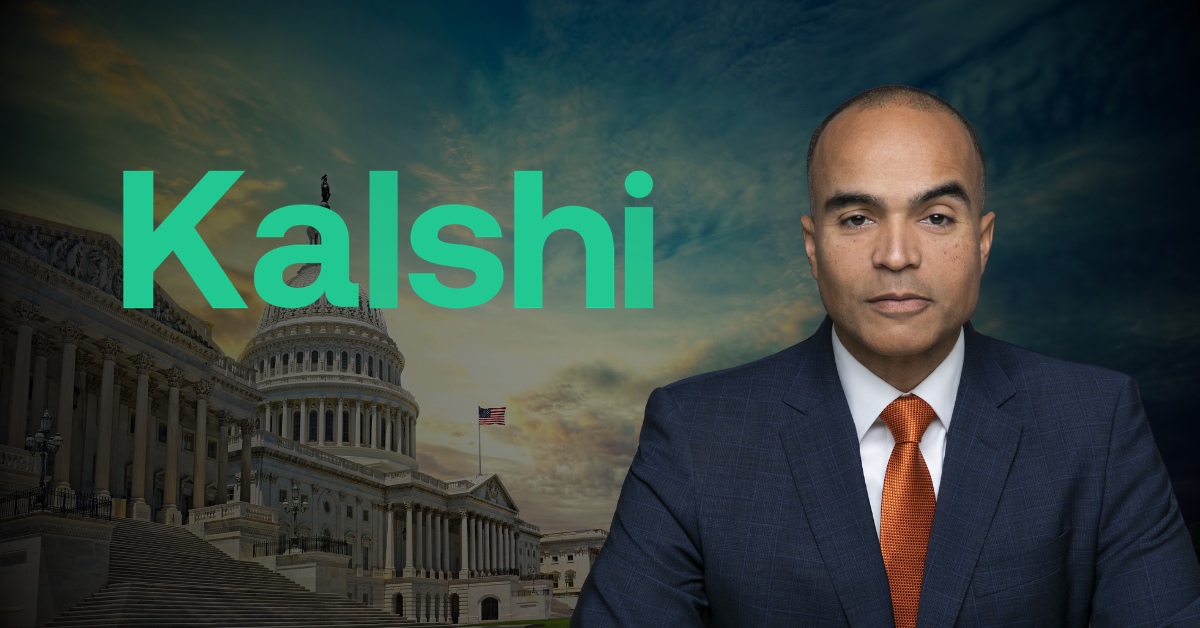
The legal landscape for prediction markets in the United States grew significantly more treacherous this Friday. Washington State Attorney General Nick Brown filed a sweeping lawsuit against Kalshi, alleging that the platform’s event contracts are a thinly veiled form of illegal gambling.
The complaint asserts that Kalshi has bypassed the state’s strict oversight of gaming markets, violating the Washington Consumer Protection Act and the Gambling Act. According to the AG, simply rebranding “betting” as “prediction” does not change the mechanical reality of risking money on a future contingent event for a payout.
State AGs and gaming regulators mount legal fights across the country
Washington’s latest crackdown isn’t just a one-off event—it’s part of a growing wave of states pushing back against prediction markets. We’re seeing a real pattern here: only a few weeks ago, a Nevada judge hit Kalshi with a temporary restraining order, backing the state’s Gaming Control Board.
It feels like the legal walls are closing in as more states decide these platforms look a lot more like gambling than trading. Simultaneously, Arizona filed criminal charges against the company, specifically targeting its offering of election-based wagering. Kalshi has responded by attempting to move the Washington case to federal court, arguing that a lack of prior dialogue from the state makes the suit a sudden and unfair escalation.
The core of the dispute rests on a massive jurisdictional “gray zone.” Kalshi and its supporters at the Commodity Futures Trading Commission (CFTC) believe that because these contracts involve financial risk management, they fall under federal commodity laws. However, state regulators view them as “contests of chance.”
As 2026 progresses, the outcome of these cases will likely determine whether prediction markets can exist as a national utility or if they will be forced into a fragmented, state-by-state patchwork similar to the early days of mobile sports betting.
Final Thoughts
The “prediction vs. gambling” debate is no longer a theoretical exercise for Kalshi. With three major states now pursuing aggressive litigation, the platform faces an existential fight to define its regulatory identity.
Frequently Asked Questions
Why is Washington suing Kalshi?
The state alleges Kalshi offers illegal online gambling without a license, violating multiple consumer protection laws.
What is Kalshi’s defense?
The company maintains that its operations fall under the exclusive jurisdiction of the federal CFTC, not state gaming boards.
Can people in Washington still use Kalshi?
The legal action seeks to halt operations, though the case is currently moving toward federal court.