Key Takeaways
- Crypto is transitioning from hype to real tech; lasting value comes from strong, secure projects, not memes, trends, or celebrity hype.
- Layer 2 solutions make blockchains faster and cheaper by processing transactions off-chain, enabling mass adoption for DeFi, NFTs, and gaming.
- Decentralized Identity gives users control over personal data, enhancing privacy, security, and safe access across Web3 apps and financial platforms.
The crypto industry is no longer what it used to be. The hype cycles, the meme coins, the speculation-driven pumps are fading, and what is taking their place is far more exciting: technology that actually works. By 2026, blockchain has grown into a genuine global infrastructure, tackling the real obstacles that held it back for years. Slow transactions, high fees, scalability issues, and privacy concerns are no longer deal breakers. Builders solved them, and the results are transforming what crypto can do.
For investors, this is the shift that matters most. The easy wins from blindly following trends are gone. The projects that build lasting value now are the ones backed by strong, scalable technology, not just a loud community or a celebrity tweet. Knowing what powers these networks gives you a real edge: spotting winners early, filtering out the noise, and staying ahead of a market that moves fast. Here are five game-changing crypto technologies every serious investor needs to understand in 2026.
1. Zero-Knowledge Proofs (ZK Technology)
A key innovation in crypto today is zero-knowledge proofs, which keep transactions private and secure. They make it possible to verify information without revealing private details, ensuring data privacy and solving an important challenge for blockchain networks.
Why it matters:
- Protects privacy while keeping transactions verifiable
- Helps meet regulatory requirements without exposing sensitive info
- Improves speed and reduces costs for blockchain networks
- Enables private DeFi, secure payments, and identity solutions
For investors, ZK technology is a game-changer. It helps blockchains operate more effectively in the real world and creates new opportunities for projects focused on privacy, security, and growth. As more companies and users demand private and efficient solutions, ZK technology is becoming a key factor in determining which projects succeed.
2. Layer 2 Scaling Solutions
Layer 2 (L2) scaling solutions tackle one of the biggest challenges in crypto: slow transaction speeds and high fees. Instead of processing every transaction directly on the main blockchain (Layer 1), L2 solutions handle them off-chain and then securely settle them back on Layer 1. This approach reduces network congestion while maintaining the security and decentralization of the main chain.
These networks can process thousands of transactions per second at a fraction of the cost, making blockchain technology practical for everyday use. They are essential for supporting high-traffic applications such as DeFi platforms, NFTs, gaming, and other Web3 apps, where speed and affordability are key for users to adopt them.
Why it’s important:
- Cuts transaction fees and costs for users
- Makes it easy for more people and apps to use the network
- Makes blockchains faster and more reliable
- Supports big applications like DeFi, NFTs, and blockchain games
By 2026, Layer 2 networks are handling huge numbers of transactions, sometimes more than the main blockchain, and are becoming the foundation for practical, scalable blockchain use.
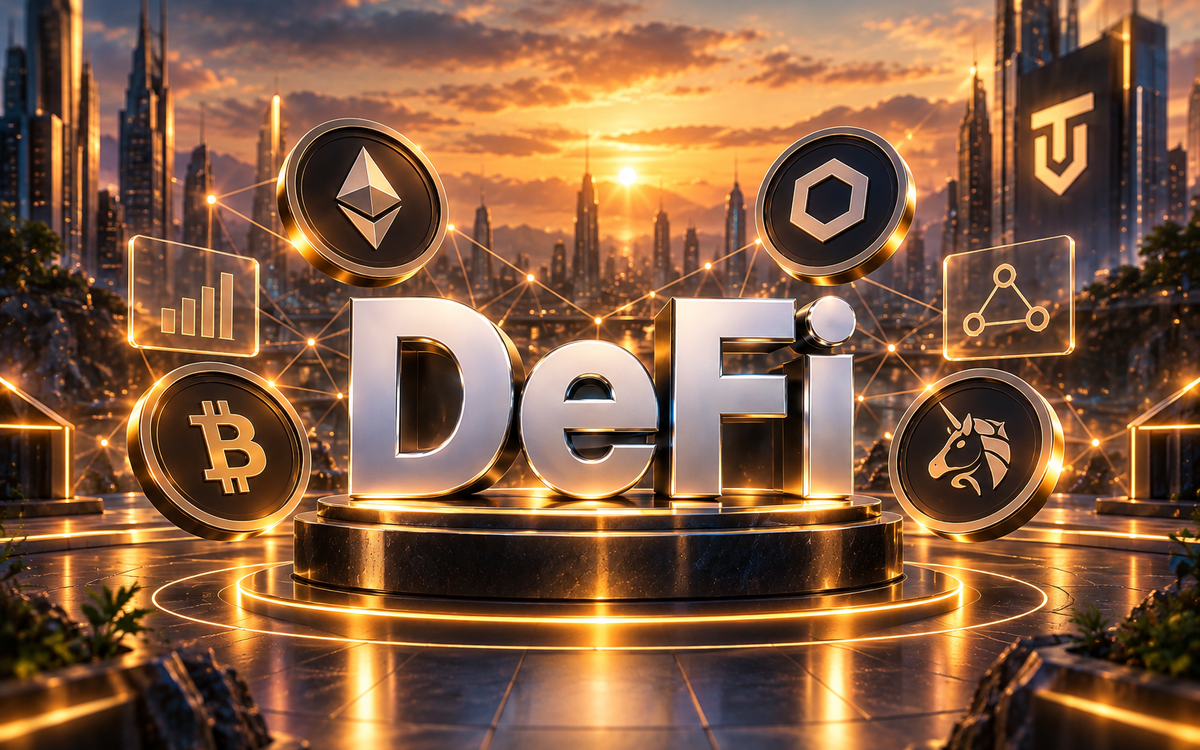
3. Decentralized Finance (DeFi 2.0)
Decentralized Finance has grown far beyond its early hype and is now becoming a more stable, secure, and user-friendly financial system. By 2026, it’s evolving into a platform that can rival traditional finance in speed, accessibility, and innovation.
Smart contracts automate transactions, removing the need for banks or other intermediaries, making financial services faster, cheaper, and accessible to anyone with an internet connection. This shift is helping create a truly global financial ecosystem that operates 24/7.
With DeFi, users can:
- Lend and borrow money directly without banks
- Trade assets peer-to-peer without exchanges
- Earn interest or rewards directly from protocols
- Access global financial services anytime, anywhere
DeFi 2.0 is also improving behind the scenes with better liquidity management, cross-chain support, and advanced security measures. These innovations make the system safer, more scalable, and practical for both everyday users and investors seeking long-term growth. With more users and companies using it, DeFi is shaping the future of crypto.
4. Tokenization of Real-World Assets (RWA)
Tokenization is the process of converting real-world assets such as real estate, stocks, commodities, or even data into digital tokens on a blockchain. Each token represents ownership or a stake in the underlying asset, making it easy to buy, sell, or trade without traditional intermediaries.
This approach allows ownership to be:
- Fractionalized, so people can invest in parts of expensive assets
- Traded globally, opening access to markets that were once restricted
- Verified instantly, with transparency and security guaranteed by blockchain
Tokenization is linking crypto with traditional finance and unlocking trillions in previously illiquid assets. It makes investing faster, cheaper, and more accessible, while allowing institutions to use blockchain without giving up their existing assets. This brings real-world value into crypto, makes hard-to-trade assets easier to access, expands use cases beyond digital-only assets, and supports institutional adoption.
5. Decentralized Identity (DID)
Decentralized Identity (DID) is transforming how people manage and control their personal data online. Unlike traditional systems that rely on centralized platforms, DID lets individuals create, own, and control their digital identity on blockchain networks. This gives users full control over what information they share, with whom, and under what conditions, improving privacy and security.
DID is particularly important for:
- Accessing DeFi platforms without relying on centralized verification
- Proving NFT ownership and transferring digital assets securely
- Meeting compliance requirements while maintaining privacy
Why it matters:
- Enhances privacy and protects personal data from hacks or misuse
- Reduces dependence on centralized services that can be breached or mismanaged
- Enables smoother and safer experiences across Web3 applications
In 2026, DID is becoming an important part of Web3, helping people manage their identity, finances, and digital assets all in one place. As more platforms start using it, DID is set to become the standard for safe, user-controlled access in the crypto space.
Final Thoughts
The crypto space in 2026 is very different from the hype and quick wins of the past. It’s now driven by real technology solving real problems. Faster networks, private transactions, decentralized finance, tokenized assets, and self-controlled digital identities are building a practical, secure, and scalable crypto ecosystem. For investors, understanding these technologies is key. The projects that succeed will be the ones built on strong, useful technology, not just hype. By knowing how ZK proofs, Layer 2 scaling, DeFi 2.0, tokenization, and decentralized identity work, you can spot strong projects early and stay ahead in a fast-moving market. Crypto today is about more than speculation. Understanding these technologies gives you an edge and shows where the future of blockchain is headed.
You Might Also Like: