Key Takeaways
- A bitcoin liquidation heatmap shows where leveraged positions will be force-closed if price reaches certain levels.
- Dense liquidation clusters act as price magnets, pulling BTC toward them before reversing.
- Platforms like Coinglass provide free, real-time liquidation heatmap data for BTC and other assets.
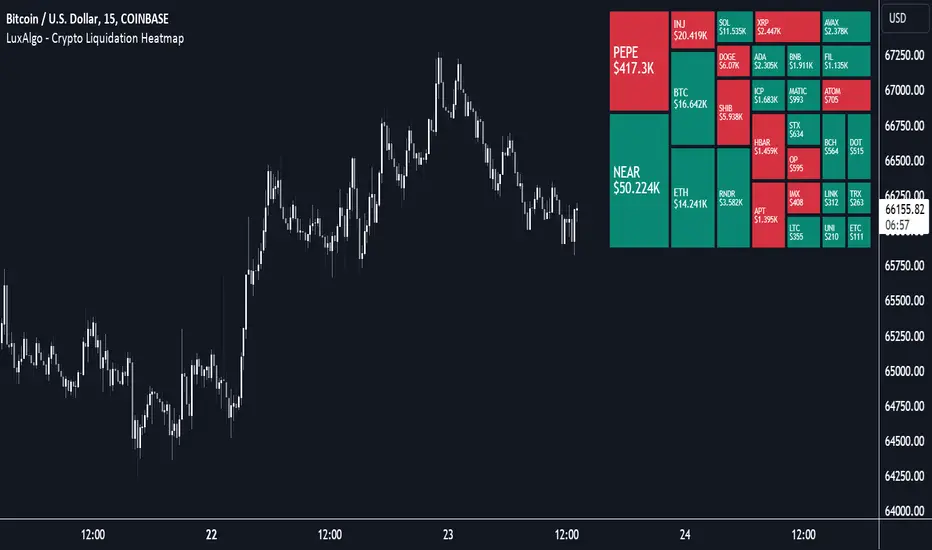
A bitcoin liquidation heatmap is a visual tool that shows where large clusters of leveraged positions sit on the price chart. When BTC price approaches those levels, forced liquidations can trigger cascading moves. Traders use this data to anticipate where price is likely to be pulled, and where it might reverse sharply.
What Is a Liquidation Heatmap and How Does It Work?
A liquidation heatmap is a chart showing where leveraged futures positions would be force-closed. It maps estimated liquidation prices for open positions across major exchanges onto a price chart, and color intensity shows where they are densest: the brightest zones mark the heaviest concentrations, where large amounts of capital would be wiped out if price passes through.
Futures traders on exchanges like Bybit and Binance use leverage to amplify their positions. If they are long and price falls below their liquidation price, the exchange automatically closes the position. The same applies to short positions if price rises above the liquidation threshold.
How to Read the Colors and Levels
Most heatmaps use a warm-to-cool color scale:
- Bright yellow/white zones represent the heaviest liquidation clusters.
- Orange zones indicate moderate concentration.
- Blue/green zones show lighter positioning.
The X-axis tracks time. The Y-axis tracks price. A bright band running horizontally across the chart at a specific price level means a large number of positions will liquidate if BTC reaches that price.
Why Price Gets Pulled Toward Liquidation Zones
This is where the heatmap becomes a trading tool rather than just a data display. Exchanges and large market makers are aware of where liquidation clusters sit. When BTC moves toward a dense zone, the liquidation cascade can accelerate the move.
Here is the sequence:
- BTC price moves toward a heavy long liquidation zone below the current price.
- As price approaches, long positions liquidate automatically.
- Those liquidations are market sell orders, pushing price down further.
- More liquidations trigger in sequence, creating a cascade.
- Price overshoots the zone, then often reverses once the selling exhausts itself.
This pattern repeats in both directions. Short liquidation clusters above current price pull BTC upward through a similar mechanism.
How Traders Use the Heatmap in Practice
The heatmap works best as a confluence tool, not a standalone signal. A few common applications include:
- Identifying potential targets. If a large liquidation cluster sits above current price and momentum is bullish, that level becomes a plausible target for the move.
- Spotting reversal zones. After a cascade through a heavy zone, the exhaustion point often coincides with a temporary price reversal.
- Adjusting stop losses. Knowing where liquidation clusters are helps traders place stops outside high-risk zones where price might spike to trigger liquidations before reversing.
- Assessing risk for leveraged positions. Before entering a leveraged trade, checking the heatmap shows whether your liquidation price sits near a cluster of others, which increases the probability of a cascade sweeping your position.
Coinglass is the most widely used free tool for this data. It aggregates liquidation estimates from Binance, Bybit, OKX, and other major exchanges. For broader on-chain data, the crypto analytics platforms listed here cover additional tools useful alongside heatmap analysis.
For traders using automated strategies, tools like Cryptohopper and 3Commas can incorporate liquidation-level awareness into bot parameters. You can also review the top crypto trading bots for options that pair with manual heatmap analysis.
Frequently Asked Questions
Is the bitcoin liquidation heatmap accurate?
Heatmaps use estimated data based on open interest and position size distributions. They are not exact because exchanges do not share all position data publicly. However, the patterns are directionally useful.
What is the best platform for a bitcoin liquidation heatmap?
Coinglass is the most popular free option. It covers multiple exchanges and updates in real time. Some paid analytics platforms offer more granular data.
Can you trade profitably using only the heatmap?
No single tool is enough for consistent trading. The heatmap works best combined with price action, volume analysis, and broader market context.
What happens during a liquidation cascade?
When price hits a dense cluster, forced closures generate market orders in the direction of the move. This accelerates price, triggering more liquidations until the cluster is cleared. Price often snaps back sharply after the cascade ends.
Does the heatmap work for altcoins too?
Yes. Coinglass and similar platforms show liquidation heatmaps for ETH, SOL, and other major assets. The same logic applies to any futures market with open interest data.