Key Takeaways
- Mastercard and Ripple both operate in the cross-border payments space, making a partnership a logical fit.
- Mastercard has already integrated blockchain payment rails in other projects, showing appetite for crypto infrastructure.
- A formal XRP-Mastercard integration could significantly expand XRP’s real-world transaction volume and price floor.
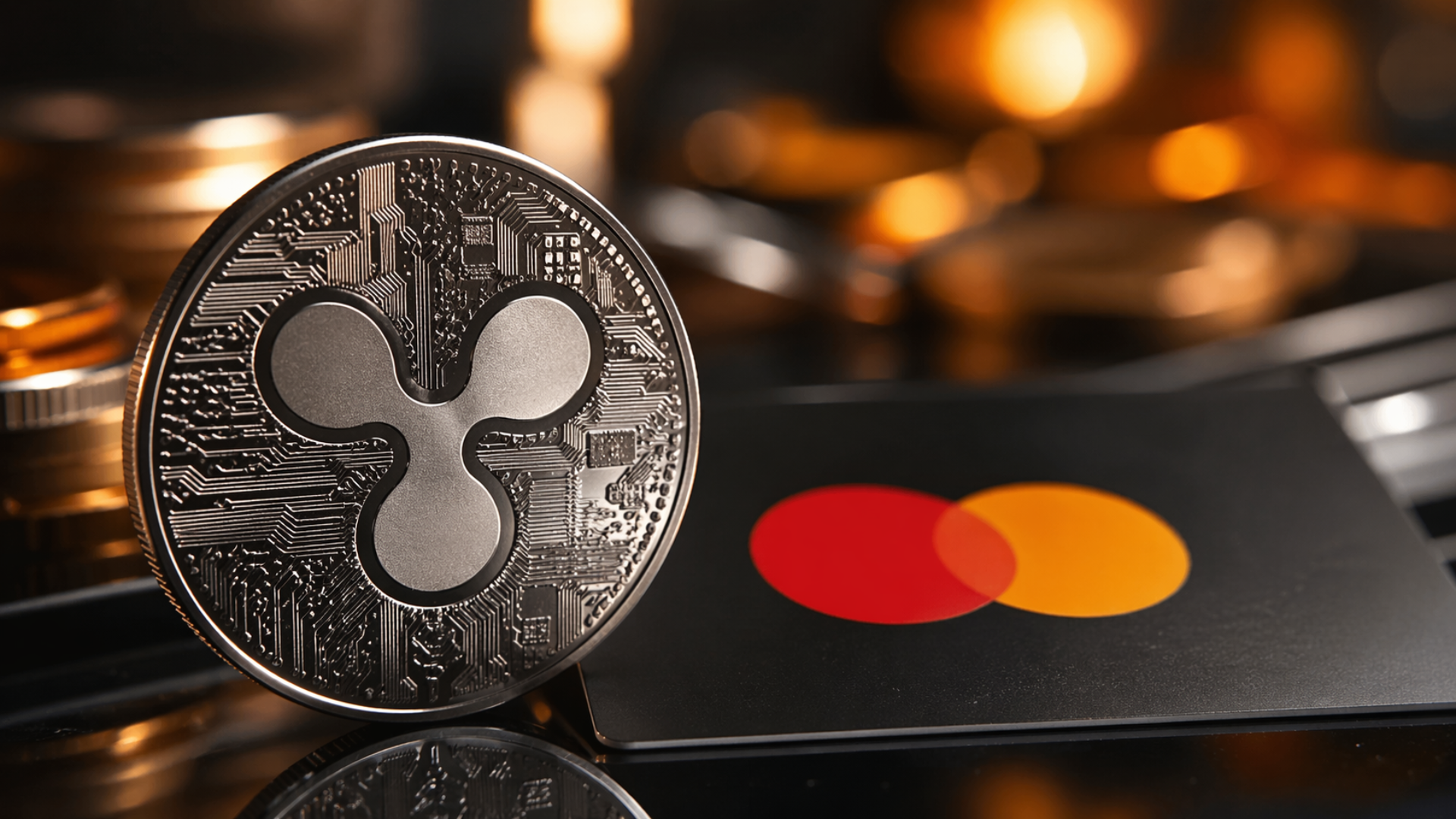
The conversation around XRP and Mastercard picked up momentum in 2025 as Mastercard expanded its blockchain payment initiatives. No formal partnership has been announced as of 2026, but the overlap between both networks is hard to ignore. Both companies move money across borders. Both want faster, cheaper settlement. The question is whether they merge those goals or continue building parallel solutions.
Where Mastercard and Ripple Currently Overlap
Mastercard processes billions of transactions daily across 210+ countries. Ripple’s payment network handles cross-border settlement for banks and payment companies in 40+ countries. Their networks do not directly compete at the consumer level, but they share the same pain point: slow, expensive international money movement.
Mastercard has already shown it is not afraid of blockchain. It launched Mastercard Crypto Credential, a service that verifies crypto wallet identities for compliant transfers. It also acquired CipherTrace in 2021 for blockchain analytics. These moves signal that Mastercard views crypto infrastructure as a long-term part of its business.
What a Formal Integration Could Look Like
Several integration models would make sense between XRP and Mastercard:
- Settlement layer. Mastercard could use Ripple Payments or the XRP Ledger as a back-end settlement rail for cross-border card transactions. This would keep Mastercard’s consumer-facing interface intact while replacing the correspondent banking layer underneath.
- Stablecoin bridge. With Ripple’s RLUSD stablecoin live on the XRP Ledger, Mastercard could use RLUSD as a settlement currency between issuing and acquiring banks in markets where dollar liquidity is constrained.
- Remittance product. Mastercard Send, the company’s push payment platform, could route transfers through Ripple’s On-Demand Liquidity (ODL) corridors to cut settlement times from days to seconds.
None of these require Mastercard to hold XRP directly. The token functions as a bridge asset in the background, which lowers the regulatory and optics barriers for a traditional financial company.
Why This Matters for XRP Price
XRP’s price has historically responded to partnership announcements and regulatory clarity more than to pure market sentiment. A Mastercard integration would fall into a different category entirely. It would represent real, sustained transaction volume flowing through the XRP Ledger.
Higher on-ledger volume increases demand for XRP as a bridge asset. Every ODL transaction requires a real-time XRP purchase at the source and sale at the destination. More corridors running through this model means more consistent buying pressure on XRP, regardless of speculative trading activity.
Ripple’s existing banking partnerships through Kraken and Coinbase give XRP accessible on-ramps for institutions watching this space. For deeper context on Ripple’s current banking relationships, the top banks using Ripple products gives a useful breakdown.
What Would Trigger a Partnership Announcement
Several conditions would need to align before a Mastercard-Ripple partnership becomes official.
Regulatory clarity in the US is the most important factor. The SEC settlement in 2025 removed the legal cloud from XRP, but financial institutions still watch for consistent regulatory guidance before committing to public blockchain integrations. The current regulatory environment under the Trump administration has moved in a favorable direction for this kind of deal.
Mastercard’s own blockchain strategy also plays a role. The company runs its own Multi-Token Network (MTN), which supports tokenized asset settlement. If MTN integrates with external ledgers for specific use cases, the XRP Ledger becomes a strong candidate given its speed, low fees, and existing financial institution relationships.
Traders and long-term holders keeping XRP in secure storage should consider Ledger or Trezor for cold storage while monitoring partnership developments. You can also review top XRP influencers who track Ripple’s institutional deals closely.
Frequently Asked Questions
Has Mastercard officially partnered with Ripple or XRP?
No official partnership has been announced as of 2026. However, both companies operate in overlapping payment corridors, and industry watchers consider a collaboration plausible given the regulatory environment and Mastercard’s blockchain activity.
How would a Mastercard-XRP partnership affect XRP price?
A real integration would drive consistent on-ledger transaction volume. Higher ODL usage requires ongoing XRP purchases, which creates sustained buying pressure beyond speculative trading.
Does Mastercard use blockchain for payments?
Yes. Mastercard has launched Crypto Credential for compliant wallet transfers and its Multi-Token Network for tokenized asset settlement. It has also acquired blockchain analytics company CipherTrace.
Would Mastercard need to hold XRP to use Ripple’s network?
No. In Ripple’s ODL model, XRP is purchased and sold in real time as a bridge asset. Mastercard would not need to hold XRP on its balance sheet to use the settlement layer.
Where can I follow XRP partnership news?
XRPScan, Ripple’s official blog, and dedicated XRP community accounts on X are the most reliable sources for partnership announcements and on-chain volume data.