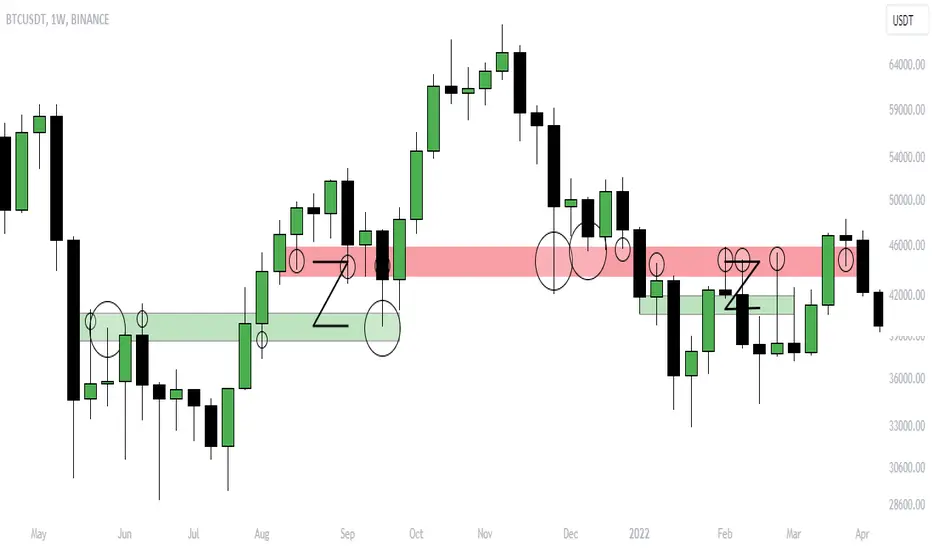
Key Takeaways
- Bitcoin support levels are price zones where buying pressure has historically stopped downward moves.
- Resistance levels are zones where selling pressure has historically capped rallies.
- Key 2026 levels are derived from the 2024 halving price action, previous all-time highs, and high-volume nodes on the BTC chart.
Bitcoin support and resistance levels are the price zones that traders and analysts track most closely. They are not exact numbers. They are ranges where price has historically found buyers or sellers in volume. In 2026, several major zones define the structure of the BTC market.
What Support and Resistance Mean in Bitcoin Trading
Support is a price zone below the current market price where buying interest is strong enough to stop or reverse a downtrend. When BTC falls to a support level, buyers step in. Resistance is the opposite: a price zone above current price where sellers are concentrated enough to cap upward moves.
These levels form for several reasons:
- Previous highs and lows. A former all-time high often becomes support once price breaks above it. The 2021 high of around $69,000 became a key support zone once BTC exceeded it in the 2024 rally.
- High-volume nodes. On a Volume Profile chart, price levels where BTC has traded in high volume tend to attract price back to them. These are called Point of Control (POC) levels.
- Round numbers. $50,000, $100,000, and $150,000 act as psychological levels. Traders cluster orders at round numbers, creating self-fulfilling support or resistance.
- Moving averages. The 200-week moving average has served as long-term support for BTC in every bear market cycle. The 200-day moving average works similarly on shorter timeframes.
Key Bitcoin Support Levels to Watch in 2026
The specific levels that matter shift with price action, but the most relevant zones in 2026 center around the major structural levels formed during the 2023 to 2025 bull run. Here are the tiers traders are watching:
Major Long-Term Support Zones
- $80,000 to $85,000. This zone aligns with the breakout from the 2024 consolidation range. It served as strong resistance before BTC pushed higher, making it a high-probability support floor on pullbacks.
- $69,000 to $73,000. The 2021 all-time high zone. Once BTC cleared this area in 2024, it became significant structural support. A return to this level would represent a deep correction.
- 200-week moving average. This level sits around $45,000 to $50,000 in 2026 and tends to rise roughly $5,000 to $8,000 per quarter. It has never been broken on a weekly close in BTC’s history.
Key Resistance Levels in 2026
- $109,000 to $112,000. The approximate all-time high set in early 2025. This is the primary resistance ceiling for BTC in the current cycle.
- $120,000 to $130,000. The next significant psychological and technical resistance zone if BTC breaks out above the 2025 high.
How to Use Support and Resistance in Your Trading
Knowing where these levels are is useful. Knowing how to act on them is the practical part. Here are common approaches traders use:
- Buying at support. When BTC pulls back to a confirmed support zone with decreasing sell volume, many traders treat it as a higher-probability entry point compared to buying mid-range.
- Setting profit targets at resistance. If you enter near support, a nearby resistance zone is a logical place to take partial profits rather than hoping for an extended rally.
- Stop loss placement. Placing stops slightly below a support level protects against a breakdown while giving the level room to hold. Stops placed exactly at support often get hunted.
- Breakout confirmation. A clean close above resistance on high volume confirms the breakout. Many traders wait for this confirmation rather than buying the first attempt at breaking through.
Tools like Cryptohopper let you set bots around these levels for systematic entries and exits. For on-chain data that complements technical analysis, the crypto analytics platforms guide covers tools used by active BTC traders. You can also review top crypto research platforms for additional DYOR tools.
Traders holding BTC in self-custody between trades benefit from reliable hardware wallets. Ledger and Trezor both support BTC cold storage across their full product lines.
Frequently Asked Questions
How often do bitcoin support levels hold?
No level holds 100% of the time. Strong support zones derived from high-volume nodes and previous structural highs have better historical reliability than arbitrary price picks. Confluence of multiple indicators at one level increases the probability.
What is the most important bitcoin support level in 2026?
The $80,000 to $85,000 zone is widely watched as the primary support floor after the 2024 breakout. Below that, the $69,000 to $73,000 former ATH zone is the next major structural support.
Do support and resistance levels change over time?
Yes. As BTC price moves to new all-time highs, new support and resistance zones form. Old levels remain relevant but shift in significance relative to current price action.
What is the difference between dynamic and static support?
Static support is a fixed price level, like a previous high or low. Dynamic support moves with price, like a moving average. The 200-day and 200-week moving averages are the most widely tracked dynamic support levels for BTC.
Can I use support and resistance for short-term trading?
Yes. The same principles apply across all timeframes. Intraday traders use hourly and four-hour chart levels. Swing traders use daily levels. Long-term investors use weekly and monthly chart structures.