Key Takeaways
- Dubai residents can now pay taxes, permits, and government service fees using Bitcoin and other cryptocurrencies through the Crypto.com app.
- All crypto payments are automatically converted into UAE dirhams before reaching the government, removing direct exposure to crypto volatility.
- Crypto.com serves as the regulated payment provider, enabling crypto-to-fiat government transactions under UAE financial approval.
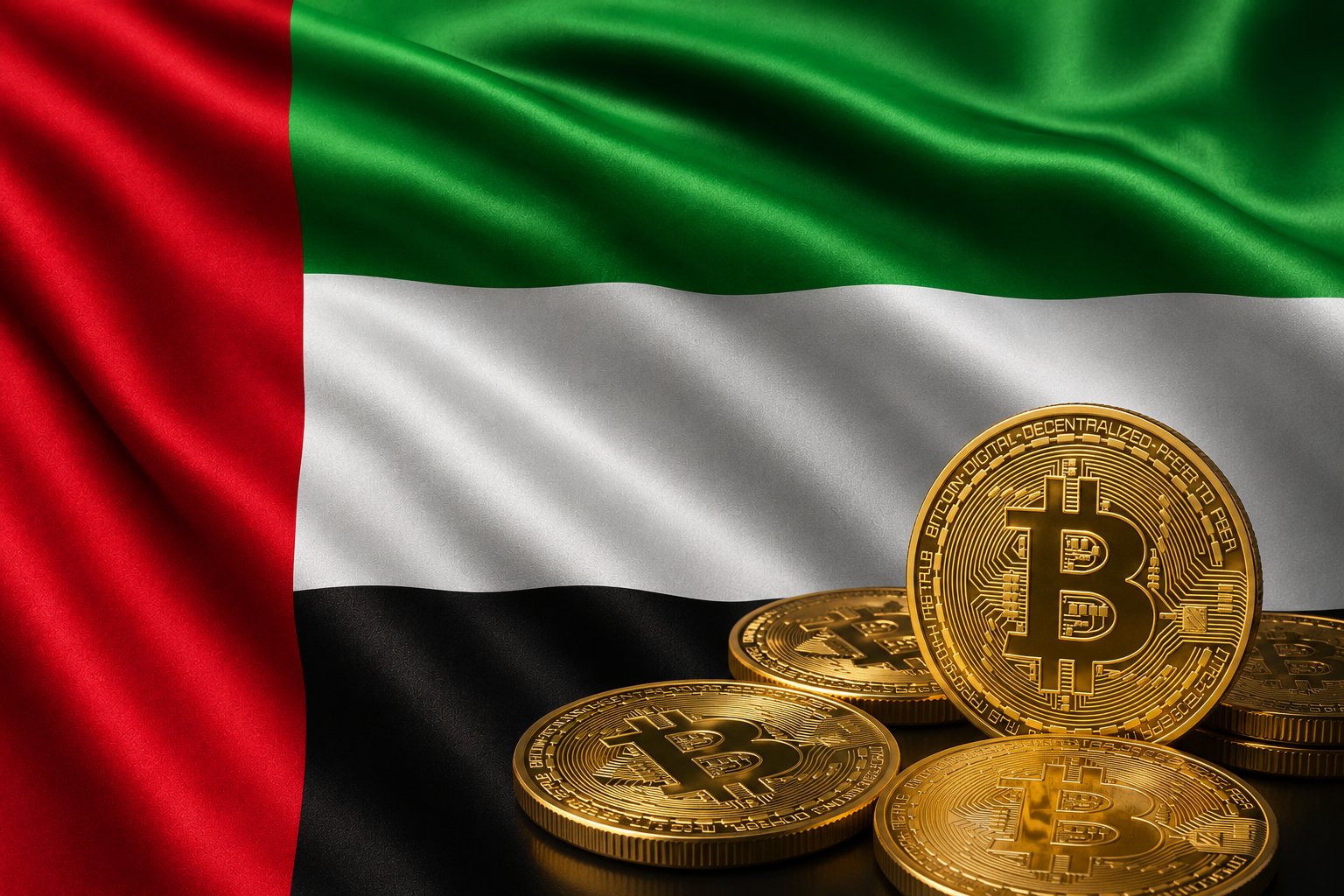
Dubai is taking another major step toward becoming a global crypto capital after announcing a new payment system that will allow residents to pay government taxes and service fees using Bitcoin and other cryptocurrencies.
The initiative comes through a partnership between Dubai’s Department of Finance and Crypto.com, one of the world’s largest crypto exchanges. The agreement follows Crypto.com receiving a Stored Value Facilities (SVF) license from the Central Bank of the UAE, allowing the company to handle regulated payment services tied to government transactions.
This is bigger than it sounds. Most governments still see crypto as something you invest in, not something you spend. Dubai is changing that thinking by making digital currencies usable for real, everyday government transactions at a scale very few countries have come close to before.
How the Crypto Payment System Will Work
So how does it actually work in practice? Once the system is live, residents can log in to Crypto.com’s payment platform, choose their preferred cryptocurrency, and pay for selected government services just as they would with any other method. Bitcoin is among the supported options.
1. Automatic Conversion, No Crypto Held by the Government
The payment doesn’t land in crypto form on the government’s end. Instead, it gets automatically converted into UAE dirhams before it reaches them. That detail matters more than it might seem. It means the government continues to receive money in its local currency as usual, while residents have the freedom to pay in crypto.
It also takes the edge off one of the biggest concerns around crypto payments, which is price swings, since the government never actually holds the digital assets during the process.
2. Built With Strict Financial Safeguards
The system was also built with tight compliance standards from the ground up. Think anti-money laundering checks, real-time transaction monitoring, and cybersecurity requirements that meet the UAE’s regulatory framework. This isn’t a rushed rollout. It was clearly designed to hold up under scrutiny.
3. What You Can Actually Pay For
As for what residents can use it for, the list is expected to grow over time. The initial scope covers taxes, licensing fees, permits, and a range of other public-sector transactions, with more services likely to be added as the system matures.
Why Dubai Is Expanding Into Crypto Payments
This move didn’t come out of nowhere. Dubai has been building toward a crypto-friendly future for years, and accepting digital payments for government services is a natural part of that progress.
1. A Foundation That Was Already in Place
Long before this announcement, Dubai had already laid the groundwork. The city rolled out specialized virtual asset regulations, built out licensing systems for crypto companies, and launched dedicated blockchain economic initiatives. Accepting crypto for government payments isn’t a leap for Dubai. It’s a continuation of a strategy that has been years in the making.
2. Part of a Bigger Cashless Vision
This also ties directly into Dubai’s broader “Dubai Cashless Strategy,” an ambitious plan to shift the majority of financial transactions in the city toward digital payment systems. Within that vision, blockchain-based payments check a lot of boxes:
- Faster settlement times compared to traditional banking.
- Lower processing friction for cross-border transactions.
- Greater transparency and traceability of public fund movement.
- A stronger signal to global fintech players that Dubai is open for business.
3. A Tax Environment That Crypto Businesses Actually Want
The UAE’s tax setup has helped too. There are no capital gains taxes on crypto profits, which has made Dubai an easy choice for crypto firms, exchanges, and Web3 startups looking for a base. Over time, that steady influx has turned the city into one of the more recognized blockchain hubs in the world. All of that makes this latest announcement feel less like a surprise and more like a city doing what it has been planning to do for years.
Crypto.com’s Role in the Partnership
Crypto.com is the company powering the payment system behind this initiative. It became the first Virtual Asset Service Provider in the UAE to receive approval for government-linked crypto payments, allowing it to connect digital asset transactions to the UAE’s regulated financial system. Residents pay in crypto, while the government and merchants continue operating through normal banking channels.
The approval wasn’t handed over easily. Regulators went through the company’s compliance systems, cybersecurity setup, and transaction monitoring tools before giving the go-ahead. Passing that review does more than make the partnership possible. It also strengthens Crypto.com’s position in the Middle East, a region where global exchanges are increasingly fighting for ground.
Final Thoughts
Dubai’s move to let residents pay taxes and government fees using crypto through the Crypto.com app shows how quickly the city is turning digital assets into everyday tools, not just investments. It’s a practical step that brings crypto into real public-sector use under a regulated system. At the same time, the setup keeps things stable by automatically converting payments into UAE dirhams, so the government avoids crypto volatility while users get flexibility. Overall, it reinforces Dubai’s push to stay ahead as a global crypto hub by making blockchain payments part of real-world services.
Frequently Asked Questions
Can Dubai residents now pay taxes and fees with crypto?
Yes. Dubai residents can now pay selected taxes, permits, licensing fees, and other public service charges using Bitcoin and supported cryptocurrencies through the Crypto.com app. Payments are automatically converted into UAE dirhams before reaching government accounts.
How do crypto payments for government services work in Dubai?
Residents choose a supported cryptocurrency in the Crypto.com app, complete the payment, and the system automatically converts it into UAE dirhams before transferring it to government accounts.
Is this crypto payment system officially regulated in the UAE?
Yes. The system operates under UAE financial regulations, including approval through a Stored Value Facilities license from the Central Bank of the UAE, with strict compliance and monitoring requirements.
What impact could this have on global crypto adoption?
Dubai’s approach could serve as a model for other governments exploring regulated crypto payments, especially systems that allow crypto use while still settling in local currency.