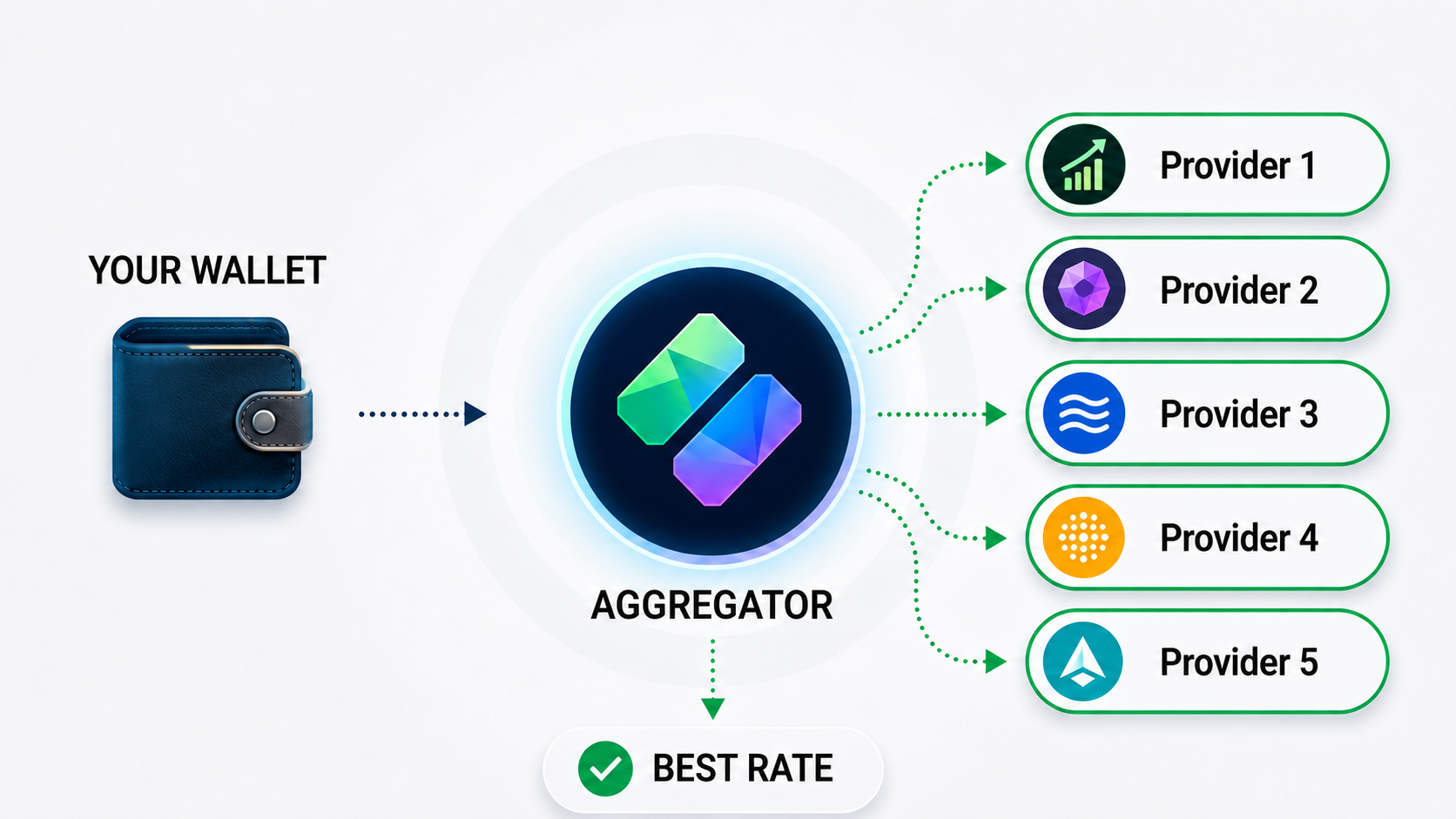
No-KYC crypto services promise a simpler relationship between the user and the platform. Instead of beginning with a passport upload and a facial check, access may be based on account security, wallet ownership, and transaction-level controls.
The appeal is clear: faster onboarding and less exposure of sensitive personal information. The risks also deserve attention. A platform still needs to prevent fraud, comply with sanctions obligations, enforce regional restrictions, and explain how it handles suspicious activity.
Maczo’s recent decision to remove document-based KYC while reducing broad promotional campaigns shows how privacy and incentive design can be combined in one operating strategy.
What No-KYC Should Mean
The phrase “no KYC” is not used consistently across the industry.
For one service, it may mean no documents at registration but possible verification at withdrawal. For another, it may apply only below a transaction threshold. A third platform may use risk-based monitoring without routine identity files at any stage of the standard journey.
Users should therefore read the exact terms rather than rely on a headline. Readers who want a fuller picture of how identity-light access actually works in practice can see this guide on buying Bitcoin anonymously, which walks through the tradeoffs in more detail.
A clear policy should state whether documents are required to create an account, use the product or withdraw. It should also explain age and regional rules, transaction monitoring and the circumstances that may lead to restrictions.
No-KYC is most useful when it describes a precise process rather than an undefined promise of anonymity.
The Privacy and Speed Benefits
Identity documents contain information that can create permanent harm after exposure. Legal names, birth dates, photographs, and document numbers cannot be rotated like passwords.
Avoiding unnecessary collection reduces the amount of material that must be stored, shared with vendors, and protected from unauthorized access.
The onboarding advantage is equally visible. Users do not need to prepare files, complete image-quality checks or wait for manual review. They can evaluate the service before making a large personal-data commitment.
This model is particularly relevant to crypto users, who often expect wallet-based products to minimize intermediaries and request only information that serves a defined purpose.
Why No-KYC Does Not Eliminate AML Risk
Removing document checks does not make transaction risk disappear.
Public blockchains can reveal exposure to sanctioned addresses, stolen assets, mixers, criminal markets and other known high-risk sources. Analytics systems can evaluate these connections without first collecting a passport from every ordinary user.
Behavioral monitoring can identify unusual volume, coordinated accounts, device patterns and attempts to bypass platform rules.
A risk-based service may limit, suspend or reject activity when these signals are strong. It should also provide a process for reviewing mistakes, because blockchain associations and automated systems can produce false positives.
The important distinction is between routine identity collection and targeted risk control. A no-KYC platform can remove the first while retaining the second.
How Promotions Can Create Verification Pressure
Acquisition incentives influence the risk profile of a platform.
A large, widely available bonus can attract users interested only in extracting the reward. Some may create duplicate accounts, coordinate activity, or choose strategies designed to satisfy campaign rules with minimal exposure.
Companies often respond by adding more verification, eligibility checks, and complicated conditions. Genuine users then face friction that was introduced to control promotion abuse.
More disciplined incentives can reduce this pressure. A platform may offer fewer blanket rewards while spending more on product reliability, support, and benefits connected to genuine participation.
This is why promotional strategy belongs in the no-KYC discussion. Privacy is easier to protect when the business model does not deliberately attract behavior that requires intrusive countermeasures.
Maczo’s Combined Approach
The Maczo crypto gaming platform states that identity documents are not required for standard play or withdrawals.
Maczo’s published policies describe blockchain analytics, sanctions screening, fraud checks, and behavioral risk signals. Transactions connected to prohibited or high-risk sources may be limited, suspended or rejected, and withdrawals are intended for wallets controlled by the account owner, the same self-custodial wallet model that underpins most no-KYC platforms.
The company is also reducing broad promotions. Maczo says it wants to preserve more budget for active players rather than accounts created primarily to claim a short-term reward.
The two changes reinforce each other. Data minimization reduces document-storage risk, while selective promotions aim to reduce duplicate and incentive-only accounts.

Risks Users Should Understand
No-KYC does not automatically mean secure, legal in every location, or suitable for every user.
Regional rules still apply. A platform may restrict access from certain jurisdictions, and users remain responsible for understanding the laws relevant to them.
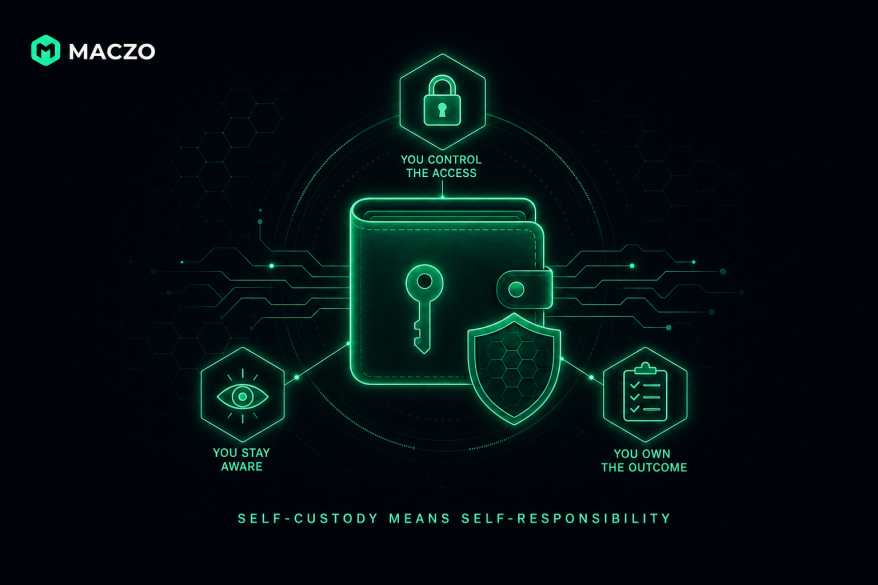
Account security also becomes more important when identity documents are not used as a routine recovery tool. Strong passwords, two-factor authentication and control of the connected wallet can be essential, and it’s worth reviewing the most common crypto wallet security mistakes before relying on a no-KYC platform for regular use.
Users should also understand how transaction monitoring works, what may trigger a restriction, and how support handles a disputed decision.
Finally, a reduced promotional budget is only beneficial if the saved resources create visible value. Fewer bonuses without a stronger product would be a cost reduction, not a player-first strategy.
A Practical Standard for No-KYC Services
A responsible no-KYC platform should make several facts easy to verify.
It should define precisely when documents are not required. It should publish the controls that remain active. It should explain regional and account restrictions, maintain a fair review process, and avoid promotions that predictably encourage abuse.
It should also compete through the quality of the core experience rather than using privacy as a substitute for reliability.
Maczo’s model meets the first part of that standard on paper: no routine identity documents, continued risk-based controls, and a stated shift from broad bonus spending toward active players.
The next test is execution. If the company can keep monitoring accurately and make the preserved budget visible in the player experience, its approach may provide a useful blueprint for other crypto-native services.
No-KYC is not the absence of responsibility. At its best, it is a more proportionate way to manage responsibility: collect less irreversible personal data, monitor risk where evidence exists, and build incentives around long-term use.