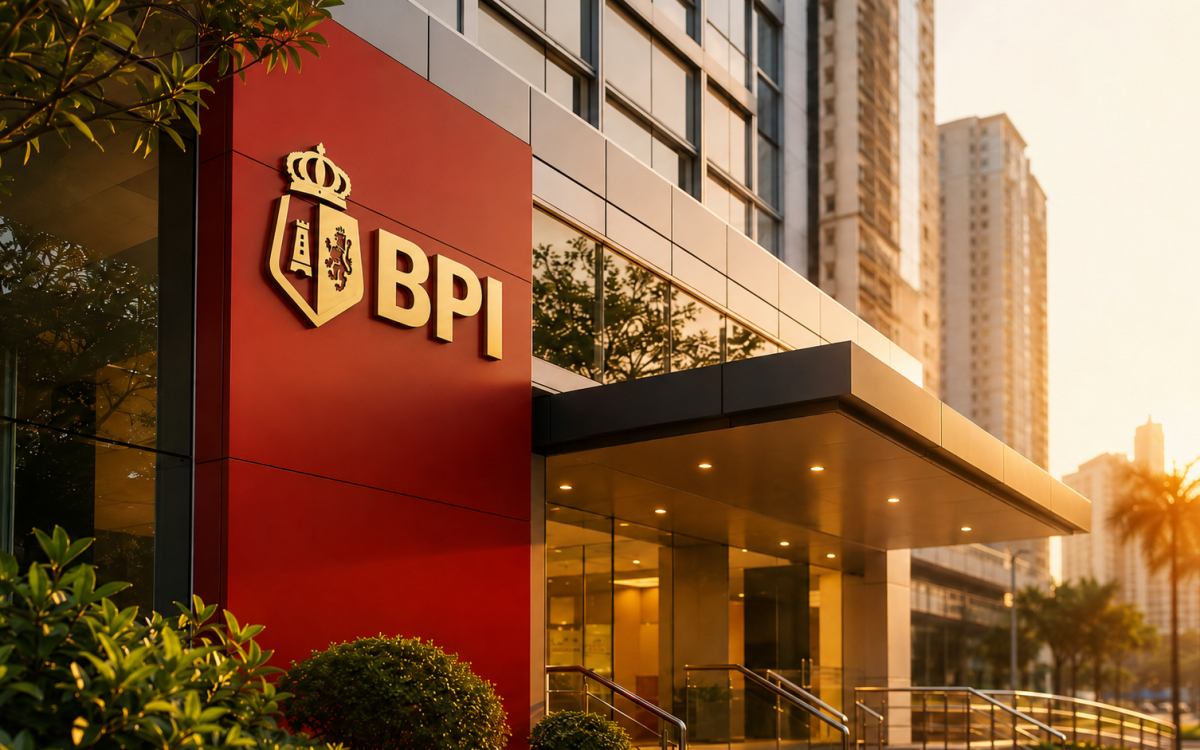
The Bank of the Philippine Islands (BPI) has partnered with global digital clearinghouse Meridian to pilot a stablecoin-based settlement system for cross-border payments, starting with payroll credits for freelancers and virtual assistants earning income from overseas clients.
How the Pilot Works
In the planned payment rail, stablecoins act as an intermediary settlement instrument, moving value across borders before funds are converted into Philippine pesos (PHP) and credited to recipient accounts.
BPI plans to expand the service to a broader range of clients ahead of the 49th ASEAN Summit in November. The bank said it will conduct the pilot in coordination with the Bangko Sentral ng Pilipinas (Central Bank of the Philippines) and within existing regulatory frameworks, prioritizing consumer protection and reserve transparency before any wider rollout.
BPI President and CEO TG Limcaoco said: “Filipinos move billions of pesos every year, and it is our responsibility to make sure that their money arrives faster, cheaper, and just as securely as it does today. Exploring stablecoin rails is a natural extension of BPI’s digitalization strategy and customer focus.”
Meridian President and CEO Will Haering framed the partnership as a model for traditional banks, saying: “BPI is showing what leadership looks like: taking a technology the world is adopting and making it work inside the banking system, safely, for the benefit of every client.”
Not the First Mover, But a Notable Shift
BPI isn’t the first Philippine institution to explore this kind of rail. Cryptocurrency platforms Coins.ph and PDAX already offer stablecoin conversion and payout services locally, and Cebuana Lhuillier recently announced its own stablecoin remittance rails built with Fireblocks on the Solana blockchain.
What makes BPI’s move notable is less the technology itself and more who’s adopting it. For context, BPI is one of the Philippines’ oldest and largest traditional banks, and Limcaoco himself said in 2021, shortly after becoming CEO, that he didn’t view private cryptocurrencies as an asset class given their lack of underlying value and legal backing, expressing support instead for BSP-led central bank digital currency work over decentralized digital assets.
A regulated stablecoin settlement rail isn’t the same thing as endorsing speculative crypto assets, but it does mark a shift from that earlier skepticism toward practical use of the underlying technology.
The BSP has continued studying digital asset applications in parallel, including its own wholesale CBDC experiments, as part of a broader push to modernize the country’s payment systems.
Readers interested in how stablecoins are reshaping remittances more broadly can find context in our coverage of 5 ways stablecoins make cross-border payments faster and our guide on crypto remittance services with mobile apps.
What Comes Next
The pilot arrives as Philippine remittance growth has slowed to a four-year low, giving BPI a clear commercial incentive to cut costs and settlement times for the millions of Filipinos receiving income from abroad.
Whether the service expands beyond payroll credits for informal workers will depend on how the pilot performs against BPI’s own stated bar on consumer protection safeguards and transparency around stablecoin reserves.
What this means for you: this is aimed at inbound dollar income for freelancers and overseas workers specifically, not a general-purpose crypto product, so its relevance depends largely on whether you or someone you know receives income from abroad through informal channels today.