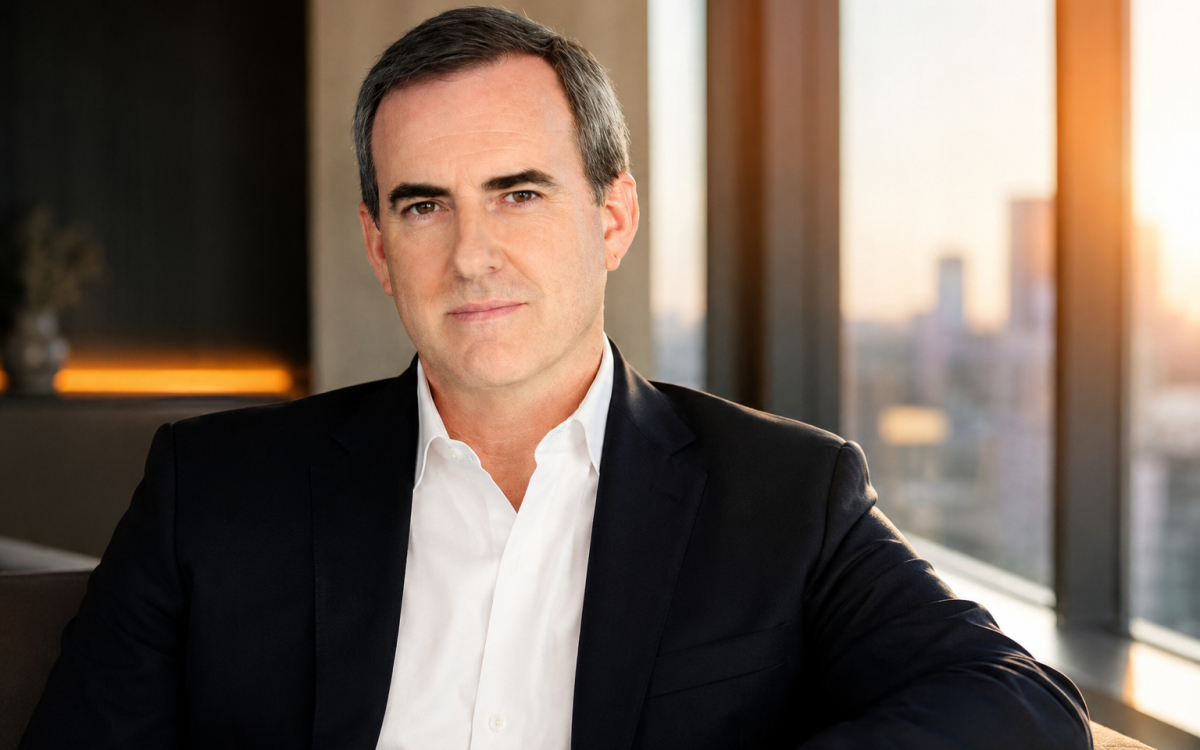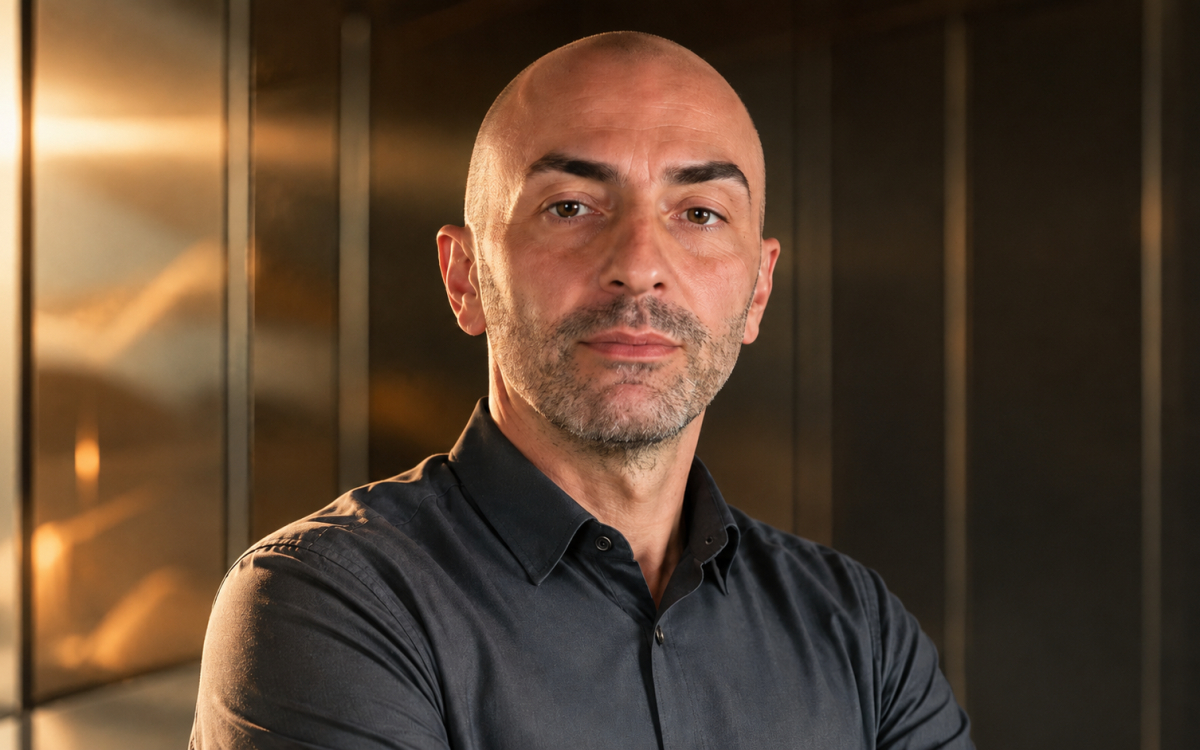
Jacob Robert Steeves is the co-founder of Bittensor, the decentralized network that pays contributors in TAO for training and validating AI models across the blockchain. Known in the community by his handle “Const,” Steeves stepped down as CEO of the Opentensor Foundation in February 2026 and spent much publicly defending Bittensor’s governance after a high-profile subnet developer accused him of running the project like a centralized company.
Who Is Jacob Robert Steeves?
Jacob Robert Steeves is a Canadian software engineer who studied Mathematics and Computer Science at Simon Fraser University in Vancouver from 2011 to 2015, earning a Bachelor of Applied Science. He first worked as a machine learning researcher at Knowm Inc. from 2015 to 2016, then joined Google’s Brain team as a software engineer from December 2016 to April 2018, where he worked on large-scale machine learning systems that later shaped his approach to the wider crypto and AI landscape.
Steeves has said the idea behind Bittensor began to take shape around 2015, while he was still studying and researching adaptive computing. He kept building on the concept on the side during his time at Google, then committed to it full time in 2018.
In 2019, he co-founded Bittensor with Ala Shaabana, known in the ecosystem as “ShibShib,” setting out to build a blockchain network that rewards contributors for machine intelligence, similar to how Bitcoin rewards its miners. The Opentensor Foundation, the nonprofit entity that stewarded the protocol’s early development, launched Bittensor’s mainnet in January 2021.
Steeves posts publicly on X, where he has become one of the most visible individual voices in decentralized AI, mixing technical commentary on Bittensor’s subnet architecture with commentary on AI policy and open-source development.
Jacob Robert Steeves’ Career and Contributions
Steeves served as co-founder and CEO of the Opentensor Foundation from Bittensor’s early development through February 2026, when he and Shaabana both announced they were stepping down from their executive roles.
He described the move as a structural change rather than a change in his day-to-day work, writing that he would keep attending the same calls, writing chain code, and building subnets, just without the same formal legal authority over the foundation. The transition came alongside a 2026 roadmap aimed at reducing Bittensor’s dependence on any single person or organization, including plans to expand validator competition and introduce conviction-based voting for TAO holders.
Beyond the foundation, Steeves has also taken on the CEO role at Affine, a Bittensor subnet focused on reinforcement learning research, keeping him directly involved in building on top of the network he helped create. He has represented Bittensor at industry events, including the Proof of Talk Summit in Paris, a fireside chat at Korea Blockchain Week 2025 in Seoul, and dAI.log 2025, where he generally spoke on decentralized incentive design for AI compute and storage.
Under his leadership, Bittensor grew from an early research protocol into a network running more than 128 active subnet teams and over 20 core validator teams. That growth has come with added scrutiny of how much control any one person retains over a system marketed as leaderless, a tension that came to a head in April 2026 and that Steeves has since tried to answer with concrete protocol changes rather than just public statements.
Jacob Robert Steeves’ Views and Positions
Steeves has consistently argued that concentrating advanced AI development inside a handful of well-funded corporations creates the kind of power he considers dangerous, regardless of who holds it. In a 2023 interview with Fox Business, he criticized proposals for federal licensing of advanced AI systems as effectively anticompetitive, arguing they would benefit large incumbents and the officials who write the rules while shutting out open-source developers.
That philosophy was tested directly in April 2026, when Covenant AI, the team behind Bittensor’s high-profile Covenant-72B model, publicly exited the network. Covenant founder Sam Dare accused Steeves of maintaining unilateral control over Bittensor’s “triumvirate” governance structure, calling the project’s decentralization claims “decentralization theatre” in an April 9, 2026 statement on X.
Steeves responded the next day, denying he had the ability to suspend subnet emissions and stating that he had sold less than 1% of his total holdings in Covenant’s subnets, characterizing the sale as a response to inactive subnets rather than financial pressure. On the claim that he had deprecated Covenant’s infrastructure, he wrote simply, “Not even sure what this one means.” He did not directly address Dare’s broader allegation that Bittensor’s three-person multisig structure concentrates effective control in his hands.
On April 11, 2026, Steeves published a longer response, describing the dispute as a personal betrayal and proposing a mechanism called Locked Stake, which would allow subnet owners to lock their tokens for a defined period as a public signal of long-term commitment. In the same wave of posts, he wrote that the episode would push Bittensor toward what he called “headless” subnets, designed to function as commodities rather than depend on any founding team. He closed the statement by calling Bittensor the most decentralized AI protocol currently in existence, while acknowledging it still has work to do.
Jacob Robert Steeves in the News
The most significant recent story involving Steeves is Bittensor’s April 2026 governance dispute with Covenant AI, which triggered a sharp sell-off in TAO. Following Sam Dare’s April 9, 2026 exit announcement, TAO fell roughly 15% to 27% intraday, dropping from the $335 to $340 range down to the $250s within hours. The episode drew attention from figures well outside Bittensor’s usual audience after a site called Tao Papers published internal records claiming that 38 of 41 network upgrades between 2023 and 2026 originated from infrastructure Steeves controlled.
Steeves’s February 2026 resignation as Opentensor Foundation CEO also continues to shape how the market reads his role. Reporting since then frames the move as a deliberate step toward reducing key-person risk, and Steeves has followed it with a public roadmap targeting full protocol decentralization by December 2027.
Steeves remains an active figure among crypto personalities shaping how decentralized AI networks are governed, and his responses to the Covenant AI dispute suggest he intends to keep building rather than step back from public view.
Frequently Asked Questions
Need a refresher on the basics? These are the questions readers most often ask about Jacob Robert Steeves and his role at Bittensor.
Who is Jacob Robert Steeves?
Jacob Robert Steeves is a Canadian software engineer and the co-founder of Bittensor, a decentralized AI network built on blockchain technology. He studied Mathematics and Computer Science at Simon Fraser University and previously worked as a machine learning engineer at Google before dedicating himself to Bittensor full time in 2018.
Is Jacob Steeves still CEO of Bittensor?
Steeves stepped down as CEO of the Opentensor Foundation in February 2026, a move he described as reducing his formal legal authority while keeping his day-to-day involvement in Bittensor’s development unchanged. He currently also serves as CEO of Affine, a research-focused subnet built on Bittensor.
What happened between Jacob Steeves and Covenant AI?
In April 2026, Covenant AI founder Sam Dare publicly exited Bittensor, accusing Steeves of unilateral control over the network’s governance and calling its decentralization claims “theatre.” Steeves denied the core allegations in an April 10, 2026 X post, and the dispute triggered a sharp short-term drop in TAO’s price.
What did Jacob Steeves build before Bittensor?
Before Bittensor, Steeves worked as a machine learning researcher at Knowm Inc. from 2015 to 2016 and then as a software engineer on Google’s Brain team from December 2016 to April 2018, where he gained experience with large-scale machine learning systems that later informed Bittensor’s design.
Why did Jacob Steeves step down as Opentensor CEO?
Steeves has framed his February 2026 resignation as part of a broader push to decentralize Bittensor’s governance and reduce reliance on any single person or organization, a goal he expanded on with an 18-month roadmap targeting full decentralization by December 2027.