Key Takeaways:
- Trust Wallet and MetaMask lead with multi-chain support for global remittances
- Exodus and Coinbase Wallet make crypto conversion simple for beginners
- Hardware wallets like Ledger protect savings, but hot wallets work better for frequent transfers
Over 400 billion dollars flowed through crypto to low and middle-income countries in 2024. Most of that money came from overseas workers sending earnings home. Traditional banks charge 6.5% average fees and take days to process. Crypto wallets changed that completely.
Why Do Overseas Workers Choose Crypto Wallets?
Banks weren’t built for overseas workers living between two countries. Opening accounts requires documents that many migrants don’t have. Transfer fees eat 20-50 dollars per transaction. Weekends and holidays freeze payments for days.
Crypto wallets need only a phone and the internet. Money moves in minutes, not days. Fees drop to 1-3% of the amount sent. The wallet works anywhere you can connect online.
Stablecoins like USDT and USDC protect against local currency crashes. Workers in Argentina or Nigeria watch their home currencies lose half their value yearly. Holding wages in dollar-pegged stablecoins prevents that loss.
Which Wallets Do Overseas Workers Use Most?
The wallet you choose changes how much money actually reaches home. Some prioritize ease of use. Others focus on the lowest fees. Most overseas workers end up using one of these four platforms based on their specific needs and comfort level with technology.
Trust Wallet – The Mobile Champion
Trust Wallet supports over 70 blockchains and millions of assets. Binance bought it in 2018 but kept it independent and non-custodial. You control your keys completely.
The mobile app makes everything simple. Send Bitcoin to family in the Philippines. Swap USDT for local currency through the built-in DEX. Stake coins to earn passive income while you work. All from your phone during lunch break.
Security includes biometric locks and social recovery options. If you lose your phone, recovery doesn’t require memorizing 12 words. Over 17 million active users trust it for daily transfers.
MetaMask – Web3’s Gateway
MetaMask started as Ethereum’s main wallet but expanded to all EVM networks. Browser extensions and mobile apps sync seamlessly. Over 30 million people use it monthly.
Overseas workers appreciate the direct connection to DeFi platforms. Swap tokens instantly across multiple exchanges for the best rates. No middleman takes extra cuts. Transaction fees you customize based on urgency.
Hardware wallet integration adds security for larger amounts. Connect your Ledger device, and MetaMask becomes your secure interface. Best for overseas workers comfortable with crypto who want maximum control.
Exodus – Beautiful and Beginner-Friendly
Exodus won designers from Apple and BMW to build its interface. The result looks nothing like typical crypto apps. Clean charts show your portfolio performance. Built-in exchange swaps between 250+ cryptocurrencies instantly.
No KYC requirements mean setup takes under five minutes. Desktop and mobile apps sync automatically. Trezor hardware wallet integration is available for overseas workers storing significant savings.
The catch? Fees run slightly higher than alternatives. But for overseas workers new to crypto who value simplicity over the absolute lowest cost, Exodus removes confusion completely.
Coinbase Wallet – Trusted Name, Full Control
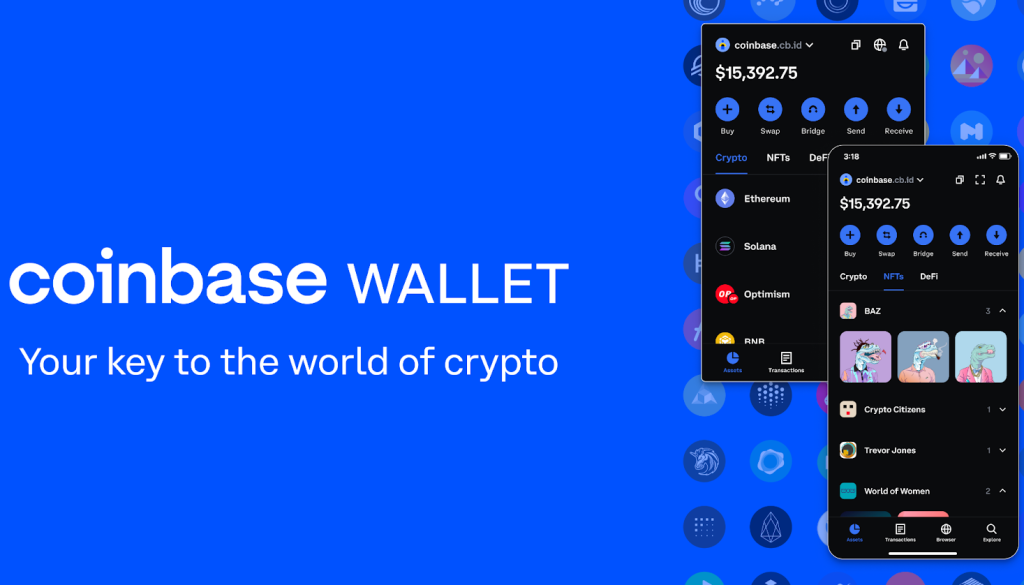
Coinbase Wallet differs completely from the Coinbase exchange. The wallet is non-custodial. You own your keys. The exchange holds customer funds. Overseas workers confused by this lose money sending it to the wrong addresses.
The wallet supports 8+ major cryptocurrencies plus thousands of tokens. Direct fiat on-ramps through Apple Pay and Google Pay make buying easy. Security scores highest among major wallets based on independent audits.
Integration with the Coinbase exchange helps overseas workers who want a simple fiat conversion. Transfer from wallet to exchange when ready to cash out. Lower fees than sending directly to local banks in many countries.
What Features Work Best?
Crypto wallets offer features like multi-chain support and built-in exchanges that streamline remittances, reduce fees, and maximize transfers. Here’s a quick look at the key features that make these wallets ideal for overseas workers.
Multi-Chain Support Saves Money
Overseas workers sending to different countries need different blockchains. Philippines recipients prefer local exchanges supporting Ethereum. Nigerian families use Bitcoin more. Latin America relies heavily on Polygon for cheap transactions.
Switching wallets for each transfer wastes time and money. Trust Wallet and Exodus support 70-100+ chains natively. No manual network setup required.
Built-In Exchange Reduces Steps
Moving crypto between wallets and exchanges creates problems. Wrong addresses lose funds permanently. Multiple transfers multiply fees.
Wallets with integrated swaps solve this. Convert wages to USDT inside Trust Wallet. Swap to the local currency pair seconds before sending. One transaction instead of three.
Staking Generates Extra Income
Overseas workers holding crypto between paydays can earn passive rewards. Trust Wallet, Exodus, and Coinbase Wallet all support staking various assets.
Stake USDC at 4-6% annual returns. Stake Ethereum at 3-5%. Small amounts compound over months into meaningful extra money for families back home.
How Do Hardware Wallets Fit In?
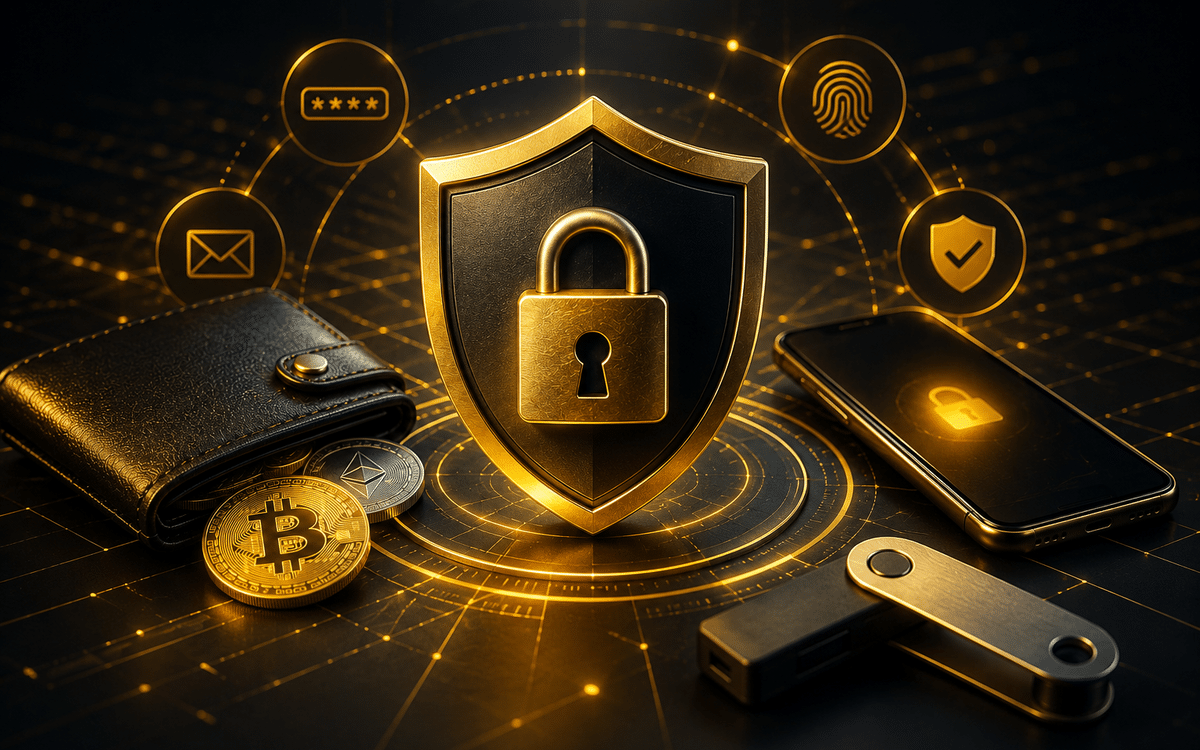
Hardware wallets like Ledger and Trezor cost 50-200 dollars upfront but protect lifetime savings. Overseas workers accumulating wealth in crypto need cold storage.
Hot wallets connect to the internet constantly. If your phone gets stolen or hacked, your crypto could vanish. Hardware wallets keep private keys completely offline.
The workflow works smoothly. Receive wages in MetaMask or Trust Wallet hot wallet. Transfer immediately needed amounts home. Move remaining savings to Ledger monthly. Hot wallet for daily use, hardware for long-term storage.
What About Fees and Speed?
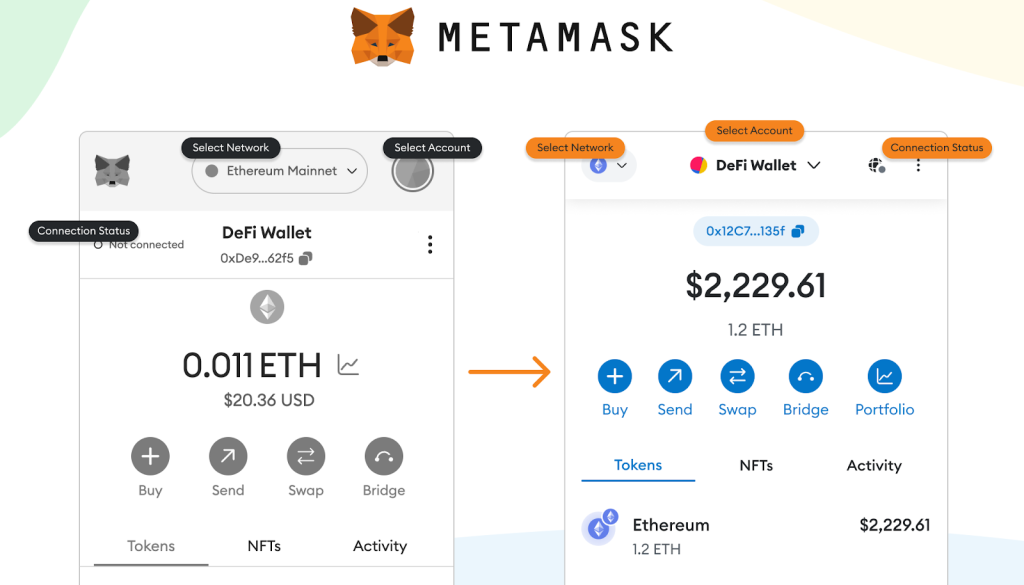
Platform fees vary dramatically. MetaMask charges 0.3-0.875% on swaps depending on routing complexity. Trust Wallet charges zero wallet fees. You pay only blockchain gas costs.
Gas fees themselves fluctuate wildly. Ethereum mainnet costs 5-50 dollars during congestion. Polygon or Binance Smart Chain costs cents. Overseas workers should learn which networks their recipients’ local exchanges support.
Speed rarely creates problems. Most transfers are completed within minutes. Ethereum takes 12-15 minutes. Bitcoin needs 30-60 minutes. Compared to 3-5 day bank transfers, all options feel instant.
Which Wallet Fits Your Situation?
New to crypto? Start with Trust Wallet or Exodus. Both explain features clearly and handle mistakes gracefully.
Already comfortable? MetaMask gives maximum flexibility and the lowest fees through direct DEX access.
Sending large amounts? Coinbase Wallet’s higher security scores and insurance backing provide peace of mind.
Building savings? Buy a Ledger hardware wallet and pair it with MetaMask for the best of both worlds.
The crypto remittance market reached nearly 3 trillion dollars by 2025. That growth came largely from overseas workers discovering better options. Traditional remittance companies charged too much for too long.
Overseas workers don’t need banking permission to use crypto wallets. They don’t need physical branches nearby. Just a phone and determination to keep more of their hard-earned money reaching family where it belongs.