Key Takeaways:
- XRP crypto is a digital asset built specifically for cross-border payment settlement, not general-purpose computing like Ethereum.
- Transactions on the XRP Ledger settle in 3 to 5 seconds and cost a fraction of a cent, making it practical for high-volume financial use.
- Banks and payment companies use XRP through Ripple’s On-Demand Liquidity product to settle international transfers without pre-funded accounts.
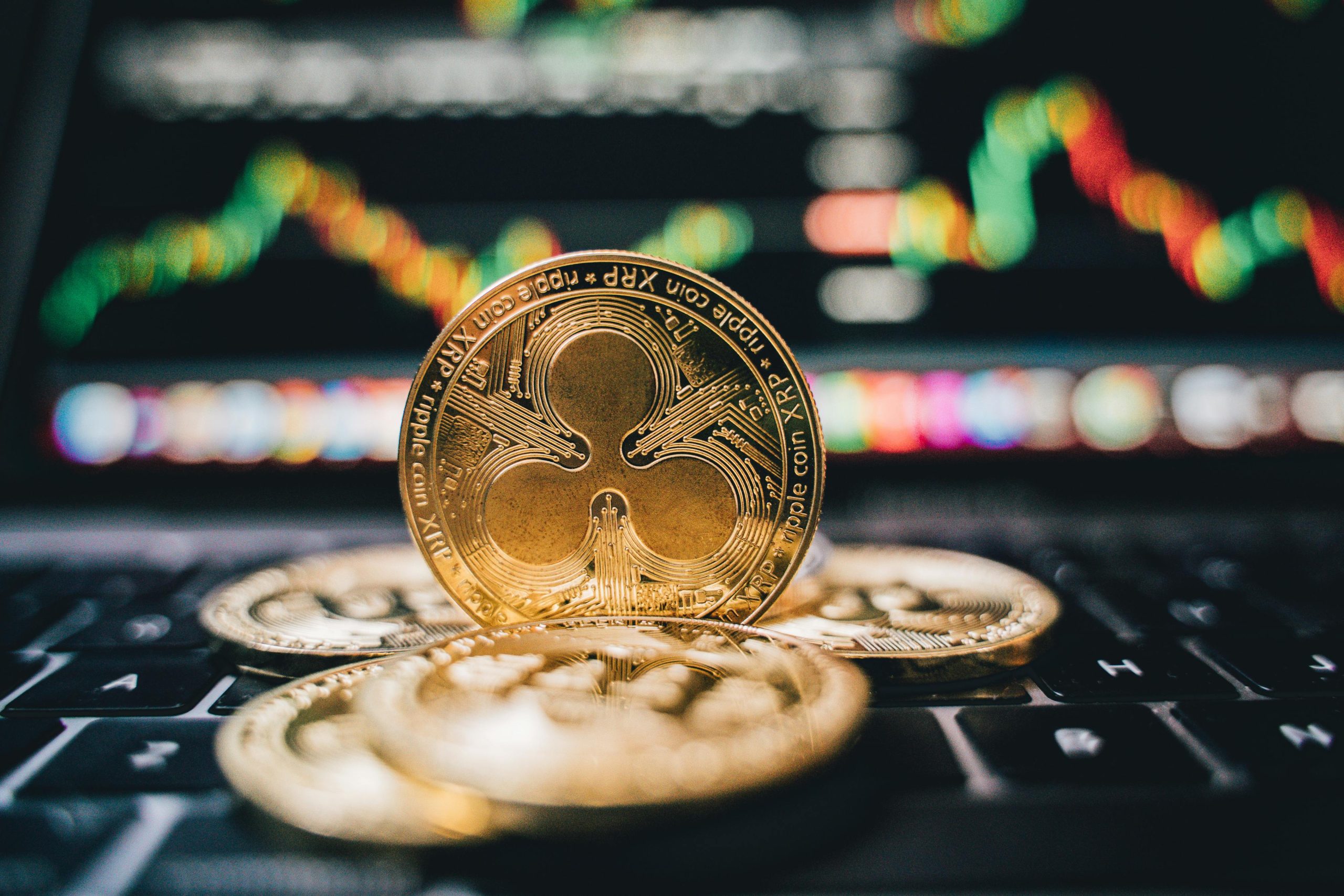
XRP gets lumped in with Bitcoin and Ethereum in most crypto conversations, but it was built for a completely different purpose. Bitcoin was designed as digital money. Ethereum was designed as a programmable blockchain. XRP was designed to move value between currencies quickly and cheaply at scale. That specific focus is why financial institutions are using it and why it holds a unique position in the crypto market.
Here’s a clear explanation of what XRP actually is, how the technology works, and why banks find it useful.
What Is XRP Crypto and How Does It Differ From Bitcoin?
XRP is a digital asset that runs on the XRP Ledger, an open-source blockchain created by Ripple Labs in 2012. Unlike Bitcoin, which uses proof-of-work mining to validate transactions, the XRP Ledger uses a consensus protocol. A network of trusted validators reaches agreement on transaction validity without mining, which allows it to process transactions in seconds rather than minutes.
Bitcoin produces a new block roughly every 10 minutes and handles around 7 transactions per second. The XRP Ledger finalizes transactions in 3 to 5 seconds and processes over 1,500 transactions per second. Transaction fees on the XRP Ledger average a fraction of a cent, compared to Bitcoin fees that can spike to several dollars during high-demand periods.
These differences reflect the specific design goals of each network. Bitcoin prioritizes decentralization and security for store-of-value use. The XRP Ledger prioritizes speed and low cost for payment settlement.
Who Created XRP and How Is It Distributed?
Ripple Labs created XRP and pre-mined all 100 billion tokens at launch. This differs fundamentally from Bitcoin, where new coins enter circulation through mining over time. Ripple holds a significant portion of XRP in escrow accounts, releasing a capped amount into the market each month.
This supply structure draws criticism from some crypto purists who argue it makes XRP more centralized. Ripple counters that the escrow arrangement is transparent and that XRP Ledger validators operate independently of Ripple Labs.
How Does XRP Work in Cross-Border Payments?
Traditional international bank transfers rely on a network of correspondent banks, each holding pre-funded accounts in foreign currencies. A payment from the US to Japan might pass through two or three intermediary banks before arriving, taking 1 to 5 business days and incurring fees at each step.
XRP eliminates most of that friction. Through Ripple’s On-Demand Liquidity (ODL) product, a payment provider converts US dollars into XRP, sends XRP across the XRP Ledger in seconds, and converts it to Japanese yen at the destination. The entire process completes in under a minute.
What Is the XRP Ledger’s Role?
The XRP Ledger is the open-source network that processes XRP transactions. Anyone can run a validator node or use the ledger for payments. Ripple Labs is a major contributor to the ledger’s development but does not control it. This distinction matters legally because it supports the argument that XRP is a utility asset rather than a security tied to Ripple’s management efforts.
Why Do Banks Use XRP Instead of SWIFT?
SWIFT doesn’t actually move money. It sends payment instructions between banks that then settle through correspondent relationships. That process is slow and expensive because of the pre-funded account requirements at each intermediary.
XRP-based settlement removes the pre-funding requirement. A bank using Ripple’s ODL product doesn’t need to park capital in foreign currency accounts around the world. Instead, XRP serves as a real-time bridge between currencies, freeing up working capital and reducing settlement risk. Ripple has signed agreements with banks and payment companies across Southeast Asia, the Middle East, Latin America, and parts of Europe.
How Do You Buy and Store XRP?
XRP is one of the most widely available cryptocurrencies on major exchanges. You can buy it on Coinbase, Kraken, Binance, Bybit, and Gate.io with straightforward onboarding and good liquidity across trading pairs.
For storage, hardware wallets provide the safest option for long-term XRP holders. Ledger and Trezor both support XRP in cold storage. Tangem offers a compact card-style option that also works with XRP. This guide on top cryptocurrency wallets covers the full range of wallet options in more detail.
Frequently Asked Questions
What Is XRP Used For?
XRP is primarily used as a bridge currency for cross-border payment settlement through Ripple’s On-Demand Liquidity product. Financial institutions use it to move value between currencies quickly without pre-funded correspondent accounts.
Is XRP the Same as Ripple?
No. Ripple Labs is the company that created XRP and develops the RippleNet payment network. XRP is the digital asset that runs on the open-source XRP Ledger. Ripple uses XRP in its products, but the two are separate entities.
How Fast Does XRP Settle Transactions?
XRP Ledger transactions finalize in 3 to 5 seconds. This makes it significantly faster than Bitcoin, which takes around 10 minutes per block, and traditional international wire transfers, which can take 1 to 5 business days.
Is XRP a Good Investment in 2026?
XRP’s investment case rests on its growing payment adoption, improving regulatory clarity after the SEC legal case, and potential ETF approval. As with any crypto asset, it carries significant price volatility and risk. Research thoroughly and consider your own financial situation before investing.