Key Takeaways
- Iran’s $7B crypto economy fund targets blockchain infrastructure development and sanctions evasion
- The fund will support cryptocurrency mining operations using subsidized energy from oil and gas production
- Iranian officials plan to use digital assets for international trade settlements outside SWIFT banking
- The country has legalized crypto mining while banning domestic trading to prevent capital flight
- Security concerns arise as sanctioned nations increasingly adopt cryptocurrency for financial operations
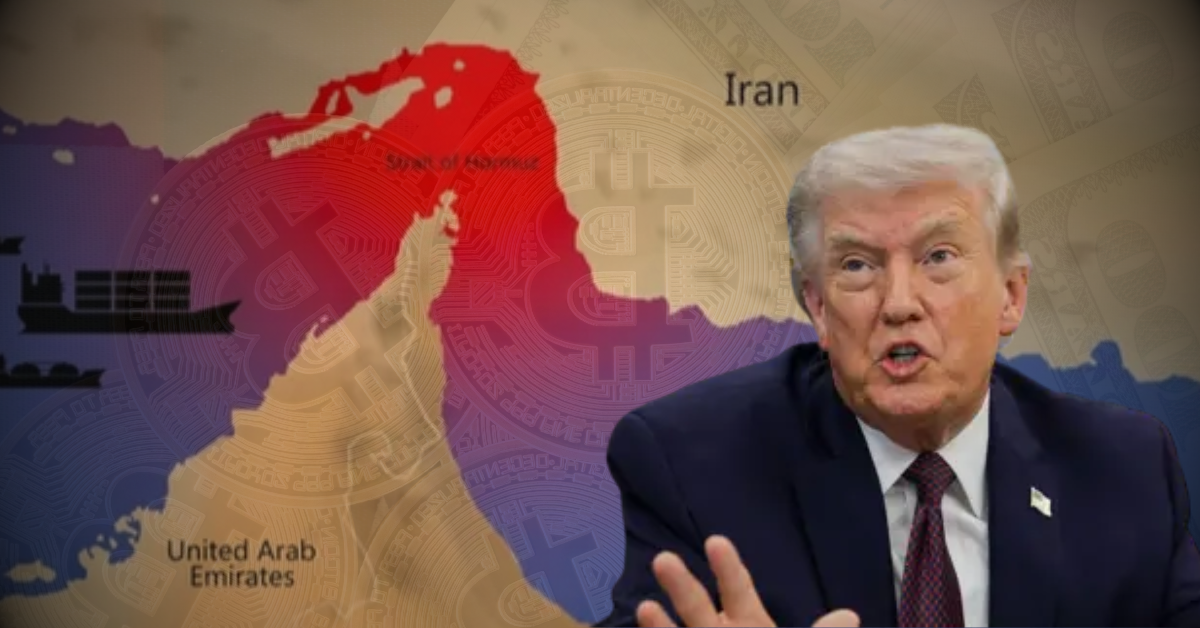
Iran has established a $7 billion crypto economy fund to develop its digital asset infrastructure and circumvent international sanctions that have isolated the country from global financial systems. The fund represents one of the largest state-backed cryptocurrency initiatives globally and signals Iran’s strategic pivot toward blockchain technology as an economic lifeline.
The Islamic Republic faces severe restrictions on accessing traditional banking networks following years of U.S. and European sanctions. These limitations have pushed Iranian officials to explore cryptocurrency as an alternative mechanism for international trade, particularly in the oil and gas sectors that generate the country’s primary export revenues.
How Will Iran’s $7B Crypto Economy Fund Operate?
The fund structure combines government backing with private sector participation to accelerate cryptocurrency adoption across multiple sectors. Iranian authorities allocated the initial capital from national reserves and state-owned enterprises tied to energy production.
Officials stated the fund will prioritize three core areas of development. Cryptocurrency mining infrastructure receives the largest allocation. The country’s abundant natural gas reserves provide cheap electricity that makes mining operations economically viable. Iran ranks among the top global Bitcoin mining locations despite international isolation.
Blockchain technology research and development forms the second pillar. The fund will finance projects developing payment systems, smart contract platforms, and digital identity solutions. These initiatives aim to create alternatives to Western-controlled financial technology that currently dominates global commerce.
International trade settlement infrastructure represents the third focus area. Iran’s $7B crypto economy fund will establish mechanisms for settling oil exports and importing goods using cryptocurrency instead of traditional currencies. This addresses the country’s inability to access dollar-based banking systems.
Why Does Iran Need a Crypto Economy Fund?
International sanctions have created severe economic pressure that drove Iranian policymakers toward cryptocurrency solutions. Understanding these motivations reveals why sanctioned nations increasingly view digital assets as strategic tools.
Banking System Isolation
The U.S. removed Iran from the SWIFT international banking network in 2018 following the nuclear deal withdrawal. This disconnection prevents Iranian banks from processing cross-border transactions through conventional channels. Companies wanting to trade with Iran face significant obstacles transferring payments.
Cryptocurrency offers potential workarounds for these restrictions. Digital assets move across borders without requiring traditional banking infrastructure. Iranian officials believe this characteristic enables continued international commerce despite sanctions.
Energy Resource Monetization
Iran possesses the world’s second-largest natural gas reserves and fourth-largest proven oil reserves. Sanctions prevent the country from selling these resources through normal channels. The crypto economy fund creates new monetization pathways.
Mining cryptocurrency converts Iran’s energy surplus into digital assets that can be traded internationally. Here’s how the process works:
- State-owned power plants generate electricity from natural gas
- Licensed mining operations consume this power at subsidized rates
- Miners produce Bitcoin and other cryptocurrencies
- Iran’s central bank can use these digital assets for international settlements
- Trading partners receive cryptocurrency instead of sanctioned Iranian currency
Capital Flight Prevention
Iran’s domestic economy suffers from high inflation and currency devaluation. Citizens historically moved savings into foreign currencies or gold to preserve value. Cryptocurrency presented a new avenue for capital to leave the country.
The government banned domestic cryptocurrency trading while legalizing mining to address this contradiction. Iran’s $7B crypto economy fund operates within this framework. Citizens cannot legally buy crypto inside Iran, but the state actively mines and accumulates digital assets for external use.
What Are the Strategic Implications for Global Markets?
Iran’s cryptocurrency adoption creates ripples beyond its borders that affect international security and financial market dynamics. The $7 billion commitment represents a significant bet on blockchain technology by a major oil producer.
Sanctions Effectiveness Questions
Traditional financial sanctions rely on controlling access to banking systems. Cryptocurrency potentially undermines this enforcement mechanism. If Iran successfully uses digital assets to conduct international trade, other sanctioned nations will likely follow similar strategies.
North Korea has already demonstrated cryptocurrency’s utility for sanctions evasion. The country operates sophisticated hacking operations targeting crypto exchanges to steal digital assets. Iran’s approach differs by building legitimate mining infrastructure rather than relying on theft.
Energy Market Dynamics
Iran’s $7B crypto economy fund connects oil and gas markets to cryptocurrency in unprecedented ways. The country can effectively convert energy resources into Bitcoin through mining operations. This creates a new type of commodity-backed digital asset flow.
Other energy-rich nations facing sanctions or seeking alternative revenue streams may replicate this model. Venezuela and Russia have both explored cryptocurrency for similar purposes. The intersection of energy production and digital asset mining could reshape how sanctioned economies operate.
Regulatory Response Patterns
Western governments face difficult choices responding to state-sponsored cryptocurrency adoption by adversarial nations. Overly broad regulations risk pushing innovation offshore while targeted measures prove difficult to enforce.
The U.S. Treasury has sanctioned specific Iranian cryptocurrency addresses tied to money laundering operations. However, blockchain’s pseudonymous nature makes comprehensive tracking challenging. Iran’s $7B crypto economy fund likely includes sophisticated operational security to minimize detection.
How Does Iran’s Approach Compare to Other Nations?
Several countries have explored state-backed cryptocurrency initiatives with varying degrees of success. Iran’s fund stands out for its scale and strategic necessity driven by sanctions pressure.
Venezuela’s Petro Experiment
Venezuela launched the Petro cryptocurrency in 2018, claiming it was backed by oil reserves. The project largely failed due to technical problems, lack of international adoption, and credibility issues. Iran appears to be learning from Venezuela’s mistakes by focusing on Bitcoin mining rather than creating a new token.
The key difference lies in approach. Venezuela tried to create a new cryptocurrency and convince others to accept it. Iran uses established cryptocurrencies like Bitcoin that already have global liquidity and acceptance.
El Salvador’s Bitcoin Adoption
El Salvador made Bitcoin legal tender in 2021 and invested government funds in the cryptocurrency. The country’s motivations differ from Iran’s since El Salvador isn’t evading sanctions. However, both nations view cryptocurrency as economic development tools.
El Salvador’s experience shows the challenges of rapid cryptocurrency adoption. Technical implementation proved difficult and international financial institutions expressed skepticism. Iran faces similar obstacles but with the added complexity of operating under sanctions.
China’s Mining Ban and Iran’s Opportunity
China banned cryptocurrency mining in 2021, forcing miners to relocate globally. Iran actively recruited some of these displaced operations by offering cheap electricity and regulatory clarity. This created an opportunity that Iran’s $7B crypto economy fund capitalizes on.
The country issued over 1,000 licenses to crypto mining operations. These facilities consume approximately 600 megawatts of electricity during peak periods. The scale positions Iran as a major player in global Bitcoin mining despite international isolation.
Frequently Asked Questions
What is Iran’s $7B crypto economy fund designed to accomplish?
Iran’s $7B crypto economy fund aims to develop cryptocurrency mining infrastructure, blockchain research, and international trade settlement systems that bypass traditional banking sanctions.
Why does Iran need cryptocurrency for international trade?
Iran was removed from the SWIFT banking network due to sanctions. Cryptocurrency provides an alternative mechanism for settling international transactions without requiring access to Western-controlled financial systems.
How does Iran convert oil resources into cryptocurrency?
Iran uses natural gas to generate cheap electricity for cryptocurrency mining operations. Licensed miners produce Bitcoin and other digital assets that can be used for international trade settlements.
Is Iran’s approach to cryptocurrency legal under international law?
Iran’s domestic cryptocurrency activities aren’t illegal internationally, though using crypto to evade sanctions violates U.S. and European restrictions. Enforcement remains challenging due to blockchain’s decentralized nature.
What other countries are following similar cryptocurrency strategies?
North Korea, Venezuela, and Russia have all explored cryptocurrency for sanctions evasion or alternative revenue generation. Iran’s $7B fund represents one of the largest state-backed initiatives.