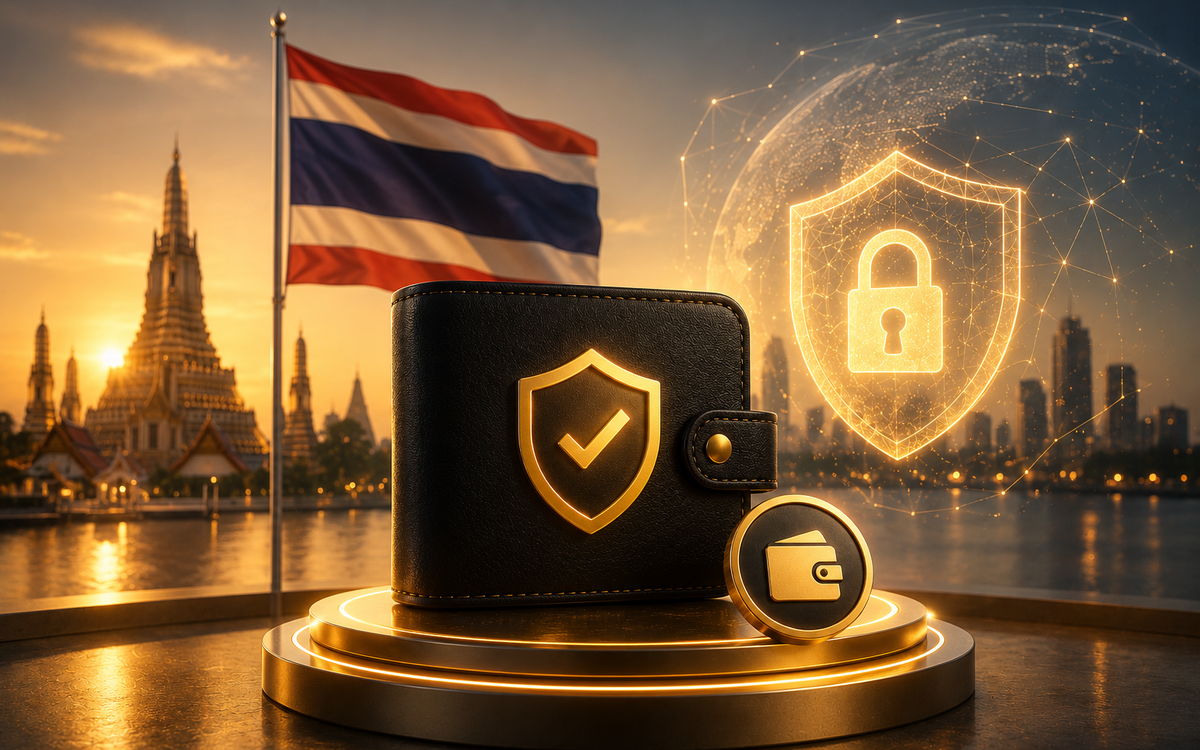
Thailand will require licensed digital asset platforms to verify users’ control of self-custodial wallets under new crypto transfer rules taking effect in February 2027.
The Securities and Exchange Commission (SEC) finalized its Travel Rule for Digital Assets on Sept. 2. The framework requires digital asset businesses to collect and share information about crypto transfers and the parties involved, and to verify ownership or control of the self-hosted wallets involved in transfers.
The rules will take effect on Feb. 27, 2027, giving licensed digital asset operators time to prepare systems for information sharing, transaction monitoring and wallet verification.
What Thailand’s New Travel Rule Requires
The new framework sets four main requirements for digital asset operators.
| Requirement | Details |
| Customer information | Collect information about customers and counterparties |
| Counterparty checks | Verify counterparties, VASPs and relevant intermediaries |
| Self-custody checks | Verify ownership or control of self-hosted wallets |
| Recordkeeping | Retain transaction information for at least five years |
Table 1. Key Requirements Under Thailand’s Crypto Travel Rule
Operators must establish policies and procedures for managing risks related to digital asset transfers. They must collect information on customers and counterparties, conduct due diligence, and verify the qualifications of relevant digital asset service providers.
For transfers between regulated digital asset operators, the platform initiating the transaction must send the receiving operator information about the originator and beneficiary. Transaction information must also be retained for at least five years in a form that allows the SEC to retrieve or examine it.
Self-Custody Wallets Will Need Verification
The framework specifically covers self-hosted wallets, where users maintain control of their own digital assets. Digital asset operators must verify ownership or control of a self-hosted wallet when transferring digital assets to or receiving them from the wallet. This requirement applies to regulated platforms that handle these transfers.
The rules do not ban self-custody. Users can continue holding digital assets in wallets they control directly, but regulated platforms must complete additional checks when those wallets are involved in covered transfers.
Thailand Finalized the Rules After Two Consultations
The SEC held two public consultations before issuing the final requirements. The first consultation on the proposed Travel Rule principles began in March 2026. The regulator later opened a second consultation on the draft notification in June, with the hearing period ending in July.
The final notification is dated Aug. 25, 2026, while the SEC announced the completed framework on Sept. 2. The rules will not take effect until February 2027.
Thailand Travel Rule Timeline
The rules require information sharing, counterparty checks, and verification of self-hosted wallets.
| Date | Development |
| 10 to 25 March 2026 | Thai SEC consults on proposed principles for the Travel Rule for digital-asset transfers. |
| 26 June to 10 July 2026 | Thai SEC consults on the draft Travel Rule notification. |
| 25 August 2026 | Related SEC notification dated; verify and provide the exact notification title and number. |
| 1 September 2026 | Thai SEC finalizes or issues the Travel Rule notification. |
| 27 February 2027 | The Travel Rule requirements take effect. |
Table 2. Thailand’s Crypto Travel Rule Timeline
Thailand Aligns With Global Crypto Compliance Rules
Thailand’s Travel Rule follows a broader effort to apply anti-money laundering requirements to digital asset transfers.
The Financial Action Task Force (FATF) has called for virtual asset service providers to implement Travel Rule requirements. Thailand’s SEC said the new framework will strengthen anti-money laundering measures and help prevent digital asset businesses from being used for money laundering, terrorist financing and technology-related crimes.
The SEC also said the rules are intended to align Thailand’s digital asset regulations with international standards.
Thailand Continues to Expand Its Crypto Market
The Travel Rule comes as Thailand considers additional changes to its regulated digital asset market.
In August, the SEC opened a consultation on proposed rules for crypto ETFs and changes to requirements for foreign digital asset custodians serving funds that invest in digital assets. The proposed crypto ETFs would initially cover Bitcoin and Ethereum, and each fund would be required to maintain an average net exposure of at least 80% to a single crypto asset.
The SEC also opened a consultation on proposed changes that would allow intermediaries to facilitate client investments in certain digital asset derivatives traded overseas.
What Comes Next
Thailand’s licensed digital asset operators have until Feb. 27, 2027, to implement the Travel Rule. Platforms will need systems to collect and transmit transaction information, check counterparties, and verify control of self-hosted wallets.
For users, the main change will be additional verification when moving digital assets between regulated Thai platforms and self-custodial wallets. Self-custody will remain available.
What this means for you: If you use a self-custodial wallet in Thailand, you can continue controlling your own crypto. From Feb. 27, 2027, regulated platforms may require you to verify control of the wallet before processing covered transfers.